
The Story of Denimhunters: 15 Years of Guiding You on Raw Denim and Well-Made Menswear
I grew up in a part of Denmark with wide open spaces but very low ceilings. And I never quite fit in. Looking back, I can see the same pattern underneath almost every decision I’ve made running this site: I reach a ceiling, break through it, and somewhere on the other side, a new one is waiting.
Denimhunters is where I help people understand jeans, menswear, and the products that are actually worth wearing. People occasionally ask how it all began. This piece tells that story, with a short timeline first, then the reasons underneath it: why the site exists, and why it looks the way it does.

TL;DR – The Short Version of the Long Detour
A look back at fifteen years of running Denimhunters, told through a series of “why” questions—why I do things the way I do, why the writing was never for sale, why it took this long to earn revenue, and what that all has to do with where I grew up and where I live now.
Where to Start with Raw Denim
This is a series of guides for anyone getting started with raw denim and Denimhunters, covering how to find your denim style, what to actually buy, how to take care of it all, and why this site exists.
- New to Raw Denim: Start Here
- Denim Style: Finding Your Lane
- Build Your Raw Denim Wardrobe
- Learn How to Look After Your Wardrobe
- Why Denimhunters Looks the Way It Does (this essay)
Get Denimhunters in Your Inbox Every Friday
The DH Weekly is my Friday column on raw denim and heritage menswear—new guides, product picks, restocks, and the story behind it all.
Fifteen Years of Denimhunters—The Key Milestones
This is the short, chronological version of how Denimhunters went from a passion project with no business plan to the site you’re reading now:
2011 – Denimhunters launches in Danish.
2015 – A partnership ends. The site is rebuilt from scratch.
2016 – My first book, Blue Blooded, is published by Gestalten.
2019 – I launch the Denim & Boots Podcast.

2020 – Bryan Szabo and I begin building what becomes the Well-Made Essentials series.
2021 – A full-time job and an existential crisis during COVID, and I nearly hand over the site.
2022 – Rebel’s Wardrobe, my second book, is published.
2025 – I launch Weirloom, my own jeans brand.
These are the key milestones. The full timeline lives in the DH Weekly. But dates are only the surface—the real story is why it developed the way it did.
Why I Never Trust My Own First Answer
The site’s obsession with explaining the “why,” not just the “what,” traces back to some bad advice I gave with total confidence.
That’s also why every section here starts with why, not what. I picked that up from Simon Sinek years ago, then used it with consulting clients and with Weirloom long before I thought to turn it back on myself.
I moved out in the autumn of 2004, right after I’d turned 18. Three years later, I started my bachelor’s in Aarhus. I knew the manager of the menswear floor of the city’s department store, and he gave me a part-time job. By 2008, I’d landed a job at what was the hippest menswear shop in the city—we carried A.P.C., Edwin, even the first Indigofera collection. I stayed there until 2010, the rest of my degree.

Explaining selvedge and raw denim to customers, I would tell them to wait six months before washing their jeans. To put them in the freezer. Confidently and completely wrong—but we didn’t know any better then.
That shop was also my actual way into the industry—the foothold everything since has grown out of. My manager started bringing me to trade shows. The owner became my first mentor—one of the first people I called years later, when I started Weirloom.
That explains why Denimhunters became so focused on explanation. But it doesn’t explain why I started so quietly, in Danish, instead of just launching the thing properly in English from the beginning.
Why I Soft-Launch Everything
I’ve always built the site in small, incremental steps rather than big bets, to avoid making big mistakes.
I started the site in Danish. Partly because nothing about raw denim existed in my language yet—I was explaining this stuff to customers in Danish every day, and there was nowhere to point them. But also, honestly, because I didn’t have the courage yet to do it in English. Writing in Danish felt safer. Like dipping your toes before you make the plunge.
That’s not really a strategy, looking back. It’s just who I am. I test quietly before I commit loudly, because I don’t like being wrong in front of people, and a small, half-hidden first attempt is a lot less exposing than a confident one. Some people would call that slow. I’d call it the only way I know how to be brave.

I know this because of the one time I ignored it. In 2017, I built a paid video course, Denimhunters Academy. I did the right thing first—built a small MVP to test the idea. Then I didn’t wait for it to prove itself before committing to the full course. It barely broke even, mostly on goodwill. The one time I skipped dipping my toes in first is the one time it didn’t work.
Starting small helped me get going. But once the site started attracting contributors, partners, and bigger ambitions, staying small was no longer enough.
Why I Walked Away From Most of My Own Content
The site survived a breakup with two business partners because I was willing to lose almost all of the content rather than stay in something that wasn’t working.
There was no business plan in the early years. The plan was simply to build the best resource I possibly could—and I was lucky enough not to need money from it. Mostly, it was about the rush of telling stories. A magazine-style photoshoot at Wrenchmonkees’ garage. A booth at Bread & Butter in Berlin, twice, with nothing clear to even sell. Ten of us out for dinner in a beer garden, and I didn’t pick up the bill—because there was no revenue.
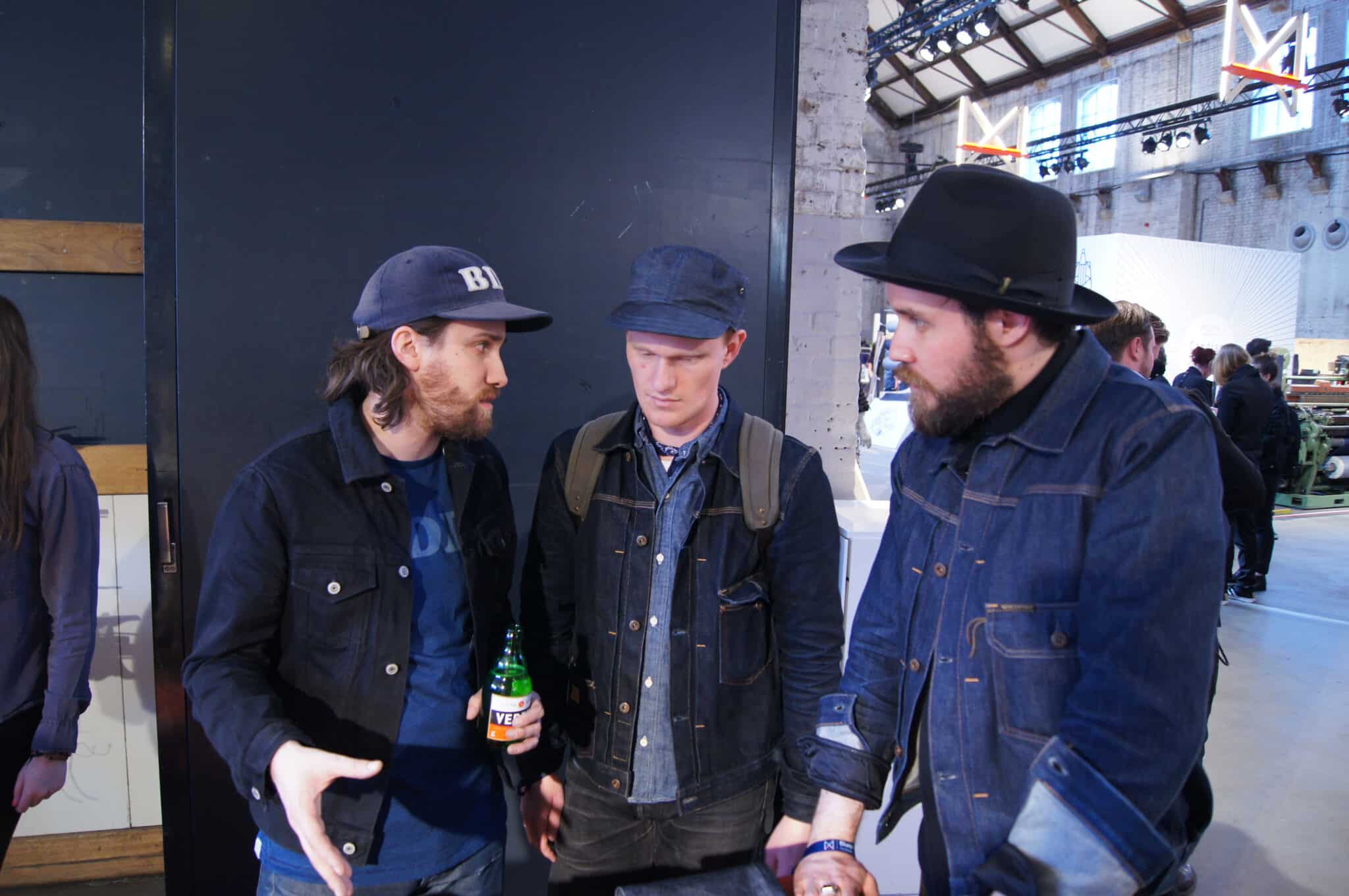
The most dedicated of those early contributors, Matt Wilson, eventually became a business partner, and we brought a third person in for the commercial side. A drop-shipping webshop. Things went wrong slowly—partly because I stayed in it longer than I should have. I’ll avoid a conflict for a long time before I start one.
I kept the name and the domain. They kept the consumer-facing content—the stuff that actually had traffic—and built that into what’s now Rope Dye. I rebuilt Denimhunters pretty much from scratch. That’s not a metaphor. It’s literally the founding story of the version of the site you’re reading now. Matt and I are close friends again today. He helps me with Weirloom.
That split explains why I became so protective of the site’s voice, ownership, and independence.
Why the Writing Was Never for Sale
The editorial voice has never had to bend for a sponsor because my income came from somewhere else entirely.
For ten years, until 2024, I freelanced as a denim consultant for BESTSELLER. That was my “real” job. The one that paid the mortgage. I’ve never hidden that I worked for a big commercial group—I was essentially headhunted, and they let me write my own job description. I kept it part-time on purpose, three days a week at most, because it bought me something more valuable than the salary: independence. The site never had to commercialise before I was ready, because something else was paying my bills.
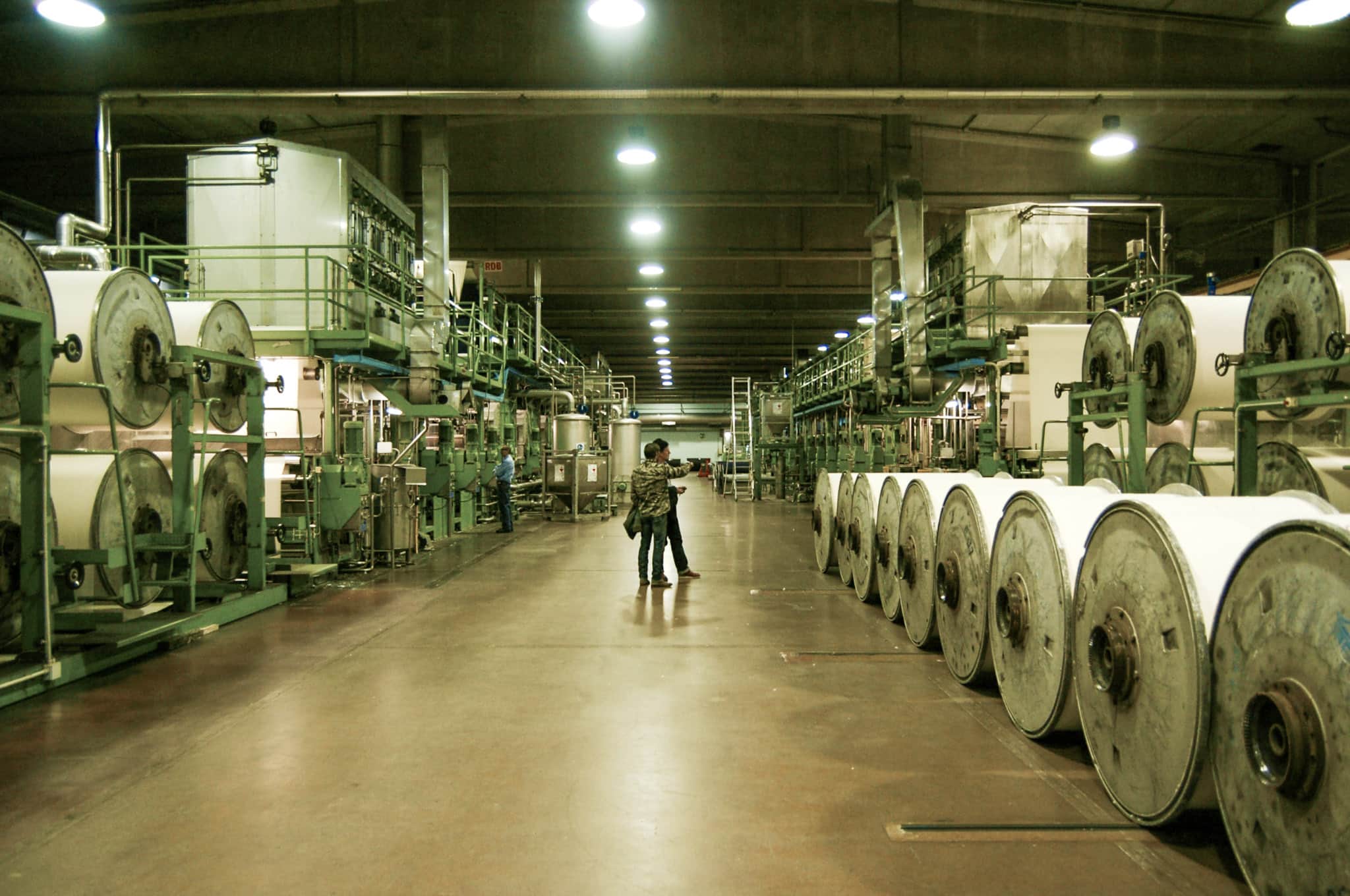
It also turned into more than just a paycheque. I learned a lot, visited mills and makers I’d never have accessed alone, and realised something: if I could push real denim knowledge from inside a company that big, even getting one in a thousand of their customers a little more curious would reach more people than I ever could through my own platform.
There’s a stretch of those years I’d genuinely forgotten about until I started writing this down. COVID had changed the rules for a while, so I took a full-time job in a completely different industry, certain by the second interview it wasn’t the right fit. I stayed fourteen months anyway, because I needed to.
I nearly gave away control of the site when I was exhausted and under pressure. My mentor, Brian, stopped me: “don’t hand over what you’ve spent a decade building.” Denimhunters is still 100% owned by me.
Why I Kept Looking for Ways to Make This Pay
While I never had a business plan at the start, I kept looking for ways to monetise the site. A drop-shipping webshop. A paid video course. Podcasts, books, special issues, buying guides.
One of my mentors has this idea he calls the four Fs: any project should hit at least three of four things—fun, finance, forward, fame. Looking back, that’s the honest pattern. Plenty of fun, forward, and fame. Not nearly enough finance, until affiliate.
The first book, Blue Blooded, came from a publisher reaching out the same week I’d sent my own proposal to someone else—pure coincidence, but also a sign I’d been ready for it long before I started the site.
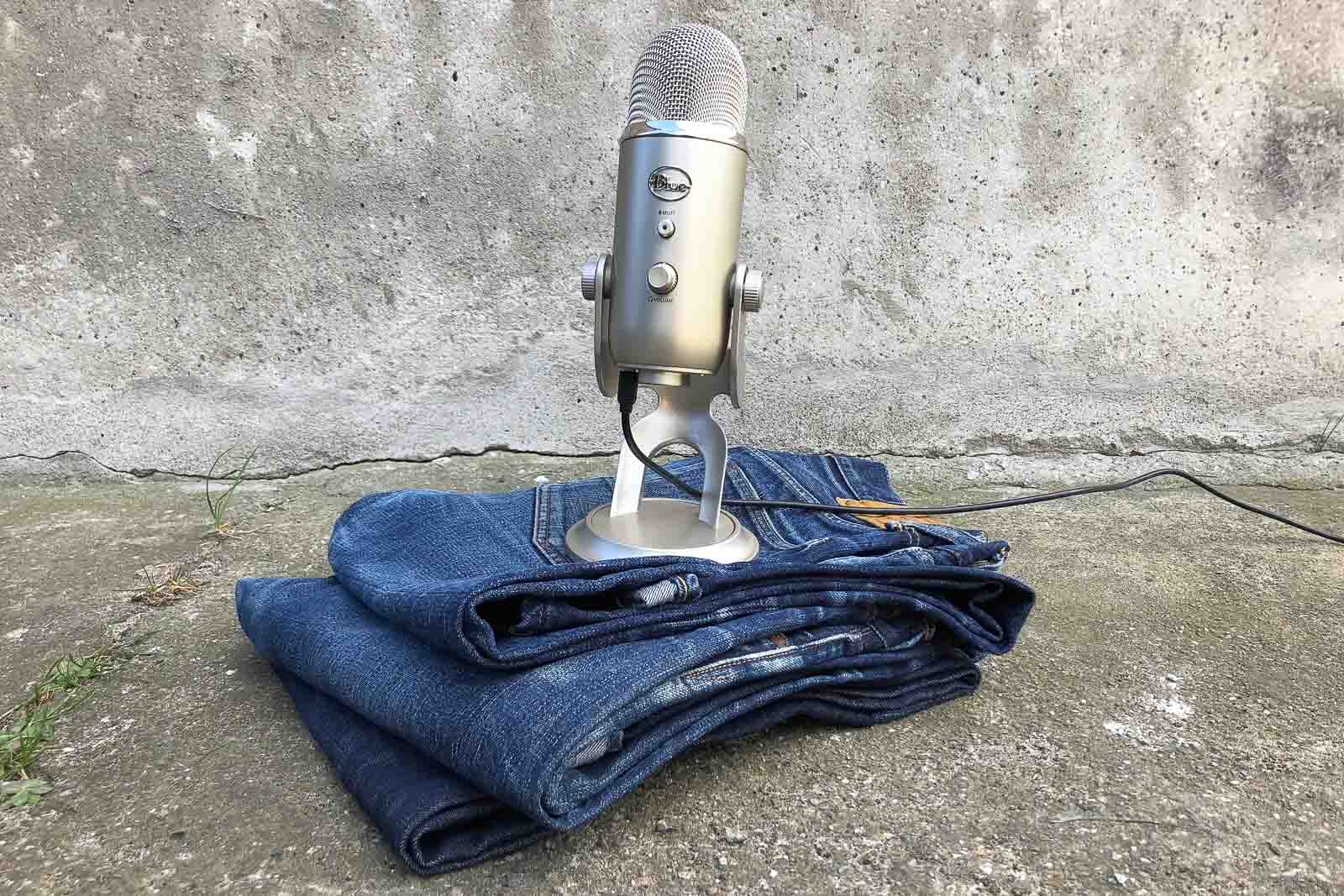
The first podcast, the Denim & Boots Podcast with Jake from @almostvintagestyle in LA, was fun to make and hard to keep alive. It was on the second podcast that I really got to know Bryan Szabo, who’d been guest blogging on the site since 2019.
Not long after, Bryan and I started building what became Well-Made Essentials—the actual foundation of how this site makes money today. Rebel’s Wardrobe, my second book, grew out of that work. And a special issue of the Heritage Post we put together in a couple of months earned us more than the book has to this day.
Years before any of this, Nick Coe had started the affiliate network I’m now part of—the same Nick Coe whose own site is, by most measures, my biggest competitor. We’ve always been friendly, and these days we work together.
He’s told me more than once that he wishes he’d built what Denimhunters has in terms of content and quality. I wish, just as honestly, that I had his instinct for the business side. It took working with a competitor’s network to finally make the commercial side of the site work the way the content always had.
By 2025, the site finally started looking like something I could actually live on. If it holds, by the end of this year, Denimhunters might generate the same monthly income as the corporate job I had during COVID. That’s the business version of the story: Denimhunters finally learning how to earn money without becoming something else.
Why I Keep Looking for the Next Ceiling to Break
I don’t think I’ve ever been satisfied with “good enough”—in any part of my life. I don’t avoid the next step. I just keep believing there’s a better version of where I’m standing.
My wife and I have moved a few times. The first apartment we owned, we loved—but it was too small once there were three of us. The first house we bought turned out to be what we in Danish call “a corpse with makeup on”: every flaw papered over rather than fixed, a roof that needed the better part of a million kroner, and a road too noisy to sit in the garden.

We bought our current house right before COVID. It’s modest, mid-century, more summerhouse than statement. It’s in a place for people who’ve arrived—successful, professional, happy. Nobody looks at you sideways for being different, or for having ambition, because the sky’s the limit here. Ironically, it has a rather low ceiling. Physically low. But for the first time, I’m not trying to break through it.
I don’t think I’m done finding ceilings. I think that’s just how I’m built.
But for the first time, the one over my actual head doesn’t feel like something to escape.
If anything, it keeps me grounded.
I feel like I’ve arrived.
Up Next: Find Your Denim Style
If you’re here because you want to understand raw denim, buy better jeans, or build a wardrobe that lasts, the style guide is the place to start.
Understand the Details That Matter
Hi, it’s Thomas, founder of Denimhunters. Every Friday, I send out my newsletter that goes deeper into denim—how jeans are made, why details matter, and how to make better choices without the noise.