
What to Buy Once You Know Your Denim Style
If you asked me to define my own denim style, I’d say my jeans lean Rebel, my sneakers bring a touch of Streetwear, but my heavy flannels are from the Outdoorsman camp. I guess it’s my own version of Minimalist running through all of it.
Most people are somewhere in between. You don’t need to pick one style and commit to it like a uniform. What you do need is to make sure that the pieces you buy actually work together—that your jeans, your shirts, your jackets, and your boots are all pointing roughly the same direction.

This guide builds on the denim style guide, which maps out the different directions raw denim can take. Now, we turn that direction into a wardrobe: what to buy first, what to add next, and what to leave until you know what you actually need.
TL;DR – Build in Stages, Not All at Once
Start with the pieces that shape everything else—jeans, footwear, base layers. Build the middle with shirts, jackets, knitwear, outerwear and other trousers. Add details once the wardrobe has shape. Your style direction should guide the choices at every stage. You don’t need everything at once.
Where to Start with Raw Denim
Once you know your style, this is the next step. This series covers everything you need to get started with raw denim and Denimhunters.
- New to Raw Denim: Start Here
- Denim Style: Find Your Lane
- Build Your Raw Denim Wardrobe (this guide)
- Learn How to Look After Your Wardrobe
- Why Denimhunters Looks the Way It Does
Get Denimhunters in Your Inbox Every Friday
The DH Weekly is my Friday column on raw denim and heritage menswear—buying guides, product picks, restocks, and everything worth knowing each week.
THE FOUNDATION
A denim wardrobe starts with jeans. That’s the whole point. But the foundation is really three things: the jeans, the footwear, and your base layers.
These are the pieces you wear together constantly, and they need to work as a unit. Your style direction shapes all three. Get these right and everything you add later has something solid to work with.
Raw Denim, Selvedge Jeans
Get the fit right and the rest of the wardrobe becomes much easier to build. Get it wrong and nothing you put on top of them quite works.
Fit comes down to three decisions: how close the fabric sits to the leg, the shape of the leg, and the rise. In other words: slim, regular, or loose; straight, tapered, or flared; low, mid, or high rise. Your style direction should help you decide which combination makes sense.
Rebel style usually leans slim-to-regular, straight or slightly tapered. Workwear needs more room, often with a higher rise. Minimalist favours cleaner lines and slimmer cuts. Cowboy sits best in a regular straight or slightly flared leg. Streetwear can go looser, where proportion matters more than denim correctness.
The most useful advice is also the least romantic: don’t trust the size label. Waist measurements vary wildly between brands. Measure a pair you already own and like, compare actual garment measurements, and remember that the waist may give a little with wear.
On weight: don’t start with the heaviest option just because it sounds more authentic. For most people, the better first move is a midweight pair that fits properly and actually gets worn.
Not sure where to start with jeans? These guides will help you:
→ Jeans Fit Guide – Start here if you’re unsure about rise, leg shape, body type, or how to measure a pair you already own.
→ Best Raw Denim Brands – Use this once you know the kind of fit and style you’re looking for.
→ Lightweight Selvedge Jeans – A better place to start if you run warm, live somewhere hot, or want an easier break-in.
→ Heavyweight Selvedge Jeans – Useful once you know you actually like heavier denim.
Boots and Sneakers
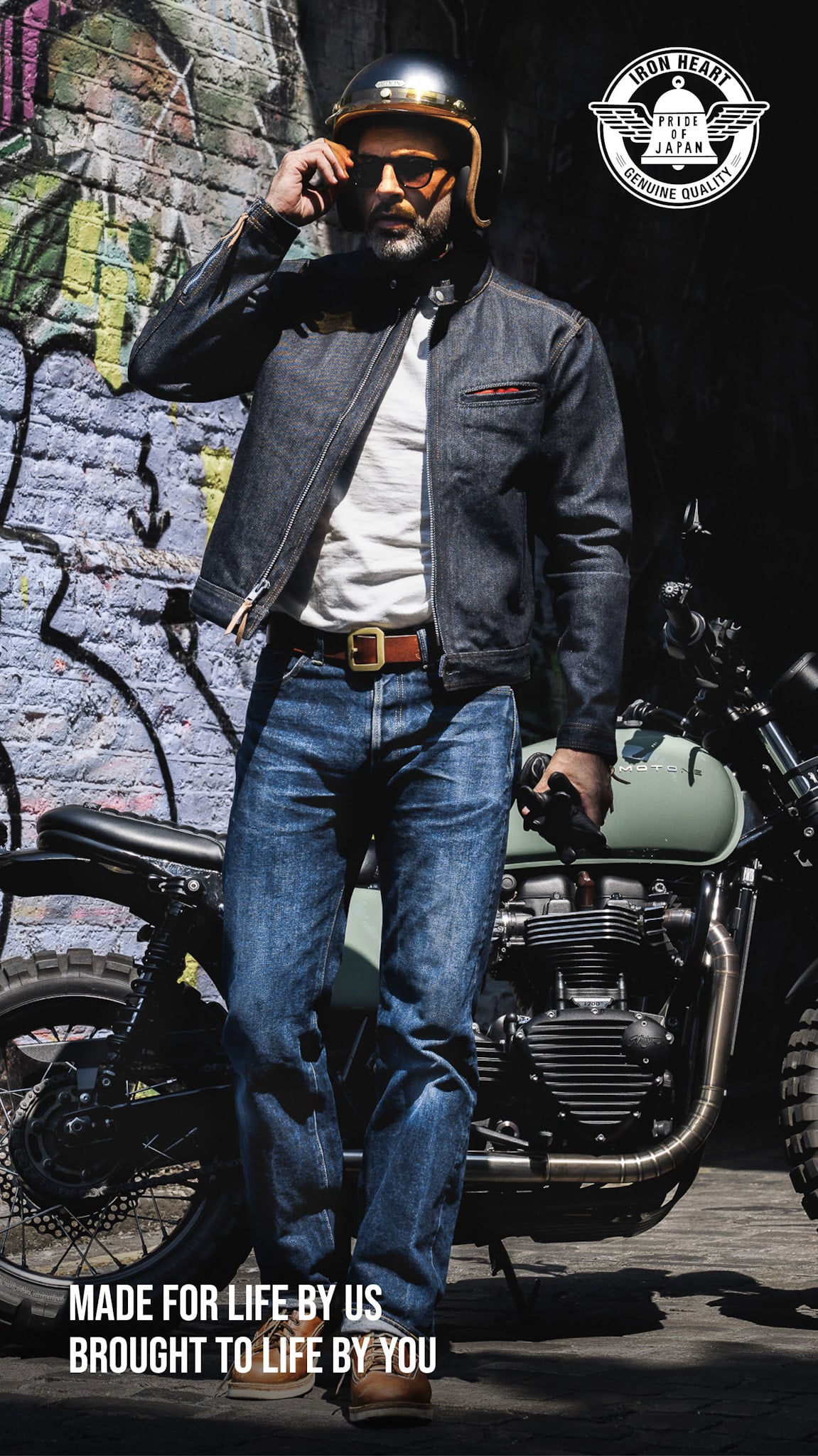
After jeans, footwear does the most to shape the whole wardrobe. The same pair of straight-leg jeans can look rugged with moc toes, sharper with engineer boots, or more relaxed with sneakers. Footwear decides how the jeans fall, whether you cuff them, and what the rest of the outfit is allowed to become.
If your direction leans Workwear or Outdoorsman style, a proper lace-up boot is usually the safest starting point. Red Wing’s Iron Ranger and Moc Toe sit near the entrance to that world for a reason. If you lean Rebel, engineer boots are the obvious move—but they’re expensive, specific, and not neutral. Buy them when you know the direction, not because they look good on someone else’s faded jeans.
Sneakers make most sense when your direction leans Streetwear, Minimalist, or Dad. Proportion is the rule: loose jeans need sneakers with enough volume not to disappear under the hem; straight-leg jeans are easier to pair. Cowboy directions usually call for ropers or western boots rather than the work boots in our main boot guide.
Start with the footwear you know you’ll actually wear several times a week. Save the grail boots and very specific shapes for later.
Ready to buy some boots? Start here:
→ Best Heritage Boots – Start here for work boots, service boots, and engineer boots.
T-Shirts, Henleys, and Waffle Knits
Base layers get overlooked because they seem simple. But they sit against the body, get washed constantly, and often decide whether the outfit feels considered or thrown together.
Start with fit and weight. A Rebel or Minimalist wardrobe usually wants a clean tee with enough structure to hold its shape under a jacket. Workwear and Outdoorsman can take more texture and a boxier cut. Streetwear often needs more volume so the tee makes sense with looser jeans.
A henley or a waffle knit adds warmth and texture at the neck—useful when your wardrobe leans Workwear, Rebel, or Outdoorsman; less necessary if you’re building something cleaner.
Don’t start with the heaviest tee or thickest thermal just because it sounds serious. For most people, the better first move is a plain, well-fitting tee you want to wear several times a week.
Building your basics? These guides will help you:
→ Best Loopwheeled T-Shirts – The strongest loopwheel options from Japan, the US, and Europe.
→ Best Men’s T-Shirts – A broader guide to well-made tees, including loopwheeled favourites, heavyweight standouts and good everyday basics.
→ Best Henleys – A warmer, more rugged base layer for wearing under chambray, flannel, denim, or leather.
THE MAIN ROTATION
Once the foundation is there, start adding the pieces you’ll rotate through most: shirts, jackets, knitwear, overshirts, outerwear and even other trousers.
This is where your direction becomes visible day to day. A chambray shirt, buffalo plaid flannel, denim western, leather jacket, or military parka can all push the same jeans in very different directions.
Some pieces in this section are supporting players. Others can become signatures. The category doesn’t decide that. The role it plays in your wardrobe does.
Work Shirts
A good work shirt is one of the most useful tops in a denim wardrobe. Chambray is the place to start. It has a natural affinity with jeans without looking like more denim, works over a tee, under a sweater, tucked or open, and softens with washing into something easy and personal.
Wabash and hickory are more characterful—and they pull the whole outfit harder towards vintage workwear. They’re great shirts, but they’re not neutral. If you’re building from scratch, a well-fitting chambray will usually get more wear. Add the more specific work shirts once you know what direction actually suits you.
A plain cotton twill work shirt sits in its own category. No pattern, a solid colour, patch pockets, and a workwear cut. More structured than chambray and less characterful than wabash or hickory—which makes it more neutral than either, and easier to wear across more of the denim styles here.
Exploring work shirts? Start here:
→ Heritage Work Shirts – The guide to chambray, wabash and hickory shirts.
Flannel Shirts
A flannel adds warmth, colour and texture. The right one can sit over a base layer, under a jacket, or on its own with jeans and boots.
Your direction should guide both colour and weight. Outdoorsman and Workwear can take the heaviest fabrics, bigger checks and earth tones. Rebel works well with darker ombrés or black-and-red checks worn open over a tee. Minimalist wardrobes need quieter colourways—or the flannel quickly becomes too loud for the outfit.
A flannel can be a supporting layer or a signature piece. Know which one you’re buying. And don’t buy the heaviest option just because it sounds impressive—start with a weight that makes sense for your climate, and a colourway you know you’ll reach for.
Looking for the right flannel? Start here:
→ Heavy Flannels – The guide to well-made flannels from Japan, Europe and North America.
Denim Shirts
A denim shirt is more committed than chambray—heavier, more visually dominant, and harder to wear without dominating the outfit.
The main rule is contrast: dark jeans with a lighter or faded denim shirt, or a raw shirt with jeans that already have some wear. Without contrast, double denim looks like coveralls.
A denim western can become a signature piece, especially for Cowboy, Rebel, or Workwear directions. But a lighter denim shirt can also work as a supporting layer worn open over a tee.
Getting into denim shirts? Start here:
→ Denim Shirts Made to Fade – The guide to denim shirts with serious fade potential.
Denim Jackets
A denim jacket is often the first thing denimheads want after finding the right jeans. That makes sense. But it asks for commitment; if you want it to fade, you have to wear it—constantly.
Shape matters. A Type I is short and boxy, workwear-heavy. A Type II is cleaner and more balanced, easier with wider trousers. A Type III—the trucker—is longer, slimmer, more versatile. Chore coats are roomier and more practical over untucked layers. Your direction should decide which version makes sense.
The main challenge is double denim. Contrast usually helps: dark jacket with faded jeans, faded jacket with darker jeans, or a denim jacket over non-denim trousers. Don’t buy the jacket just because it matches the jeans—buy it because it gives the wardrobe something useful above the waist.
Looking for a denim jacket? Start here:
→ Denim Jackets Explained – The main denim jacket styles, from Type I to chore coats.
→ Raw Denim Jackets – The Well-Made Essentials guide to raw denim jackets.
→ Selvedge Denim Jacket List – Read this if fade potential is the priority and you want to compare raw and selvedge jackets.
Leather Jackets
A leather jacket can define an outfit faster than almost anything else in the wardrobe. That’s both the appeal and the danger. Get the right one and it works for decades. Get the wrong one and you’ve bought an expensive costume.
Fit matters more here than almost anywhere else. The shoulders, sleeves and length need to be right. Well-made leather breaks in. Bad fit doesn’t.
Don’t make this your first big purchase unless you already know the direction you’re building towards—a leather jacket is rarely neutral, and it should come only once jeans, footwear, and base layers are working for you.
Choosing a leather jacket is a big decision. This one helps:
→ Heavy Leather Jackets – The guide to leather jackets that work with raw denim.
Sweaters and Cardigans
Knitwear adds warmth and softness without making everything feel heavier in the same way another jacket would. A good sweater or cardigan should feel substantial—not shiny, flimsy, or decorative.
Pay attention to proportion. Slim knitwear with very wide jeans can look bottom-heavy; a huge cardigan with slim jeans can make the whole outfit feel unbalanced.
Start with one piece you can wear often in a colour that works with most of your jeans, shirts, and jackets. One great knit you reach for all the time is better than a drawer full of almost-right ones.
Good knitwear is worth understanding first. Read these:
→ Sweaters and Cardigans – Rugged knitwear, fisherman sweaters, shawl cardigans and cold-weather layers.
→ Fisherman’s Sweaters – Start here if you want seaworthy wool knitwear, roll necks, sailor sweaters and traditional cold-weather pieces.
Overshirts and CPOs
An overshirt is the bridge between shirt and jacket—heavy enough to wear over a tee or henley, structured enough to give the wardrobe an extra layer without forcing you into full outerwear. CPO shirts are the more specific version: usually wool, dark, boxier, rooted in naval workwear.
The main mistake is buying one that is neither shirt nor jacket—too bulky to layer under anything, too light to keep you warm. Start with one that solves a real problem in your wardrobe, not just a piece that looks good on a hanger.
Layering is where your wardrobe gets really interesting. This helps:
→ CPOs and Overshirts – Wool, cotton, denim, blanket-lined and military-inspired options.
Outerwear
Outerwear is where climate has to come before fantasy. A heavy N1, peacoat, duffel, or military parka can be one of the best things you own—but only if your weather gives you enough chances to wear it.
Some outerwear quickly becomes your signature. An M-65 can carry a Military direction; an N1 can anchor a rugged winter wardrobe; a peacoat can make denim feel cleaner and sharper.
The main mistake is buying more coat than your life requires. Buy outerwear for the weather you actually live in, then choose the version that fits your style.
A jacket is an investment. These guides help you get it right:
→ N1, Peacoat and Duffel – Start here if you want the three big naval outerwear icons and need help choosing between them.
→ Best N1 Deck Jackets – This guide is for you if it’s an N1 deck jacket you’re after.
Other Trousers
A raw denim wardrobe needs trousers that aren’t jeans. Chinos, fatigues and cargo pants give the wardrobe room to breathe—letting you wear denim shirts, flannels, boots and leather jackets without turning every outfit into full denim.
Chinos are the cleanest option; fatigues are the easy middle ground; cargos add more volume and are more direction-specific.
Use other trousers to give the wardrobe range, not to start a second collection. If you mostly wear jeans, one good pair of chinos or fatigues will do more for you than another pair of almost-identical raws.
The Details
Details come after the bigger pieces—not because they don’t matter, but because they need something to work with.
A belt, bandana, piece of jewellery, or useful bag can quietly finish an outfit. But buying details too early is how you end up with a drawer full of things that don’t quite go with anything.
Belts
A belt frames the jeans. Even if your jeans stay up without one, the outfit often looks unfinished when the loops are empty—especially with boots.
For most denim wardrobes, start with a well-made leather belt in brown, black, or natural veg-tan. Brown and black are easiest if they match the footwear you already wear. Natural veg-tan is the more interesting choice if you want the belt to darken, pick up indigo, and develop its own patina over time.
Width matters: heavy denim and boots usually want something around 1.5 inches; cleaner looks can take something narrower.
Need a belt? Start here:
→ Veg-Tan Belts – Leather belts that work with raw denim, boots and workwear.
Accessories
Accessories can do a lot in a denim wardrobe, but they can also do too much very quickly. A bandana, watch cap, piece of jewellery or wallet chain should add a signal—not compete with everything else you’re wearing.
Use accessories to finish the direction, not to fake one. One good bandana you wear often or one piece of jewellery you put on every day—that does more than a pile of details that only look good laid out on a table. These should come last, and they should enter one at a time.
Want to add a bandana? Start here:
→ Bandanas – How to wear them, what to look for, and which makers do them best.
Up Next: Make Your Raw Denim Wardrobe Last
Once the wardrobe starts taking shape, the next question is how to keep it going—how to wash raw denim, when to wash it, how to repair it, and how to live with the pieces long enough for them to become yours.
The guides in this series cover the essentials. The ones below get into specifics—which brands to buy from, where to find them, and why the basics in your wardrobe matter more than you think.
Understand the Details That Matter
Hi, it’s Thomas, founder of Denimhunters. Every Friday, I send out my newsletter that goes deeper into denim—how jeans are made, why details matter, and how to make better choices without the noise.