Affiliate disclaimer: We work with most brands and retailers featured and earn commission on purchases.
Denimheads’ Ultimate Bandana Buying Guide
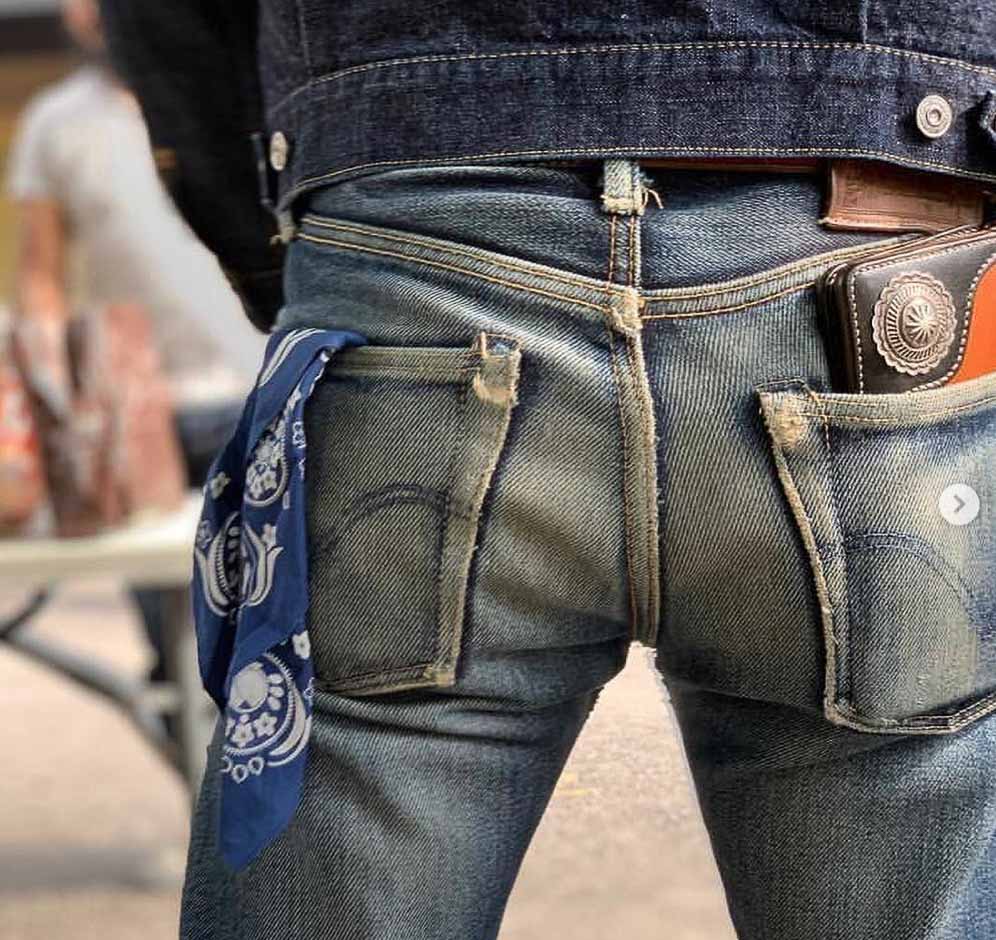
No matter how you position yourself in this scene, whether you’re a scrubbed dandy or a filthy grease monkey or something in between, you probably have at least one bandana in your rotation already. Worn around the neck, or stuffed casually into a back pocket, they are, for many of us, every bit as essential as our wallets and keys.

If you’re using your bandana as an oil or snot rag, you might have very good reason to scoff at some of the premium bandanas below. There’s no reason to invest in a quality item when a cheap bandana (or a scrap torn off an old pillowcase) will do just as well.
TL;DR – In a Rush to Get the Best?
We’ve got our Top 10 below, but, if you want to get straight to the good stuff, these are our top recommendations.
If, however, you see the bandana (as we do) as both an essential accessory and an art form in its own right, investing in a quality one makes all the sense in the world. They can add a splash of rich and contrasting colour to our blue-dominated kits, or they can give us yet another opportunity to showcase our love of all the countless ways indigo and cotton can collide.

Whatever we wear, and however we wear it, quality is key, and it’s not that much harder to find a quality bandana than it is to find a cheap one. Most of the makers we’ve covered in these guides have at least one bandana in their stables, and none of these are throwaways or afterthoughts.
This means that it’s a field absolutely packed with winners. After careful consideration, we’ve settled on ten bandanas that deserve a home in your back pocket or around your neck. Grab any of the bandanas we’ve listed below and you’ll be ready to take your cotton-soft accessory game to the next level.
The sections we cover in this guide:
- A brief history of the bandana
- How to tie and style bandanas
- Our picks of the best bandana brands
- How to identify a “well-made” bandana
DENIM, EXPLAINED
Not Sure Where to Start?
If you’re trying to make sense of raw and selvedge denim, the guides below will help you narrow things down—by brand, weight, and what actually matters when choosing jeans.
- The Best Raw Denim Brands – A big-picture overview of the most important jeans brands—and how they differ.
- Lightweight Raw Denim – A curated guide to lighter-weight jeans that are easier to wear day to day.
- Best Heavyweight Jeans – A guide to heavier denim, what makes it special, and who it’s actually for.
New to Raw Denim?
Get expert insights on raw denim, selvedge, fades, fits, and buying better jeans—delivered to your inbox by me, Thomas, founder of Denimhunters, and author of the guide you’re reading right now.

Rag of Fortune: A Brief History of the Bandana
Bandanas as we know them today first emerged during America’s Revolutionary War, but they are part of the much-longer history of the handkerchief–which might be history’s most useful and enduring piece of EDC (every day carry).
The uses for the squares of either cotton or linen were nearly endless. Duellists used to drop a handkerchief to signal the beginning of the contest, and courting lovers exchanged them as tokens of favour.
Women in the nineteenth century would send messages to suitors across the room with aid of their perfumed handkerchiefs: hanging it over the shoulder meant “follow me”; folding it meant the lady wanted to talk.
Photo Credit: Victorian Trading Co.
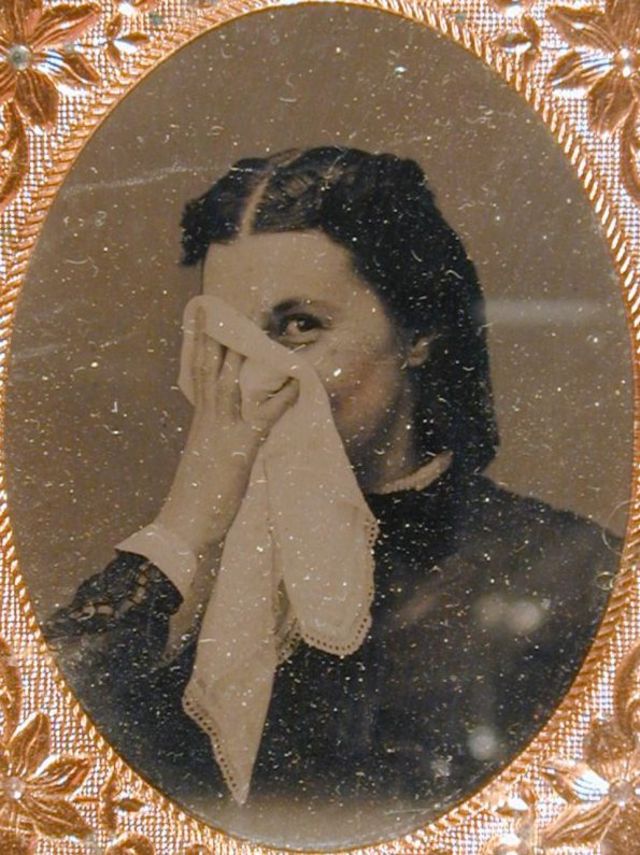
They also had more practical uses. They could be used as a makeshift bag, or they could be held over the mouth and nose whenever there were foul odours or contagions in the air, which became a more pressing need as cities became more crowded and polluted places.
While the monied classes were waving their hankies in the air, labourers were putting them to good use, wiping their brows or the backs of their necks to remove sweat or whatever else had accumulated there. Rather than delicate pieces of linen, the working classes used sturdier cotton.
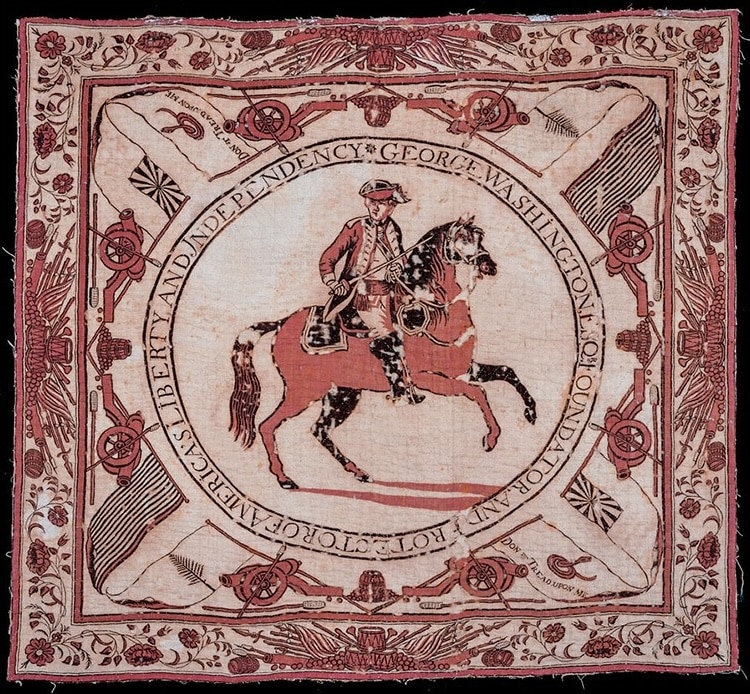
During the American Revolution, Martha Washington had a man named James Hewson design what is generally accepted as the first true American bandana. Featuring an image of her husband, George Washington, on horseback, the bandanas circulated widely.
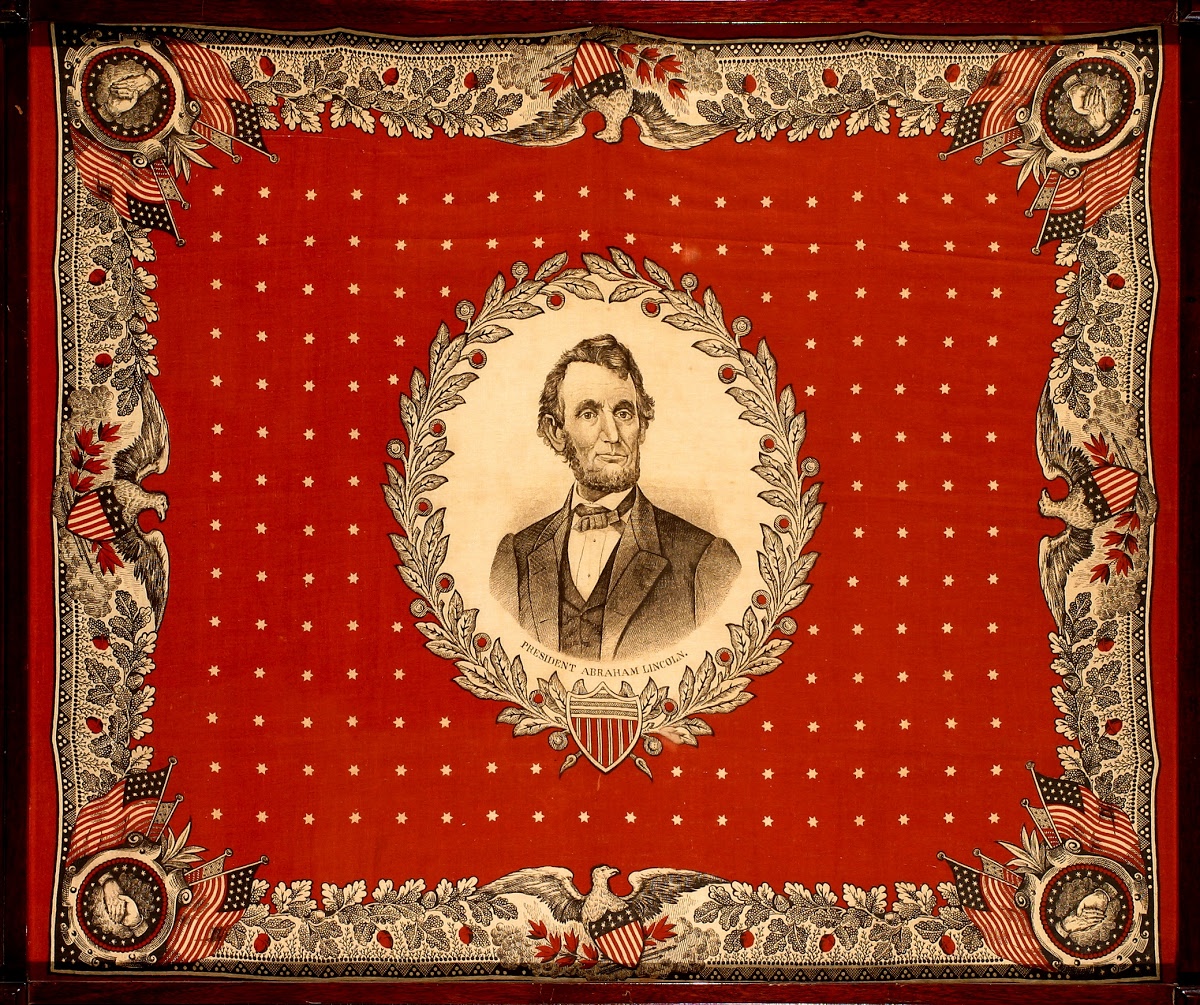
For the next two centuries, the bandana was a crucial tool for American campaigners, who distributed them widely to potential voters, who waved them in the air on the political trail.
On the dusty trail, the bandana became a key component of the cowboy kit. Worn over the nose and mouth, it could filter out trail dust, and when the sun was at its peak, it could be turned around to cover the back of the neck.

When the wind was blowing, it could be used to tie down one’s hat, and when it was snowing, it could be worn over the ears to prevent frostbite or over the eyes to prevent snow blindness. You could hobble a horse and tie a hog, or you could use it as a washcloth or as an oven mitt.
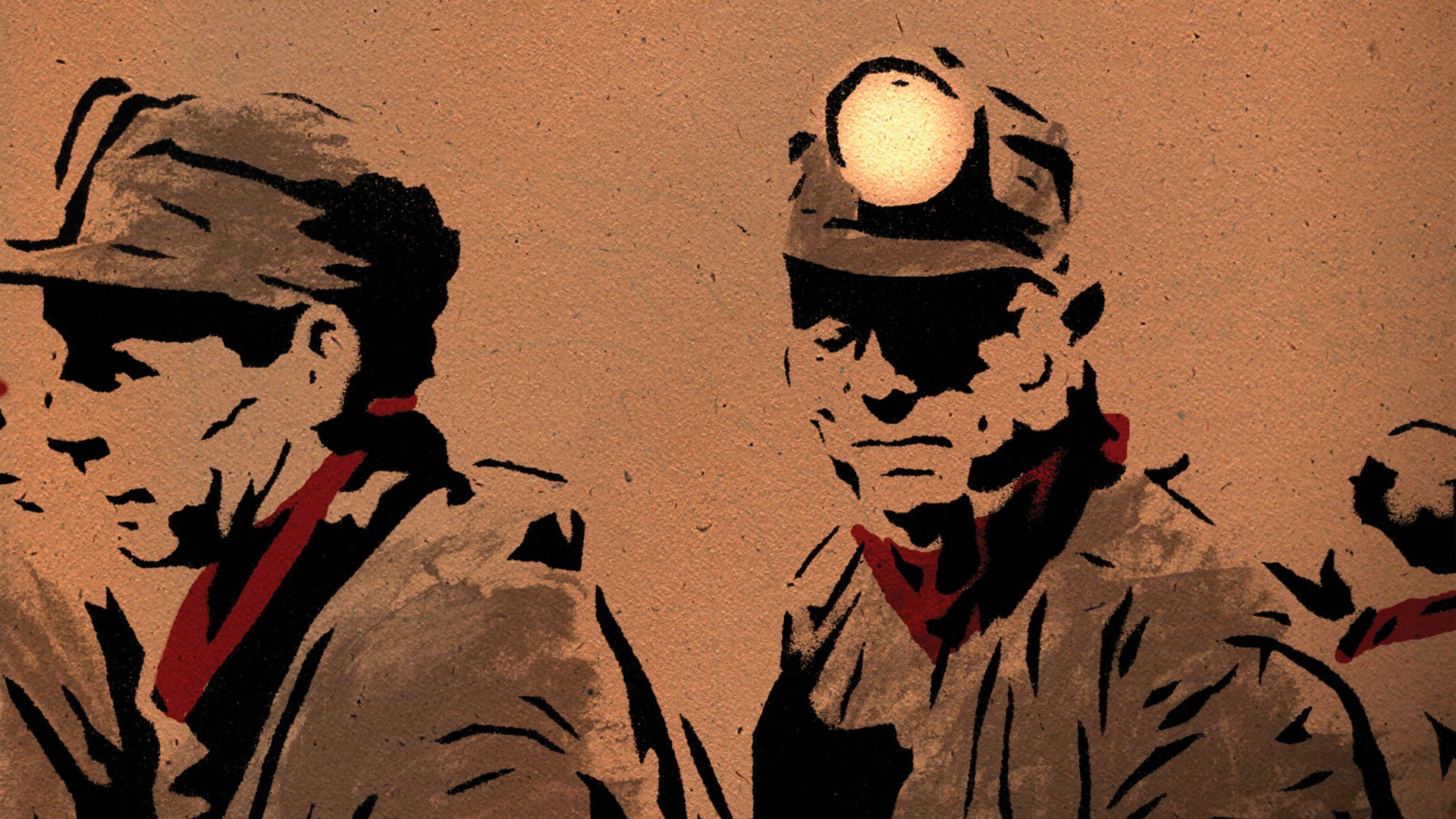
The bandana remained a staple for hard-working men and women in the twentieth century. In the 1910s and early 1920s, Appalachian coal miners were fighting for workers’ rights—a struggle that culminated in an armed standoff in 1921. The Battle of Blair Mountain was the biggest armed uprising in the US since the Civil War.
The mine guards and deputies wore white armbands. The miners wore red bandanas knotted around their throats, earning them the epithet rednecks. The red square of cotton remained a fixture in graphic representations of the working class throughout the first half of the century, including heroic images of working men and women during WWII (think of Rosie the Riveter).
Since then, the knot has only grown tighter. The bandana is a proud emblem of rugged masculine style. Whether worn in the back pocket like a grease monkey or around the neck like a cowboy, it’s a sharp addition to any kit. A good one is a worthy investment.
Bandana Tips: Tying and Styling Bandanas
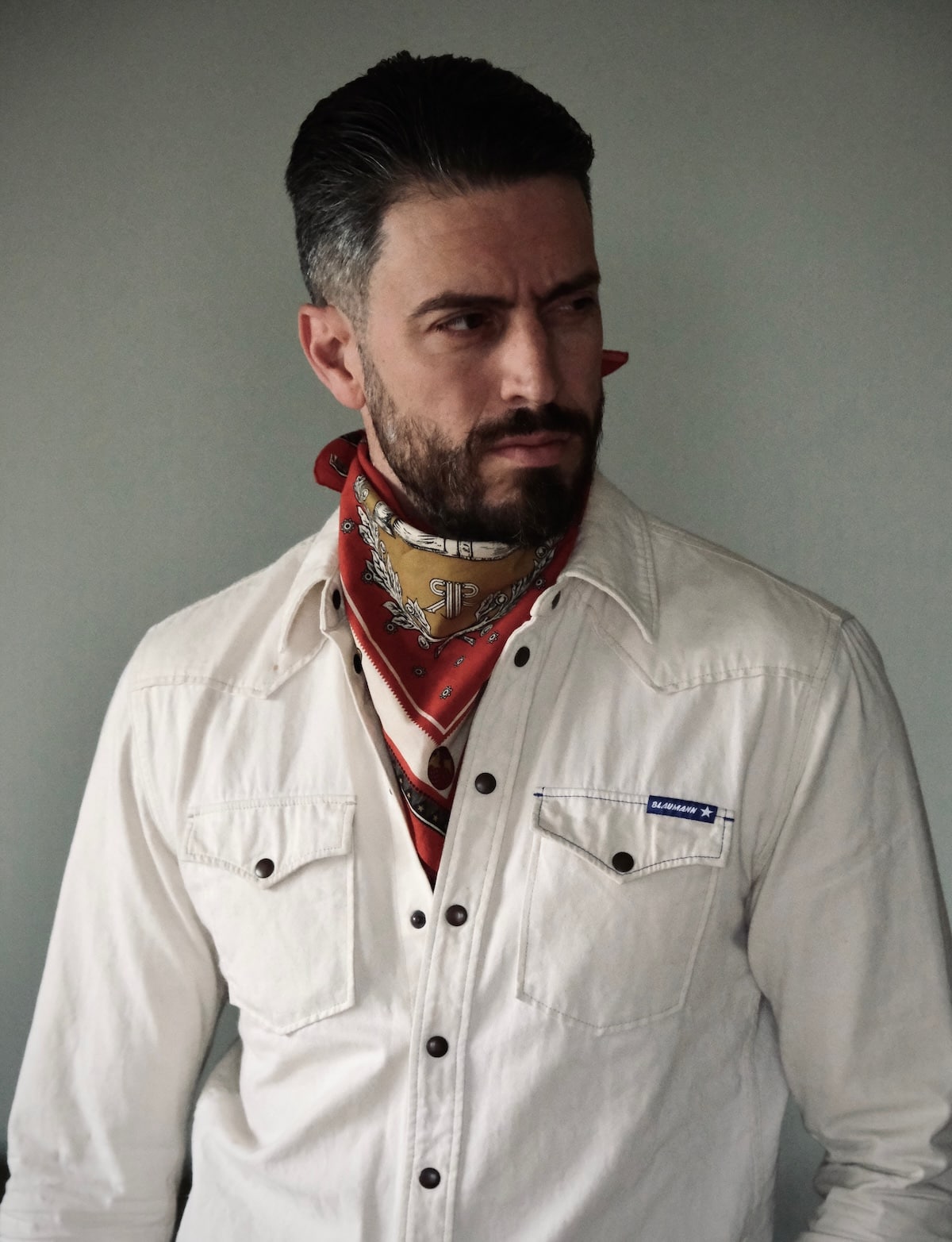
The easiest way to wear a bandana requires the least effort. Just double knot it around your neck and slide the knot around to the back of your neck. Wear it on the inside of a buttoned shirt for a big splash of colour at the throat that pulls you about as far westward as you can get without dropping into the Pacific.
Common practice is to make a rope of the bandana by folding it into a triangle and giving it a spin until it looks rope-ish. This does the trick, but it starts unravelling almost immediately.
Here are some better approaches. For a flat and neat rope, start with the bandana laid open and flat. They then fold the corners towards the centre, folding each side 3-4 times. To make it even neater and more secure, you can press the folds in with an iron.
I prefer a reverse roll. Start by folding the bandana into a triangle. Starting from the apex of the triangle, roll the bandana as tightly as possible towards its longest edge. The result is a round tube of cotton that won’t unravel.


Rather than tying a simple double knot, which leaves the ends sticking out at awkward angles, use either a square knot, a sliding square knot, or a four-in hand.
The classic square knot is the most secure of the three, but I prefer the two sliding knots, both of which can be removed quickly and with one hand. With a little practice, you should be able to tie the knots quickly and without thinking about it.
The square knots will work best for smaller bandanas. If the bandana is large, the ends will droop and look a little clownish. For best results pair the square knotted banana with crew necks (e.g., sweatshirts and tees).
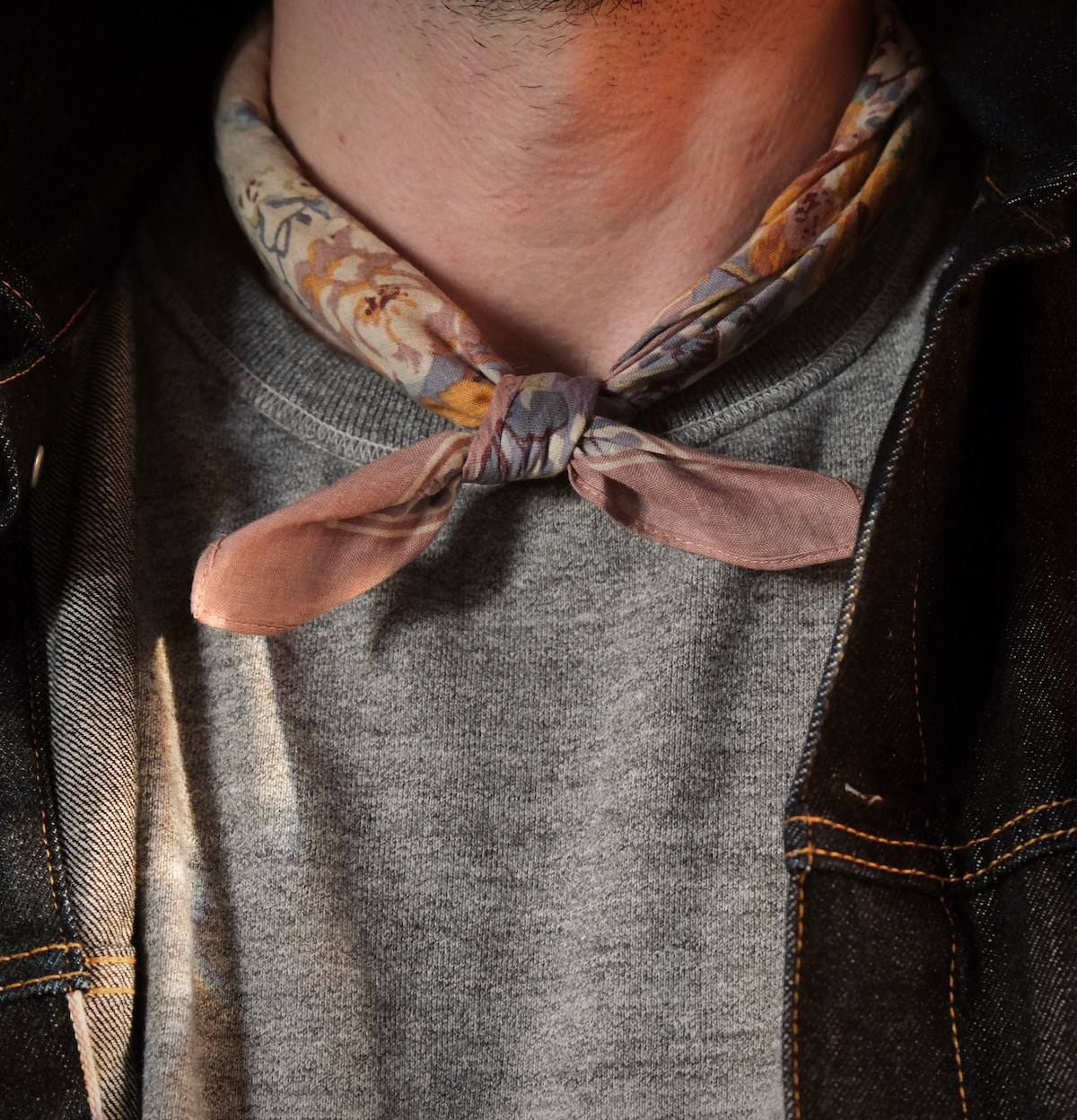
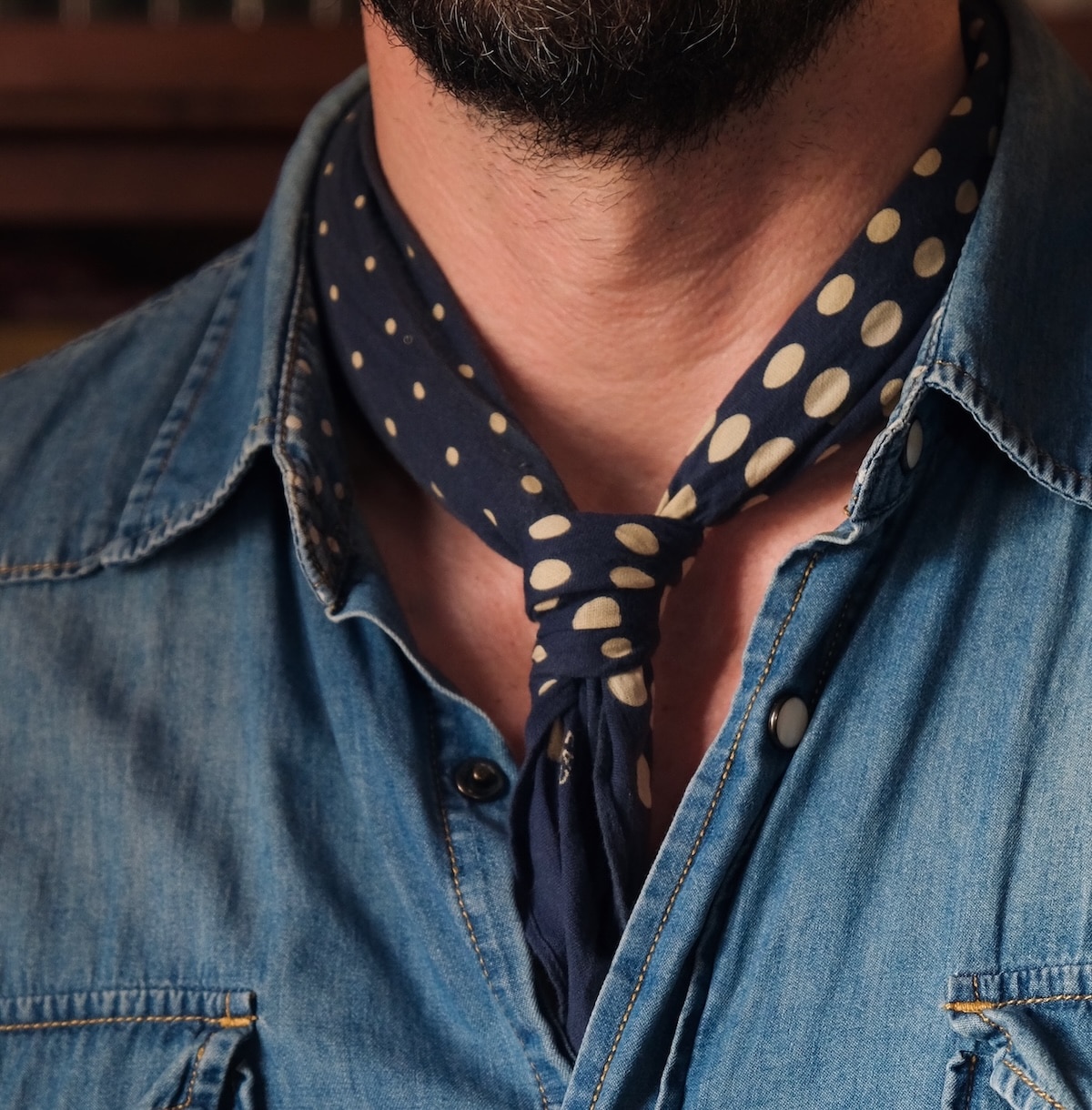
The four in hand knot, which leaves the bandana ends pointing down, works very well for larger bandanas. Wear it loosely around the throat. filling that vee-shaped space at the top of opened shirts (it works equally well with button-up shirts and open-neck basics like the henley).
If you don’t feel like knotting it around your neck, it can also be worn in the back pocket. You can fold it if you want to keep things neat, but if you want a touch of that greasy garage-wear style, just stuff the bandana into your pocket any old way.
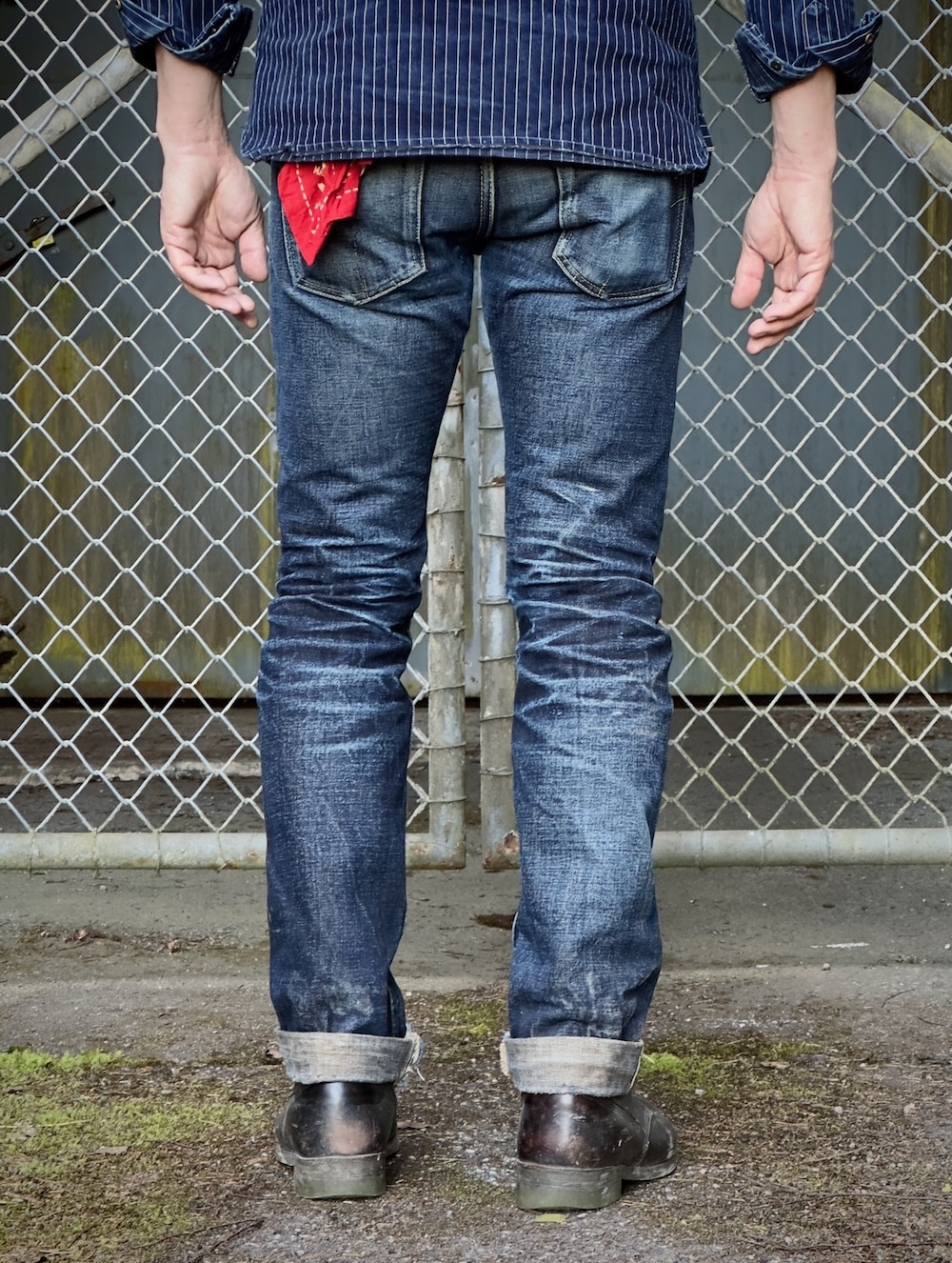

One more tip: Accessories are best, we think, in small numbers. With bandanas that number is ONE. If you’re wearing one around your throat, It’s too much of a good thing to have one in your back pocket as well.
The 10 Best Bandana Brands
Print and colour choice are deeply personal, so, in the guide below, rather than making this choice for you, we’ve tried to choose brands that give you at least a few different colour/print options. Happy hunting!
One Ear Brand
We’re leading off with One Ear Brand because, for our money, they’re the best bandana maker out there right now. Made in Japan and based on high-quality bandanas produced in the nineteenth century, these are a love letter to a nearly lost art form.


Released in limited quantities, the bandanas sell out quickly, particularly ones in classic colours like red and blue. If you see one, grab it. They’re expensive, but they’re more than worth the investment.
Be particularly careful with the sizes here. The smallest One Ear bandanas (50 x 50 cm) are likely the size you’re familiar with. The others (70 x 70 and 90 x 90) are, respectively, larger and MUCH larger than you might be expecting. Good news: the smallest ones are also the least expensive.
Kapital
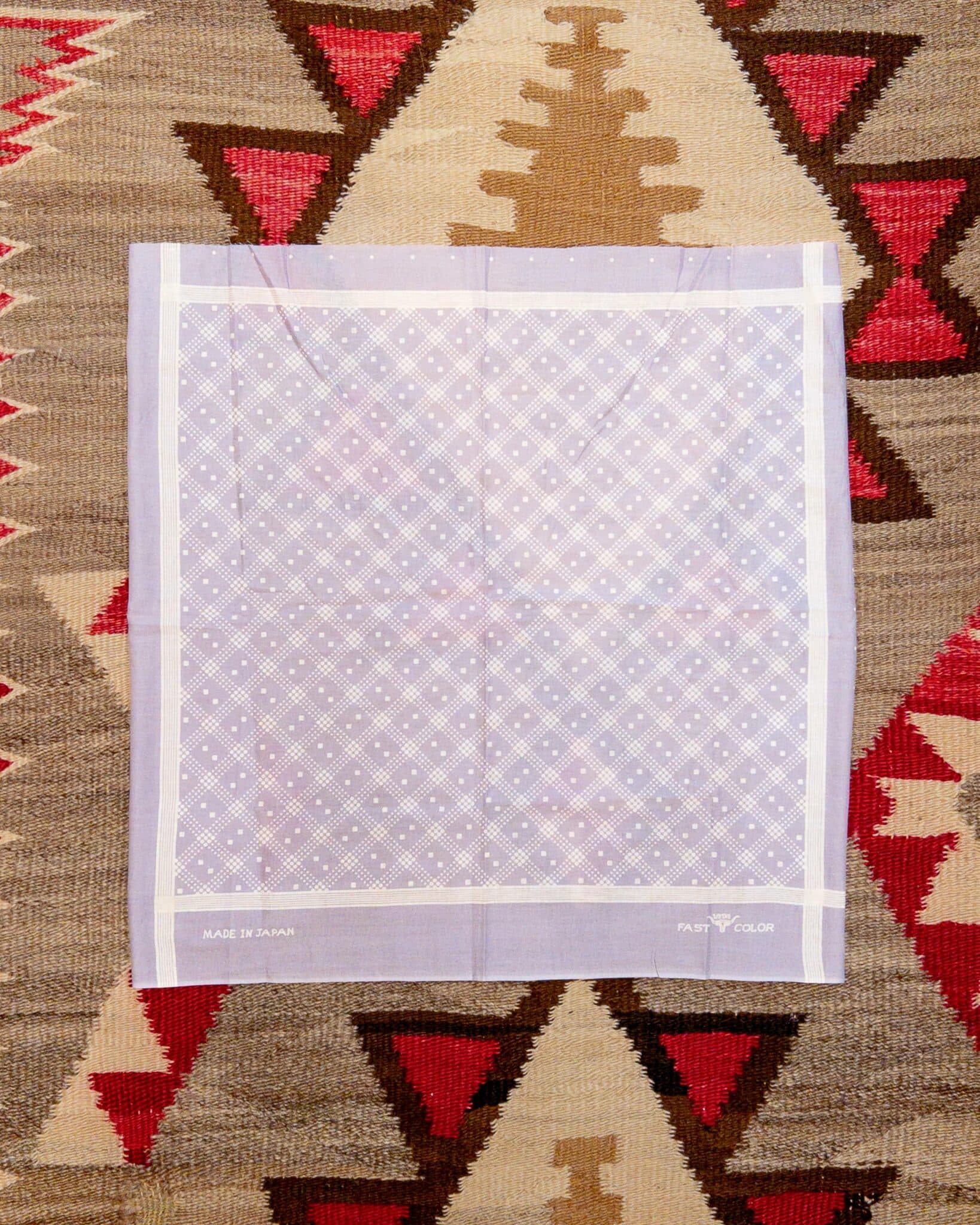
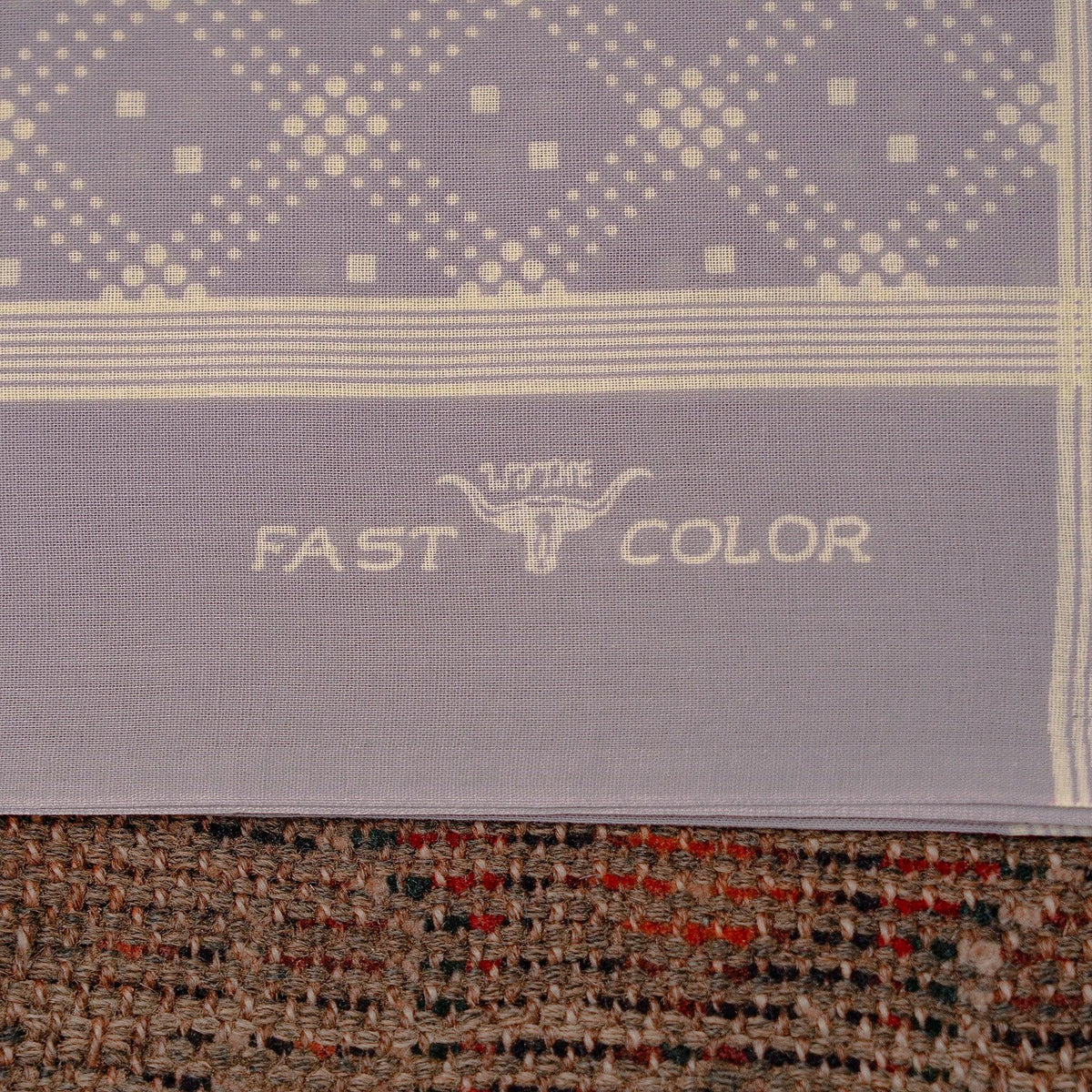
There is no better entry point into the the world of Kapital than their Fastcolor bandanas. One of the most fashion-forward heritage brands, Kapital’s pieces command exorbitant prices. Their bandanas, though, are as brilliant as they are reasonably priced.
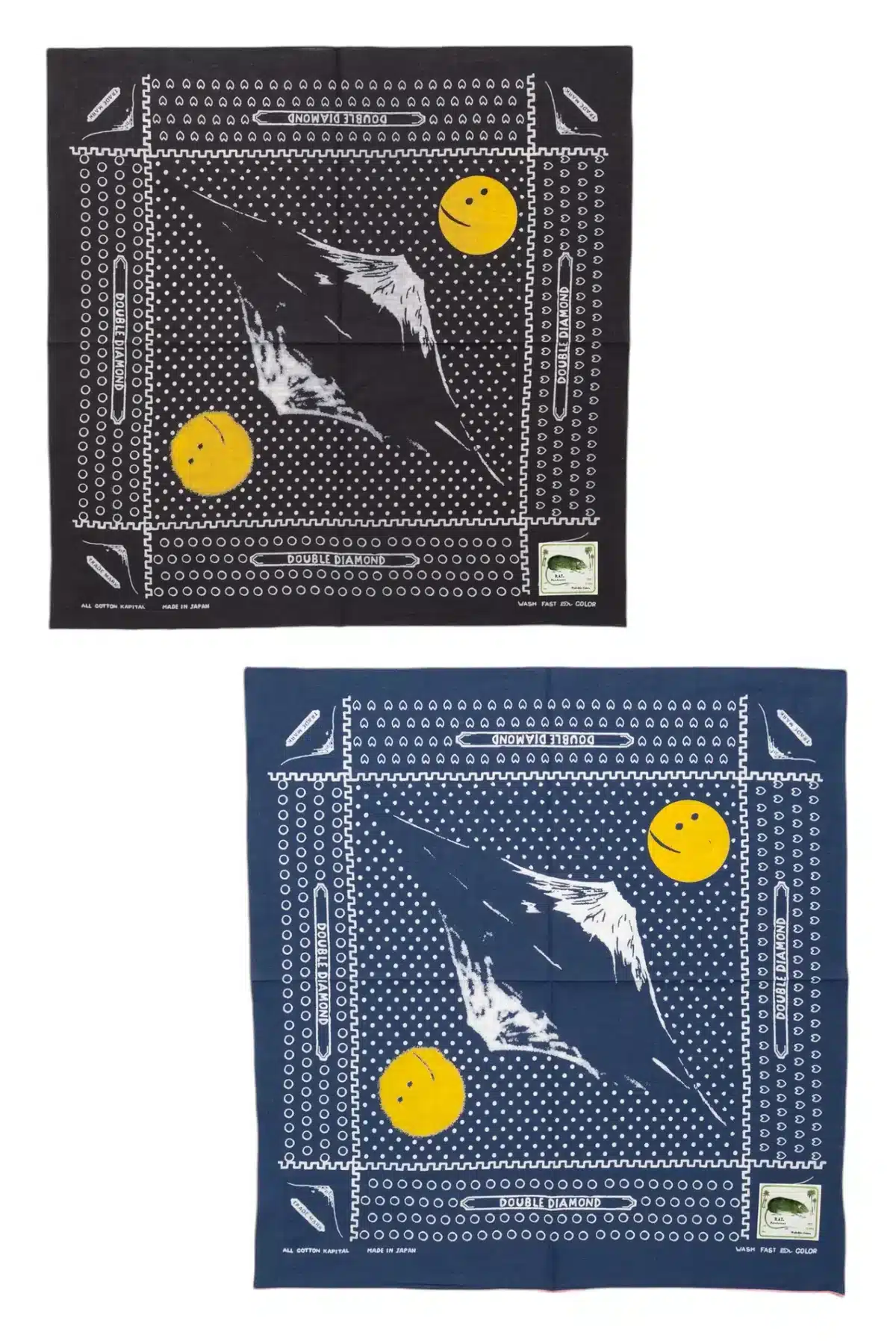
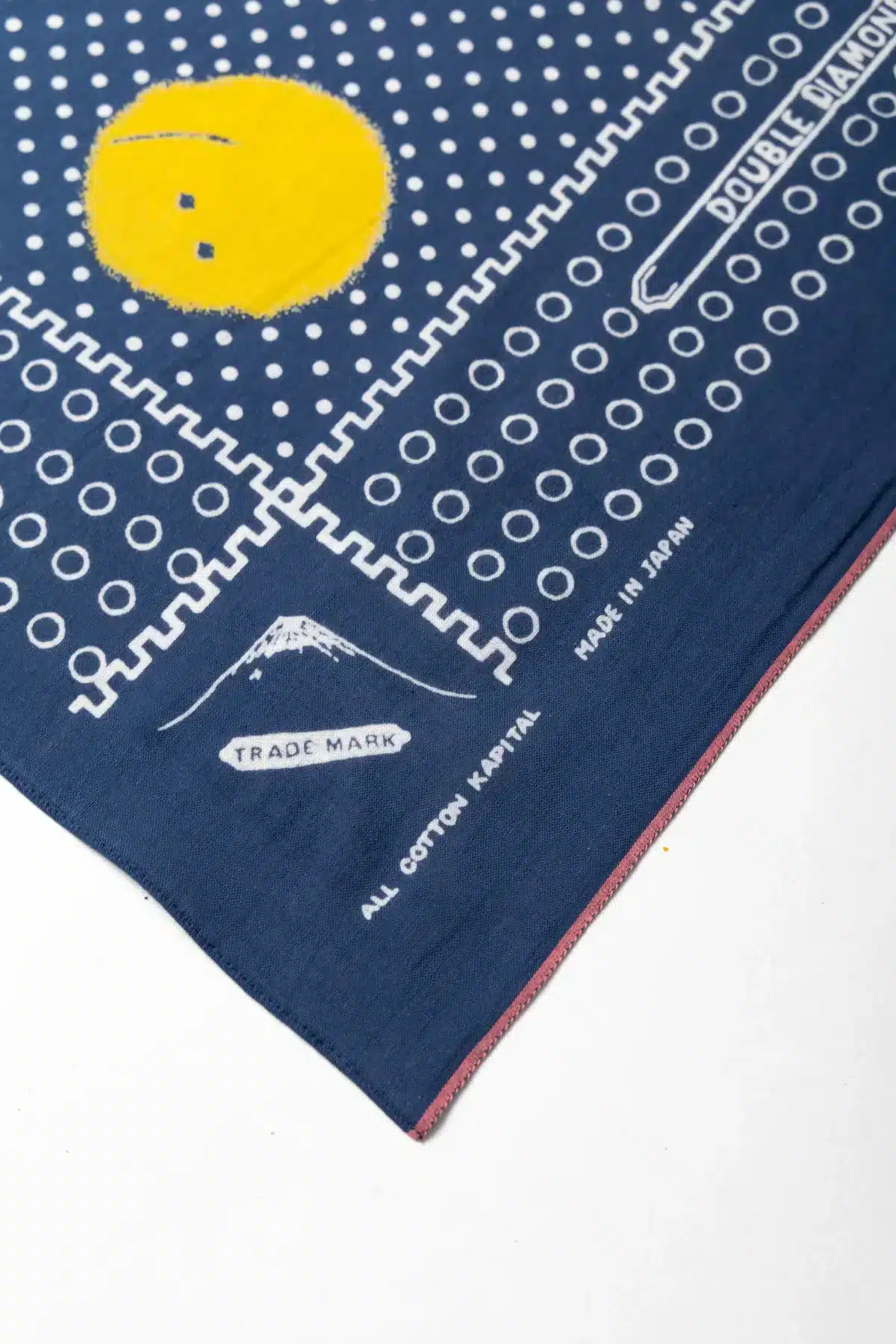
The cotton is incredibly soft, feeling nicely broken in and ready to wear right out of the box, and the indigo tones are equally worn in and muted. I picked one up in Japan and have since added two more of them to my collection. Utterly essential.
Felix Green
Based in England, Felix has made a name for himself in a remarkably short period, thanks to his ability to produce truly remarkable bandanas that are immediately recognisable as uniquely his own. ‘Striking’ doesn’t begin to cover it.
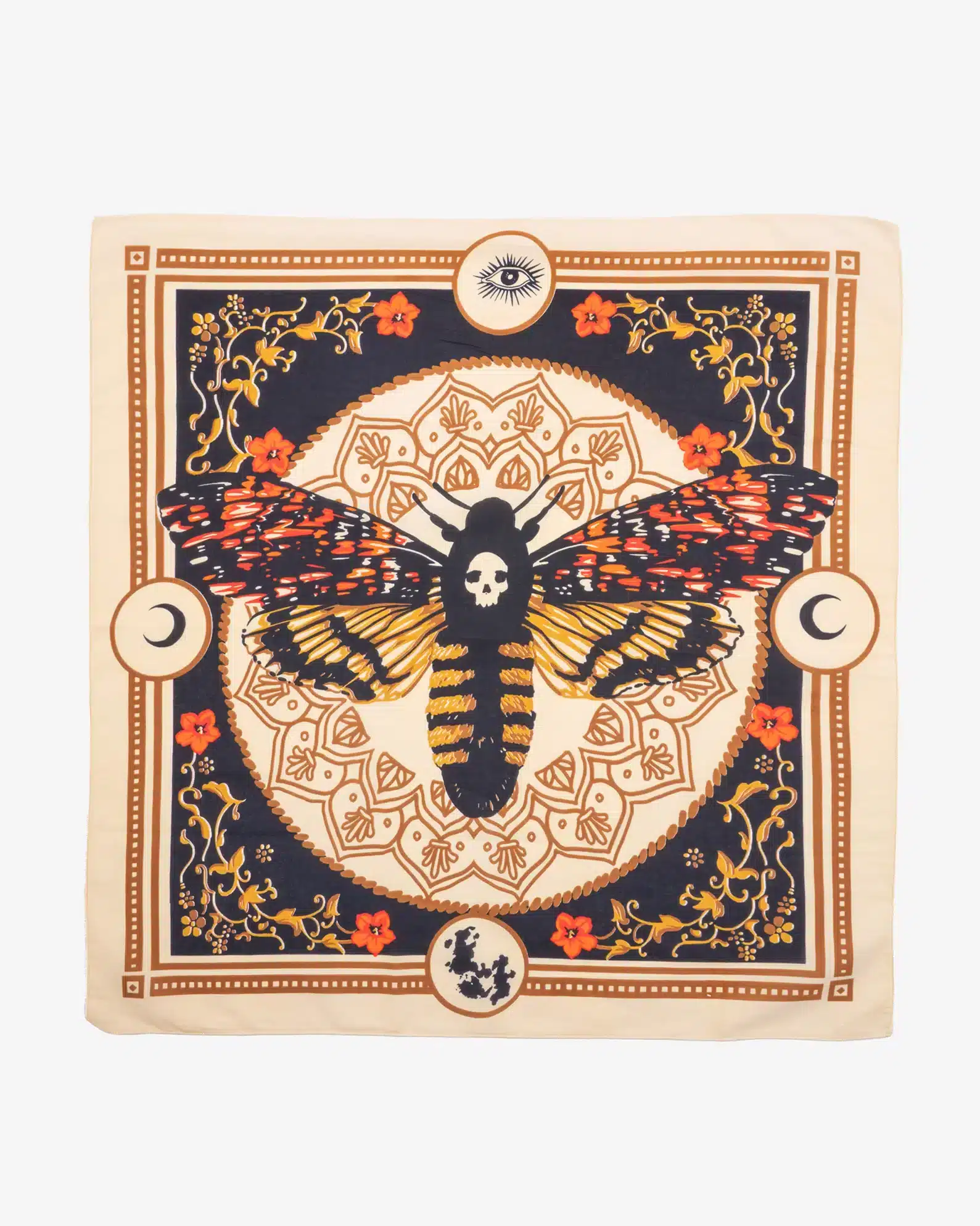
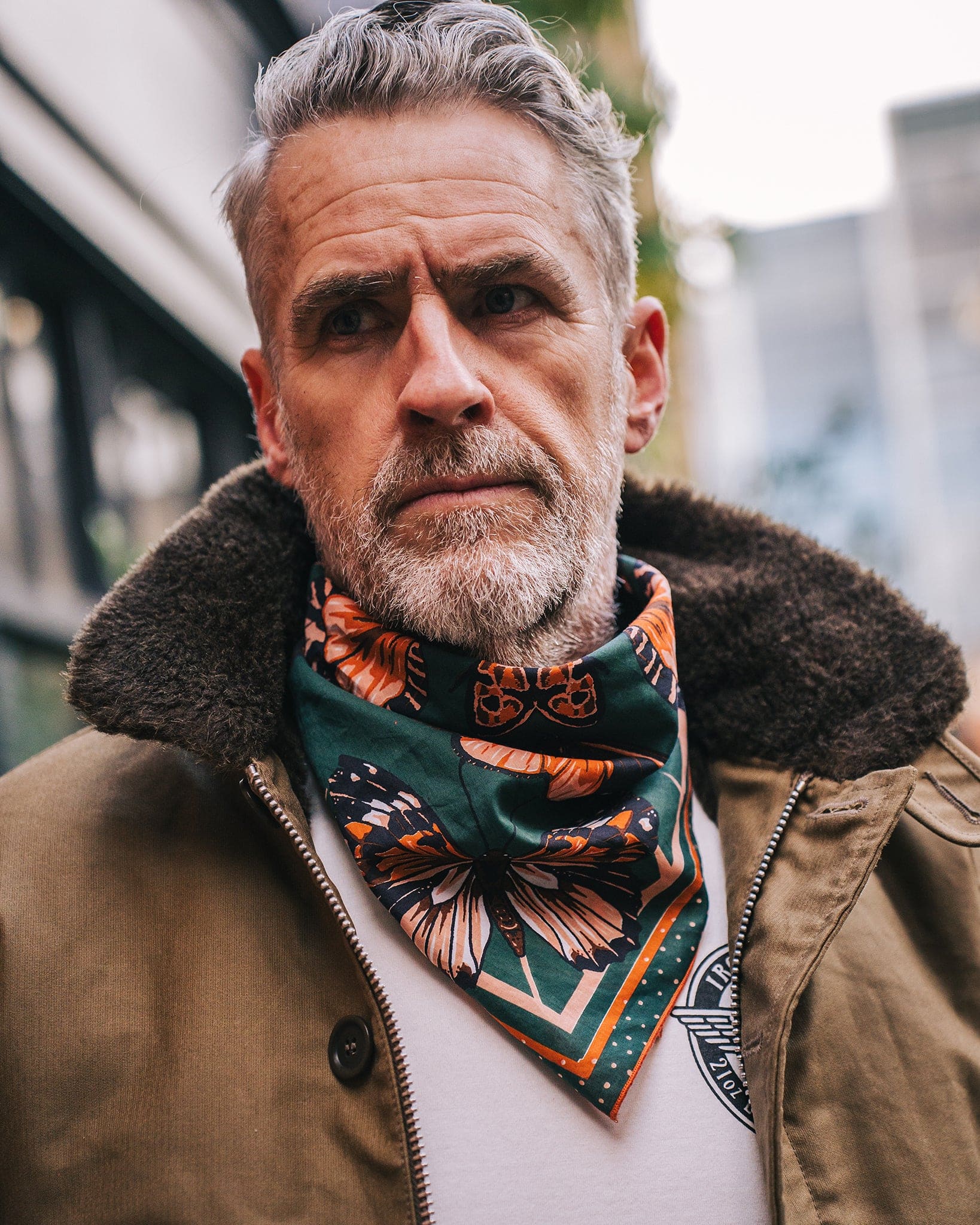
Felix clearly has an eye for evocative colour combinations and an ability to fuse the elegant and the rugged into one perfect package. Good luck picking just one.
Indigofera
Indigofera always come at a project slightly sideways, and they really lan into this with their bandanas, which showcase their tastes (a mixture of the eclectic and the electric). You see the same thing in some of their wool blankets.
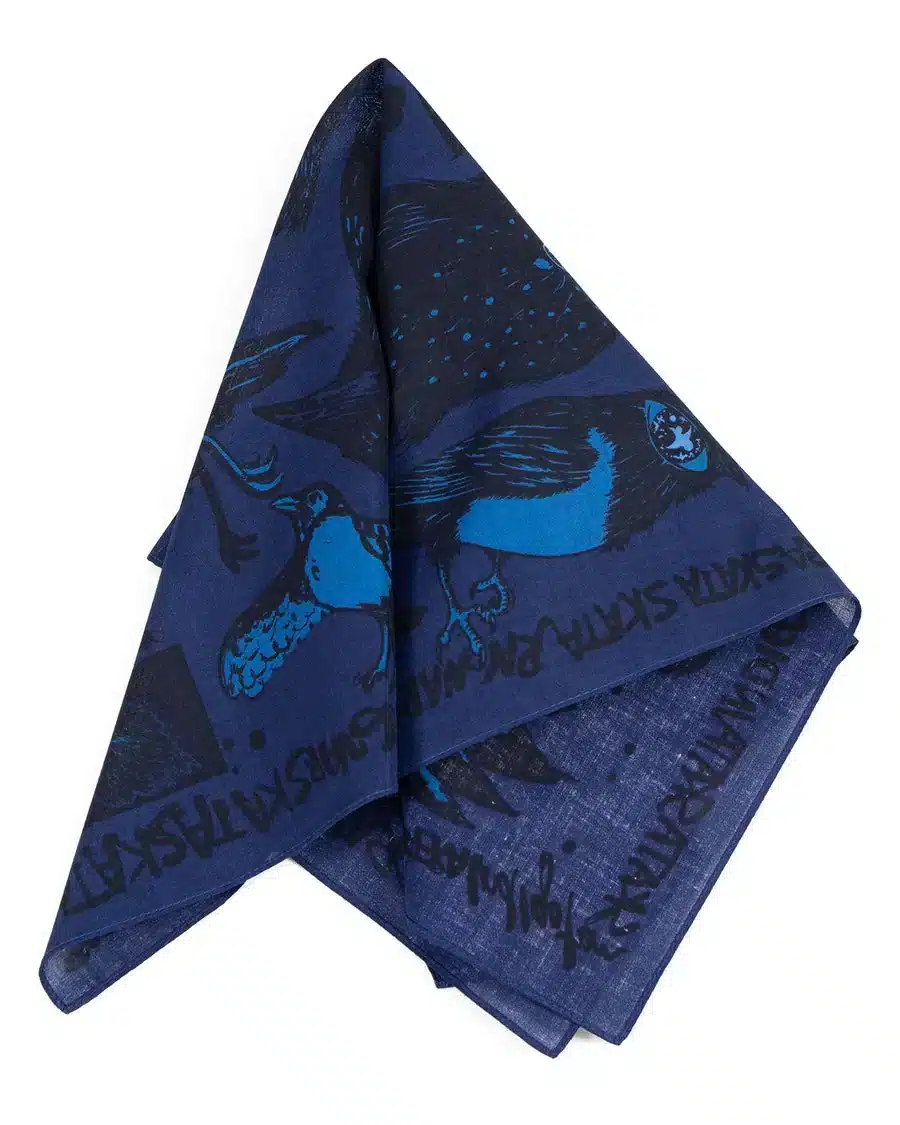
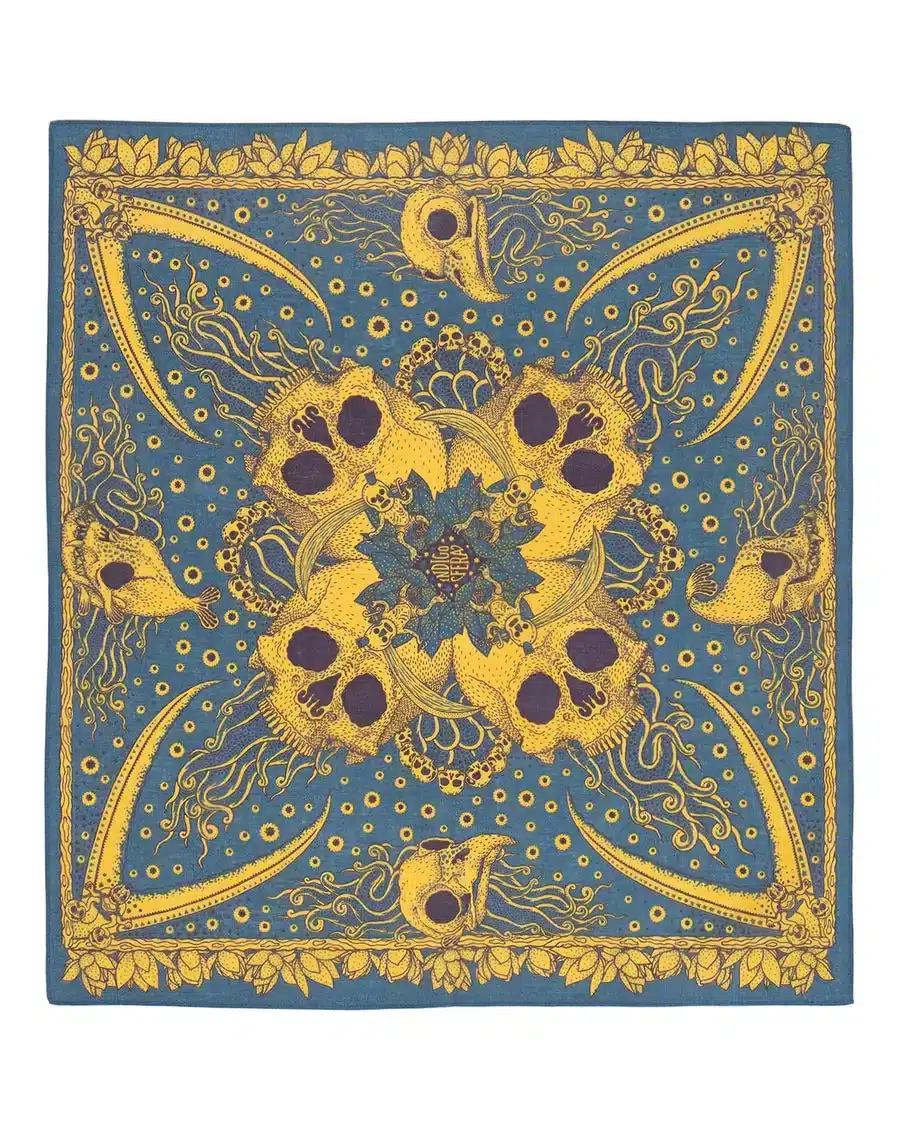
Indigofera bandanas are occasionally oversized, so check those measurements carefully. If you’re looking for a typically sized bandana, anything around 50 cm per side will be big enough for you.
The Real McCoy’s
Real McCoy’s take an extremely disciplined approach to vintage pieces. They believe that well-made and timeless things don’t need elaboration or improvement. They bring us pieces (like these red and blue bandanas) straight from the past into the present, paying tribute to the past with simplicity and durability.
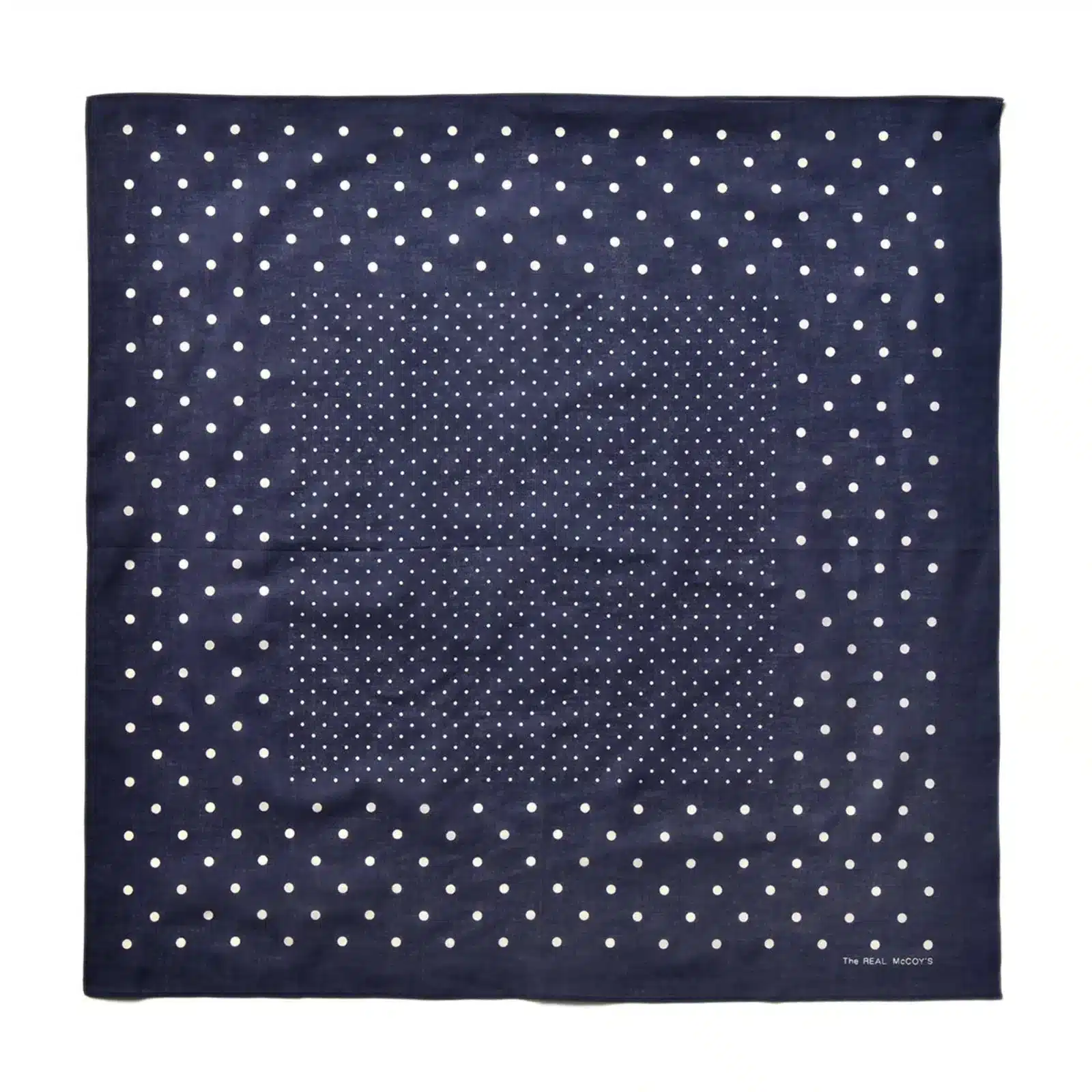

Their selvedge bandanas are based on the mountains of vintage pieces Real McCoy’s have in their archives, and they’ve chosen very well here. Timeless and understated, these bandanas get the job done without making any fuss about it.
Real McCoy’s is available at Lost & Found (CA) and Clutch Café (UK)
Iron Heart
Iron Heart don’t try to break the mould with their bandanas. They bring the same approach to the handy cotton squares that they bring to all of their pieces. They put something in their sights, give it their subtle trademark twist, and then pull the trigger. Without fail, they deliver something that hits the market square between the eyes.
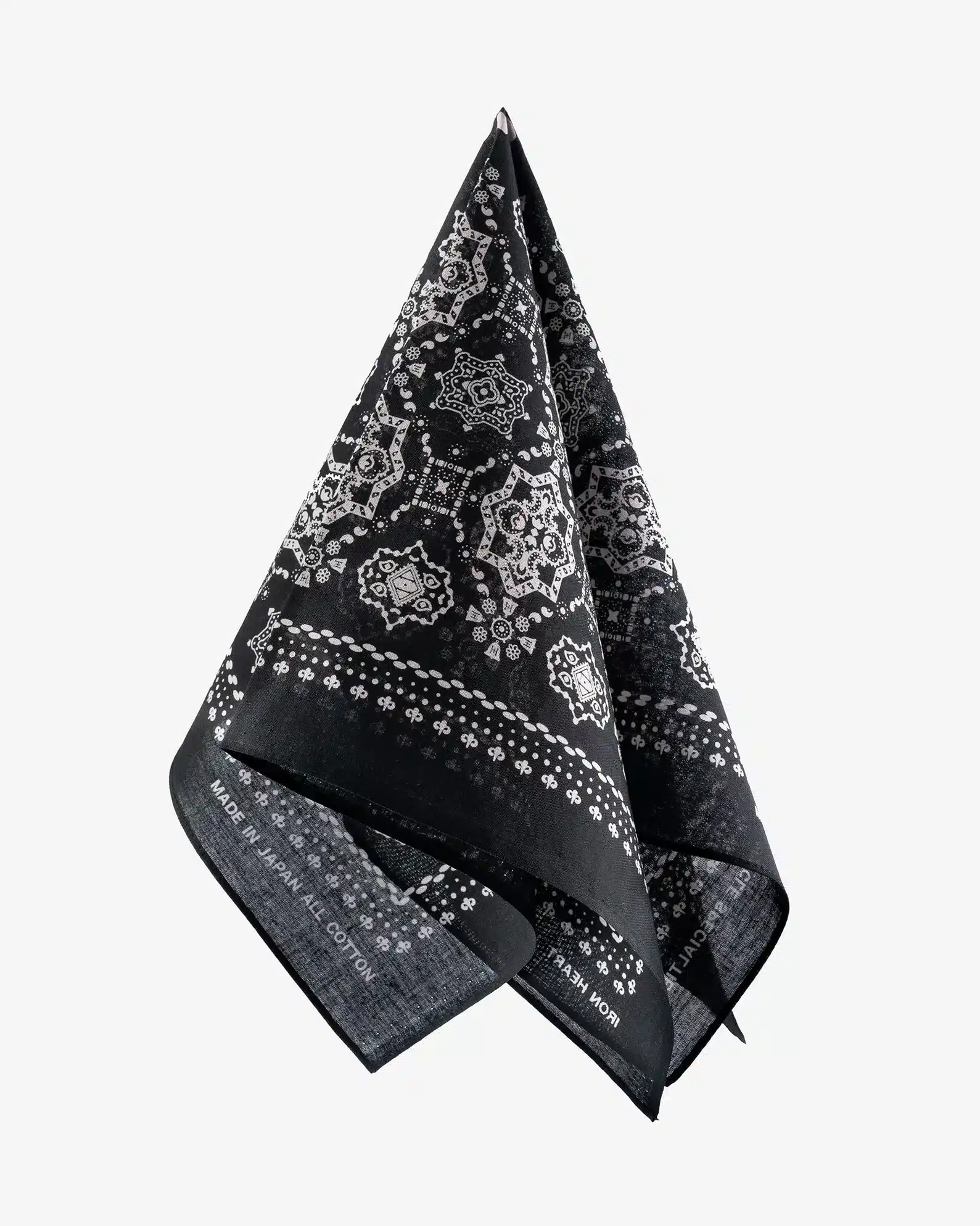
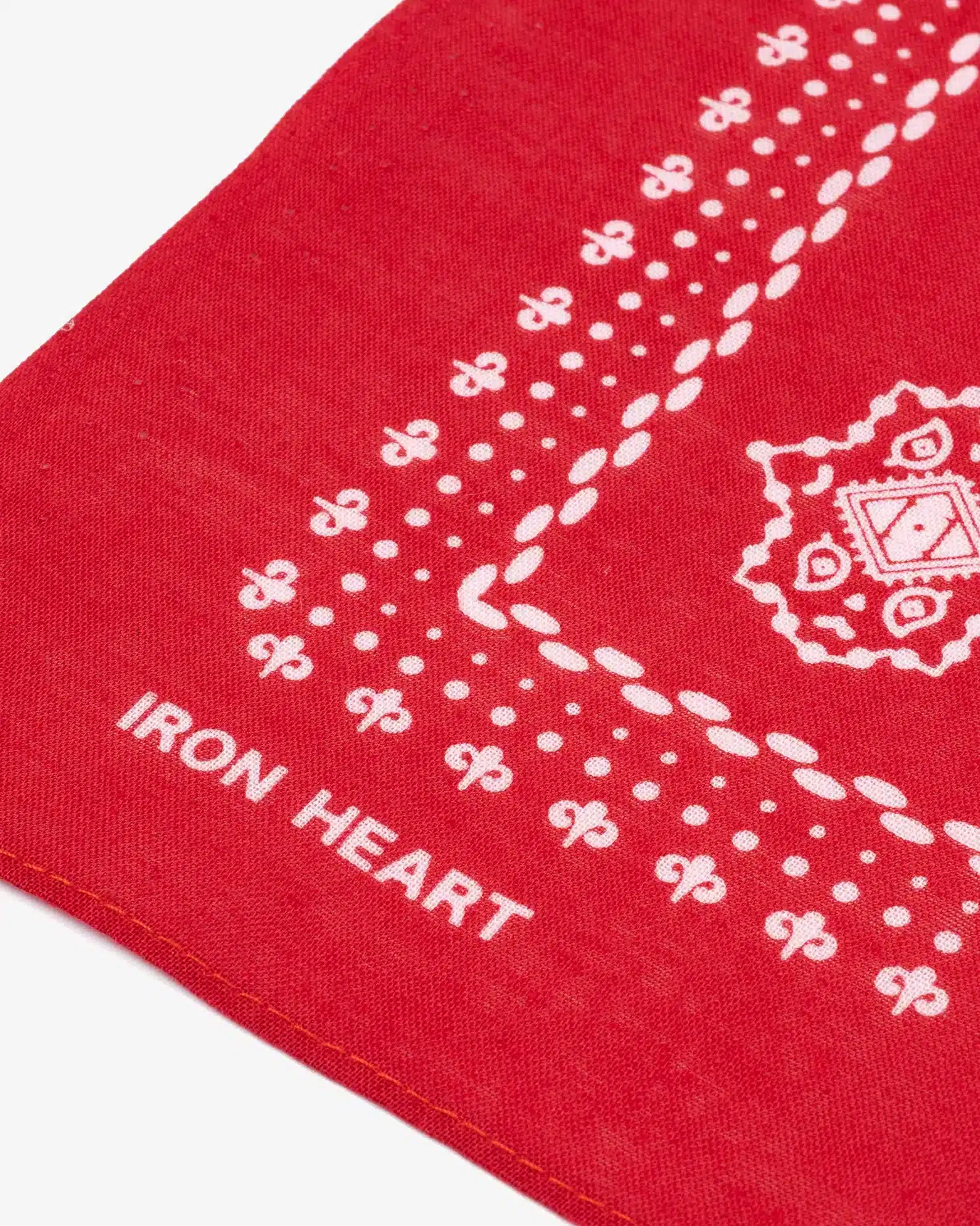
Their discharge-printed paisley bandanas come in a wide range of colours (though they sell out quickly), and they’ll more than satisfy you if you’re looking for a classic and exceptionally well-made selvedge bandana.
Iron Heart is available at: Franklin & Poe (US), Brooklyn Clothing (CA), Iron Shop Provisions (US), Division Road (US), and Iron Heart International (UK).
Wythe
From their headquarters in New York City, Wythe has been quietly shaking up the rugged scene. The founder hails from Austin, Texas, but has made a comfortable home for himself in NYC’s fashion scene. He brings something of that big sky country sensibility to all his pieces.
Like some of our absolute favourite heritage brands, Wythe doesn’t try to rock the boat here. The result is a brand that, though they were founded in 2019, feels like they have been with us for ages.
Jenni Earle
They’ve since expanded their line, but Jenni Earle started as a pure-and-simple bandana brand. Their first piece, the Heritage Bandana, was an immediate and resounding hit, and they’ve since built on that success with an ever-expanding range of excellent bandanas.
Each Jenni Earle bandana is hand made in the USA from American-grown cotton. A touch larger than typical bandanas, they’re an excellent choice if your’e planning to tie your bandana with a four in hand knot (see above).
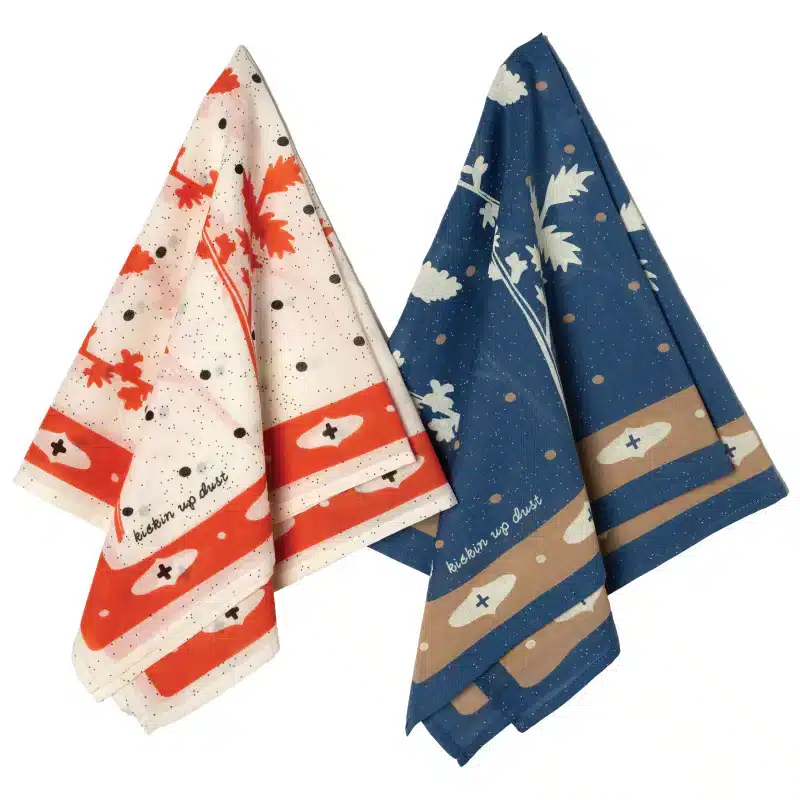
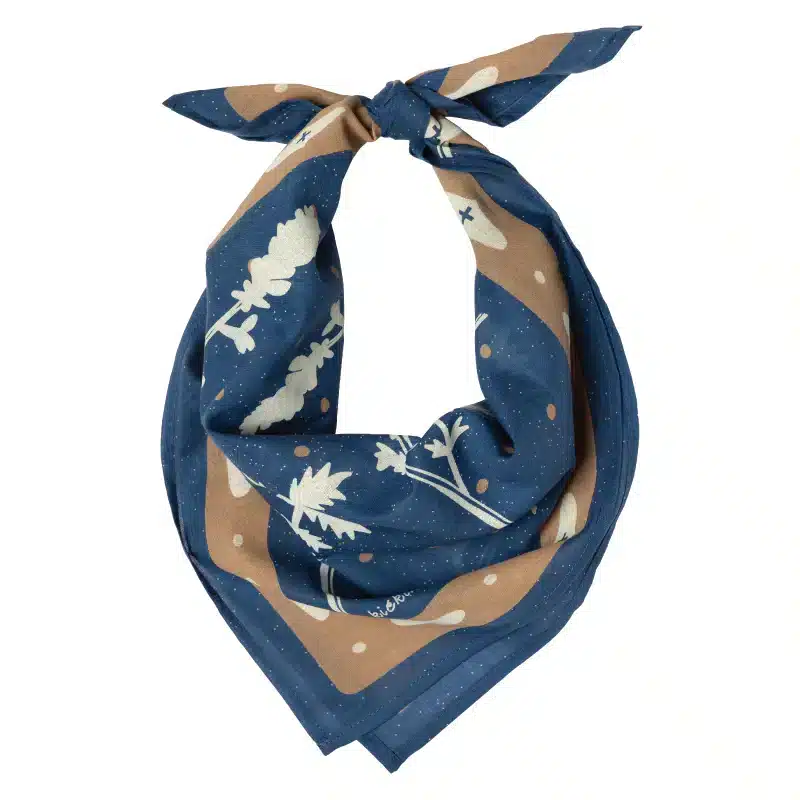
The designs and colour choices are all excellent here. Work equally well for men and women.
Kiriko
Based in Portland, Kiriko reach across the Pacific to the Japanese islands, borrowing their fabrics and their design sensibilities. In the purest sense, they are a brand that fuses East and West, and the results speak for themselves: gorgeous.
Kiriko specialise in bandanas, so they have dozens of colours and prints to pick from. Good luck picking just one.
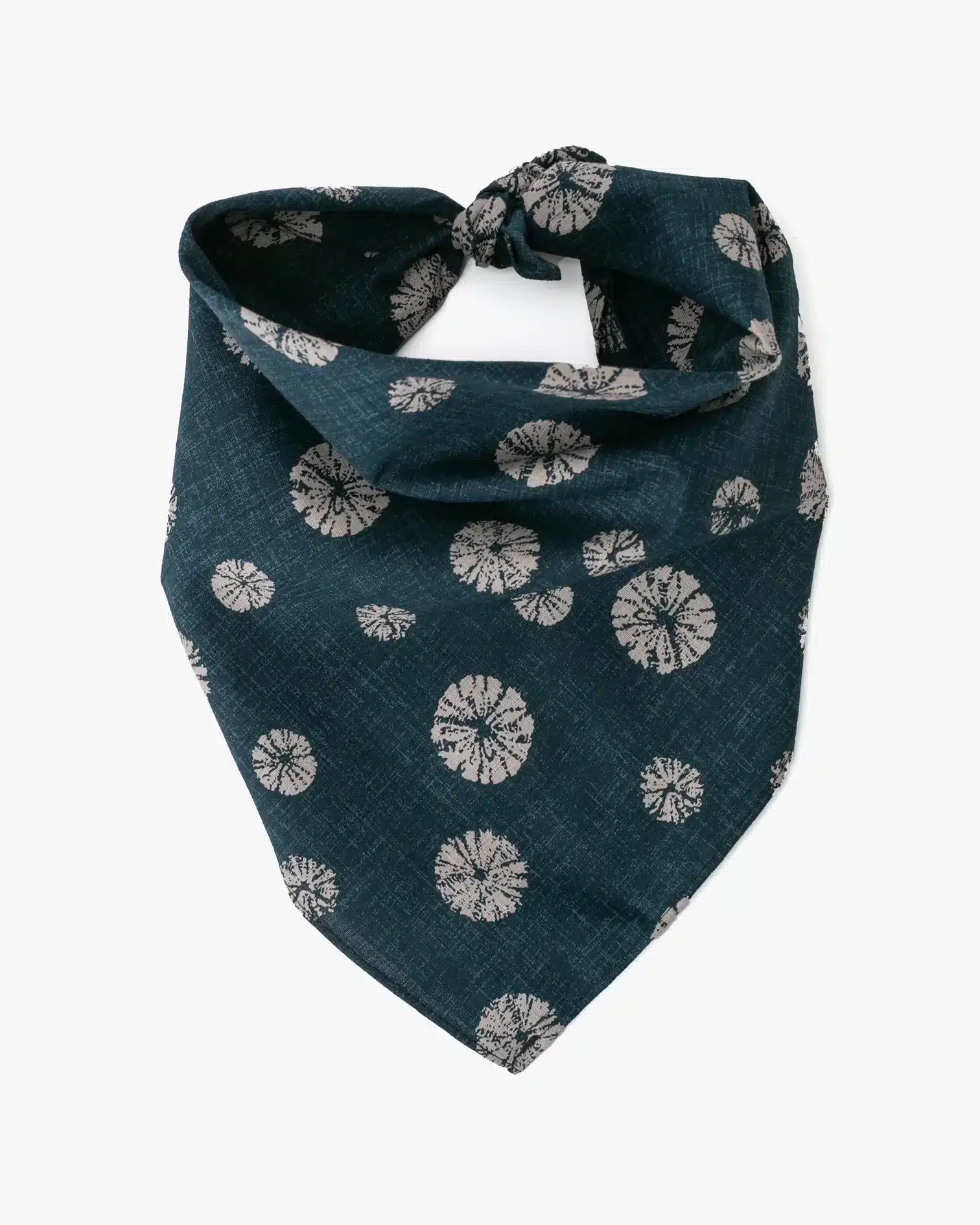
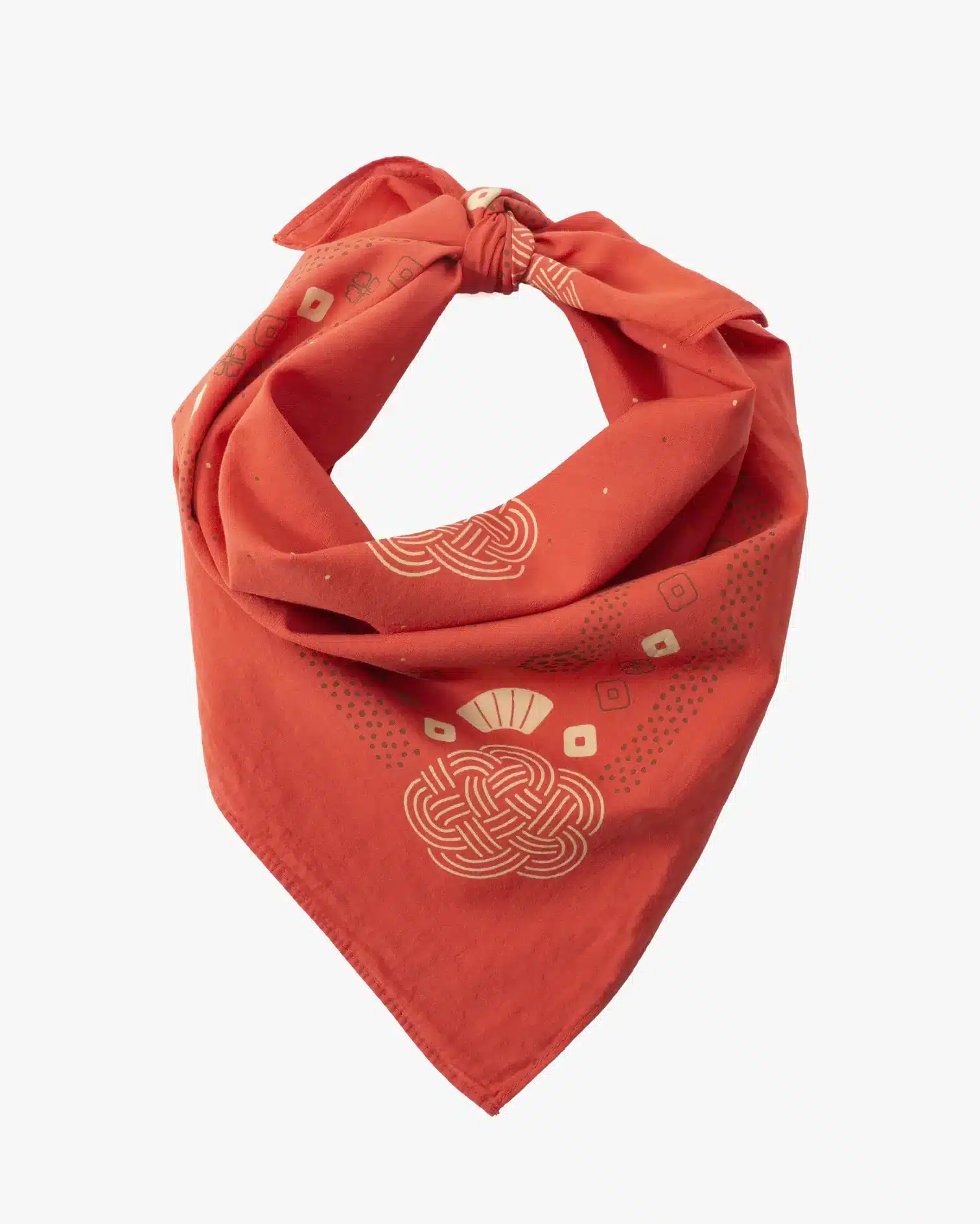
Kiriko bandnas come in a few different sizes. Depending on how you’re planning to wear yours, you might find some of their smaller sizes a little too small. Double check the numbers before purchasing.
Anonymous Ism
If you’re planning on wearing your bandana around your throat (and it’s not going to double as a sweat rag), these silk bandanas by Anonymous Ism can add a touch of luxury to your bandana collection.
They look every bit like classic cotton bandanas, but they feel absolutely incredible against the skin. It’ll be your choice whether you tell folks that you’re wearing a silk scarf.

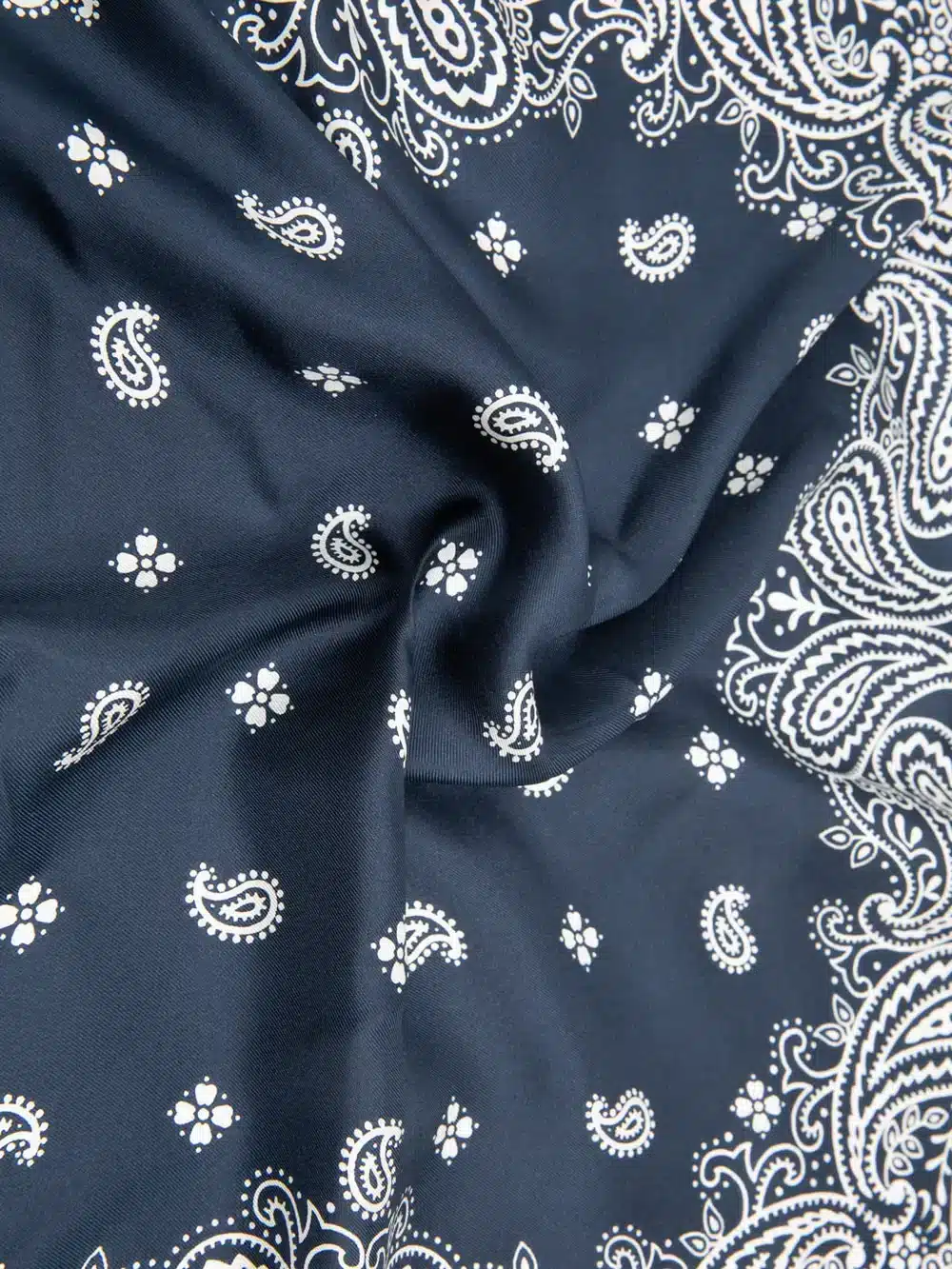
We’re quite fond of the navy version, but it sells out quickly. It’s worth waiting for if you’ve got the patience.
How to Identify a Well-Made Bandana
How to tell whether a bandana is well-made or not comes down to how it looks and feels. Normally we would explore the construction and the hallmarks of quality in this section, but the bandana is such a simple accessory that we can jog through the marks of quality.

What It’s Made of, How it’s Made, and Why it’s made
As a minimum, you can expect bandanas to be 100% cotton. This is a low bar to clear, and all of the makers on this list (with the exception of the silk scarf) do so without breaking a sweat. Some of the best makers offer selvedge bandanas, which have a barely noticeable selvedge line on one or two edges (you can see that line on the Kapital Selvedge Bandana pictured below). The edges that are not selvedge will be folded and stitched.
One of the few places you can check the quality of the work is the corners. Has it been stitched together hastily, or is it clean and precise work? If you’re paying for well-made, it’s fair to expect nothing short of perfection.
Hand feel is an excellent guide here. If you like the look of the bandana, pick it up and rub the material between your fingers. Is it soft and supple? That’s a sure sign that the maker has gone out of their way to source top-grade cotton for their bandana. If it feels crisp or papery, mosey on to the next one.

Some well-made bandanas are deeply saturated in colour and could block out the sun on a cloudless day. Others are given a gentler dye treatment and are almost transparent. One isn’t better than the other, it’s just a matter of the maker’s purpose and your preference.
Finally, a well-made bandana, when unfolded and laid flat, should communicate something to you. It might tell a story, or it might evoke some far-away time and place or something nearer and dearer.
Great makers produce bandanas with this kind of intention. The bandana is their canvas, and, like all artists, they want their story to be understood and their work to be appreciated.
When considering your choices, trust your instincts. If you’re ever in doubt, check the label. If it’s a bandana made by any of the makers we highlight above, you’ve got a winner on your hands. Go ahead, tie the knot.
Tie a Knot in Your Well-Made Kit
Bandanas are a great accessory—an absolutely essential part of a well-made kit.
For best results, pair your bandana with a well-made pair of raw selvedge jeans and a heritage work shirt. They can also work very nicely when paired with a heavy denim western shirt or a raw denim jacket.
Understand the Details That Matter
Hi, it’s Thomas, founder of Denimhunters. Every Friday, I send out my newsletter that goes deeper into denim—how jeans are made, why details matter, and how to make better choices without the noise.