Affiliate disclaimer: We work with most brands and retailers featured and earn commission on purchases.
Too Hot for Heavy Denim? Try Some of These Lightweight Jeans
There’s an unspoken hierarchy in raw denim: heavier means more serious. It makes sense up to a point—heavy denim often fades harder and rewards patience. But it’s also stiffer, warmer, and less forgiving when the temperature rises.
Lighter denim offers something different: softer drape, shorter break-in, and real warm-weather wearability. In a roomier cut, lightweight selvedge can be one of the most comfortable ways to wear raw denim in spring and summer.

This guide focuses on the best lightweight selvedge denim jeans for warmer weather—pairs that feel easier to wear, not just lighter on paper. Most are 12 oz. or under, with a few slightly heavier fabrics included on feel rather than spec.
TL;DR – The Lightweight Selvedge Shortlist
Short on time? Start here. For the full guide—including Japanese repro brands, custom makers, and a few borderline lightweights—keep scrolling.
Best overall
Fullcount – The benchmark of lightweight Japanese selvedge.
Best value
Gustin – Lightweight Japanese selvedge without the usual price tag.
Best fabric story
Momotaro – Zimbabwe cotton, Suvin Gold weft, and a genuinely special 11 oz. selvedge.
Best gateway brand
Naked & Famous – Easy to find, easy to understand, and never boring.
Best stretch selvedge
KATO – Raw denim comfort without giving up proper fades.
Best borderline lightweight
Tellason – Just over the line on paper, easy-wearing in practice.
What Is Lightweight Denim?
Denim weight is measured in ounces per square yard. The lower the number, the lighter the fabric—and usually, the easier it is to wear in warm weather.
The conventional threshold is under 12 oz. That’s where most definitions land, including Heddels, Candiani, and my own denim weight guide.
But this isn’t maths. There’s no official industry standard, and real-world wearability doesn’t always follow the number on the label.

Some retailers draw the line higher—Redcast Heritage, for instance, considers anything under 13.5 oz. lightweight. A loosely woven 13 oz. can feel airier than a dense, tightly packed 12 oz.
This guide uses editorial judgement, not a hard cutoff. Most entries are 12 oz. or under. A handful sit slightly above that, but earn their place on feel, not spec.
Want More Guides Like This in Your Inbox?
Before you read on, I wanted to tell you about DH Weekly. It’s my Friday column and newsletter with new articles, deals, and things worth paying attention to. I also send occasional updates when something relevant comes up, including giveaways and other news.
The Best Lightweight Selvedge
These are the brands that consistently get lightweight selvedge right. Some keep lighter fabrics in the range year-round; others return to them often enough to be worth watching.
All earn their place by making jeans that feel easier to wear without giving up the character, construction, and fade potential that make selvedge worth buying.
Quick note: What the $ signs mean
I’ve included these to indicate the typical starting price of jeans from the specific brand:
$ = under $150 | $$ = $150–$250 | $$$ = over $250
Fullcount – 11.5 oz. ($$$)
The 11.5 oz. Super Smooth selvedge is the reason Fullcount is my overall pick.
One-washed, immediately comfortable, and built around the brand’s signature Zimbabwean cotton, it feels properly lightweight without losing the softness, texture, and fade potential Fullcount is known for.
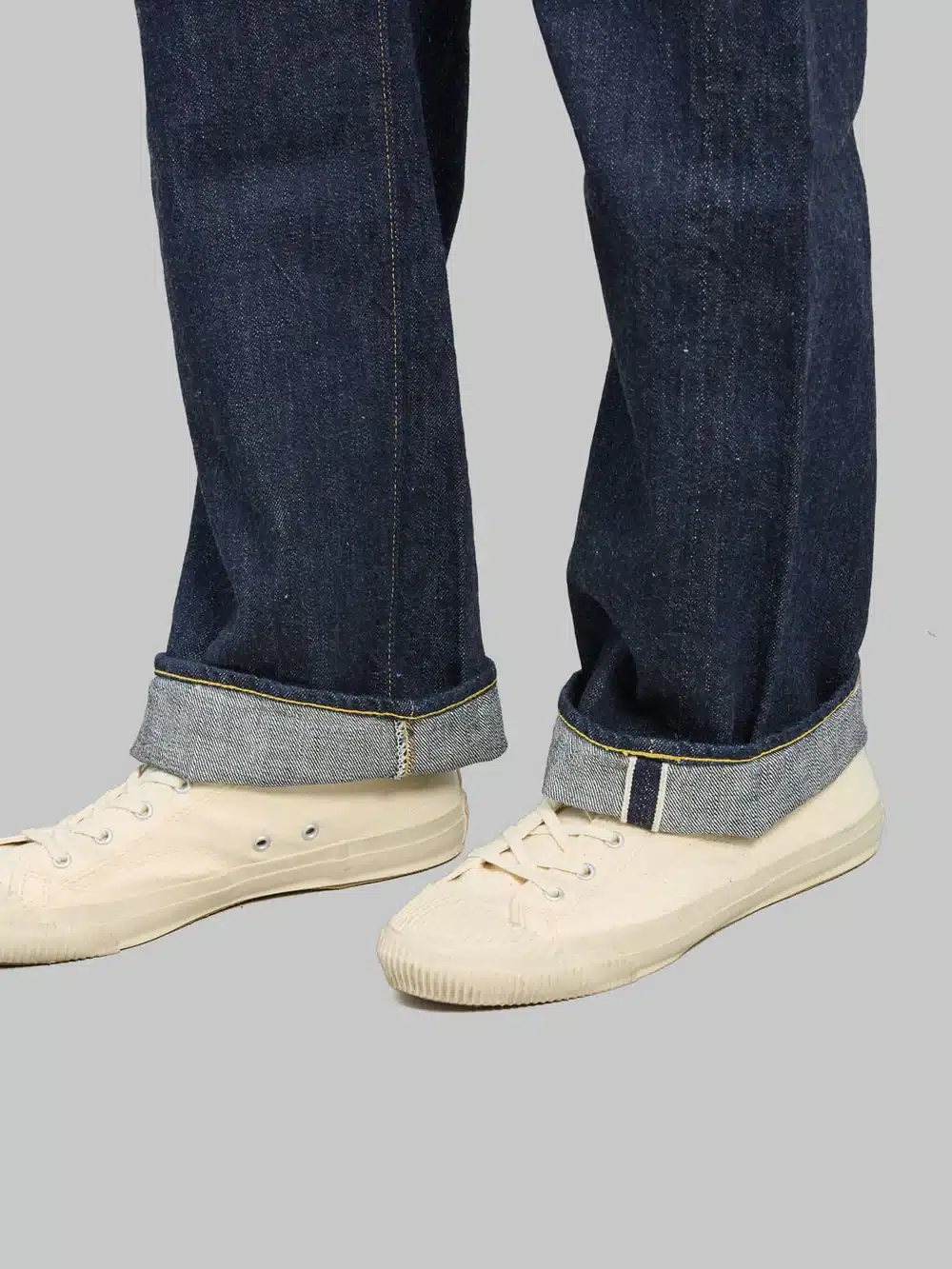
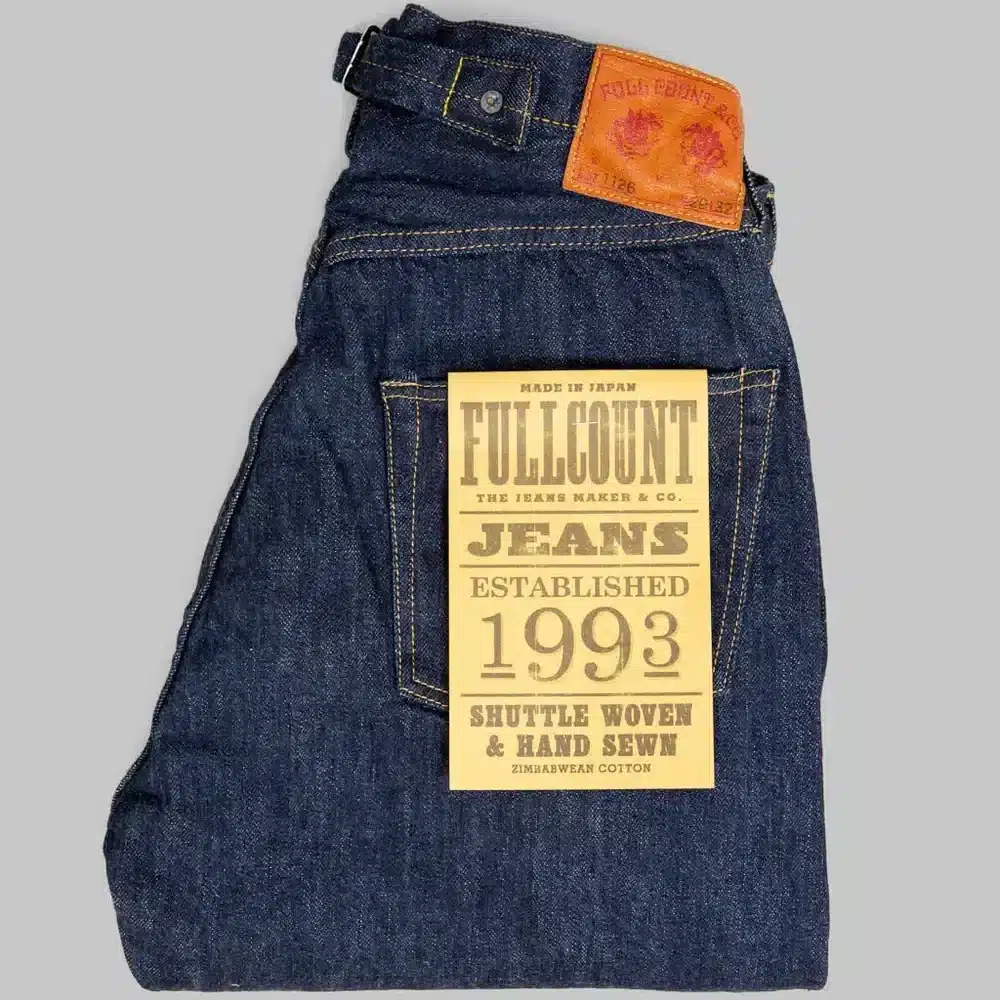
The classic 13.7 oz. denim is worth mentioning too. It sits above the strict lightweight line, but the long-staple cotton and looser weave make it feel softer and less restrictive than the number suggests.
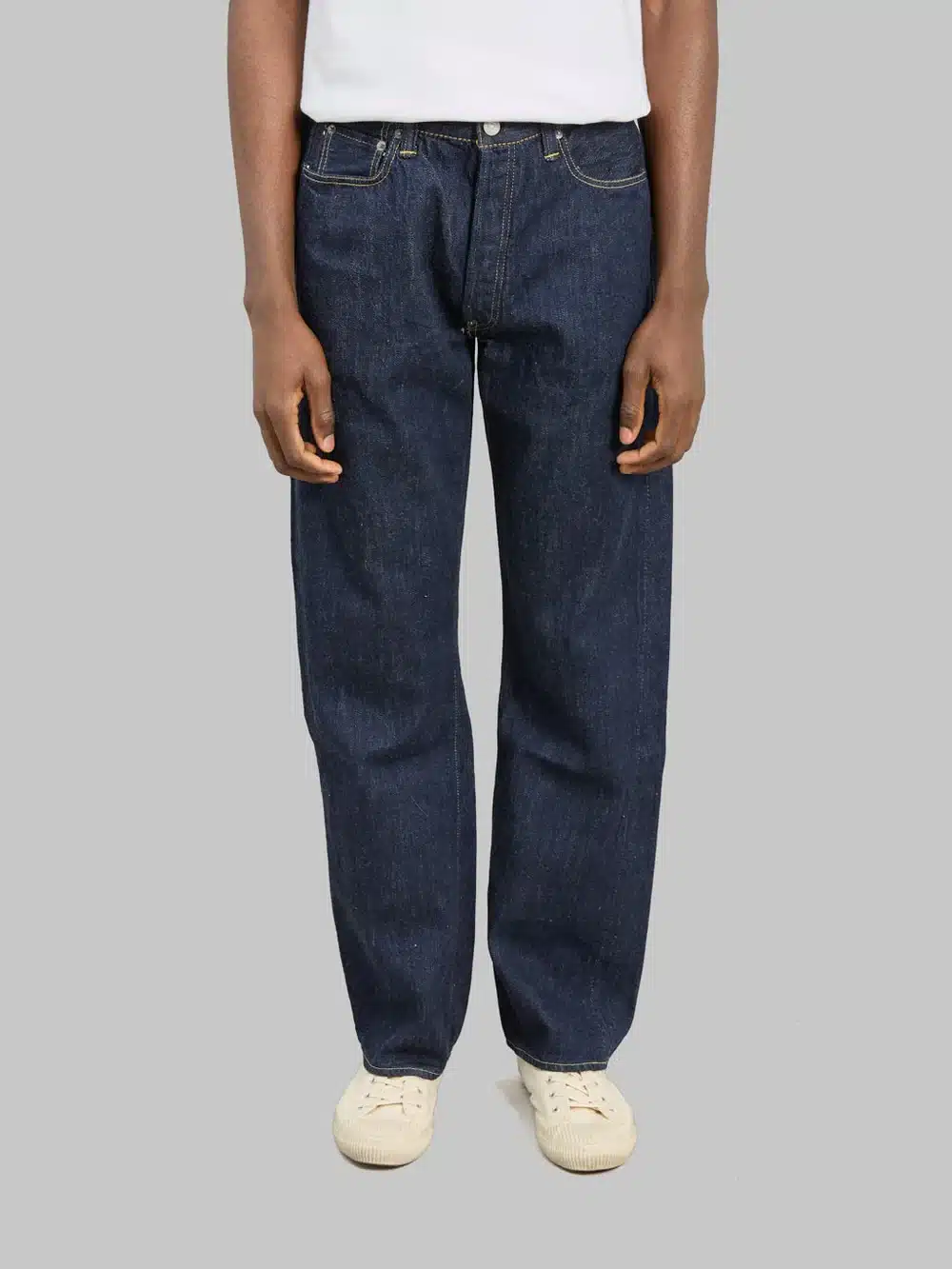
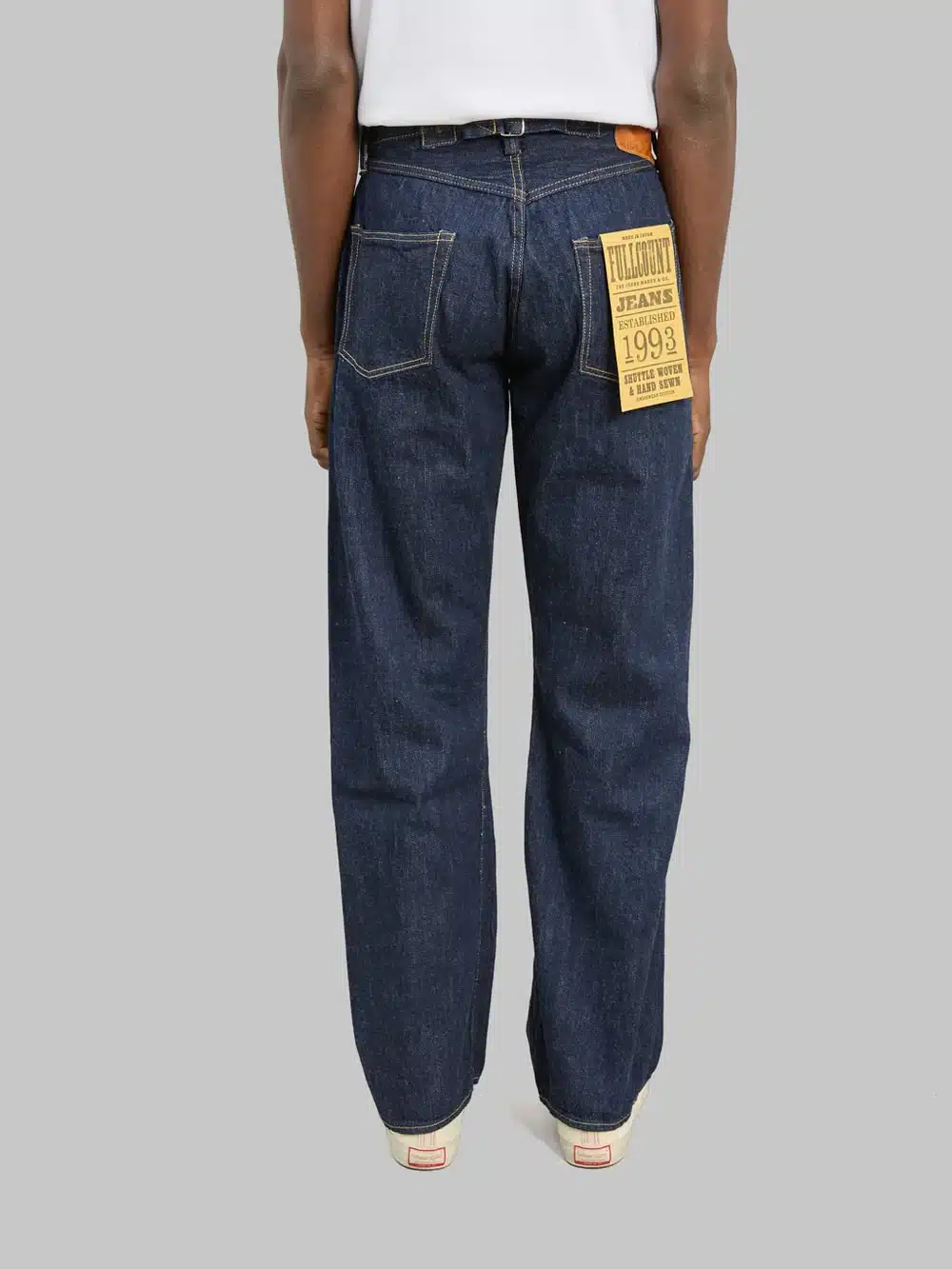
The 1101 is the fit I’d look at first: slightly higher rise, roomy leg, and a subtle taper at the ankle. If you want more width, the 1126 goes fuller with an earlier workwear shape.
The jeans are made in Okayama, Japan, finished with goatskin leather patch, copper rivets, and 100% cotton thread construction.
Buy Fullcount at Redcast Heritage (ES), Blue in Green (US), Cultizm (DE), Clutch Café (UK)
Gustin – From 6 oz. ($)
Few brands release lightweight selvedge as regularly as Gustin. The fabrics change constantly, which is part of the appeal: you’re not buying from a fixed range, you’re watching for the right drop.


At the extreme end, Gustin has released a 6 oz. Japanese featherweight—among the lightest selvedge denims I’ve come across.
More commonly, lightweight options appear in the 10–12 oz. range, often at prices that undercut comparable Japanese and American-made jeans.


The Vintage Straight is the fit I’d look at first. High rise, full top block, straight leg with no taper, and enough room to make the most of a lighter fabric.
All jeans are cut and sewn in California, finished with a stamped leather patch and contrast stitching.
I’ve reviewed Gustin’s jeans here—worth a read before you back a campaign.
Momotaro – 11 oz. ($$$)
Momotaro has changed since its parent company, Japan Blue Group, was acquired by private equity—but the Tokuno Blue selvedge still feels like the kind of fabric-first move that made the brand matter in the first place.

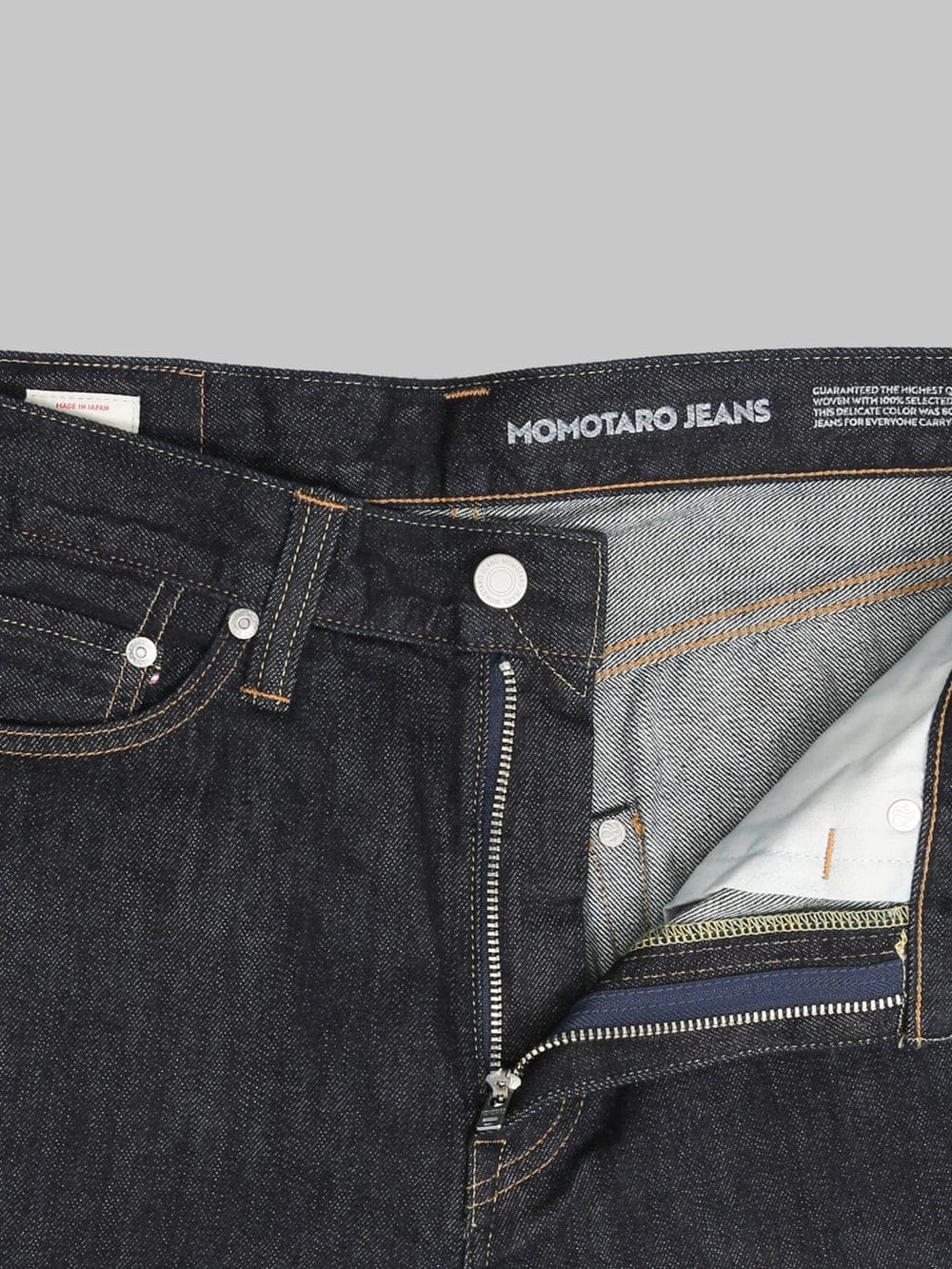
At 11 oz., it pairs Zimbabwe cotton in the warp with Suvin Gold in the weft. Because the weft sits against the skin, the result is unusually soft and breathable without losing the depth and fade potential Momotaro is known for.
It’s one of the few lightweight fabrics in the guide that feels genuinely different rather than simply lighter.
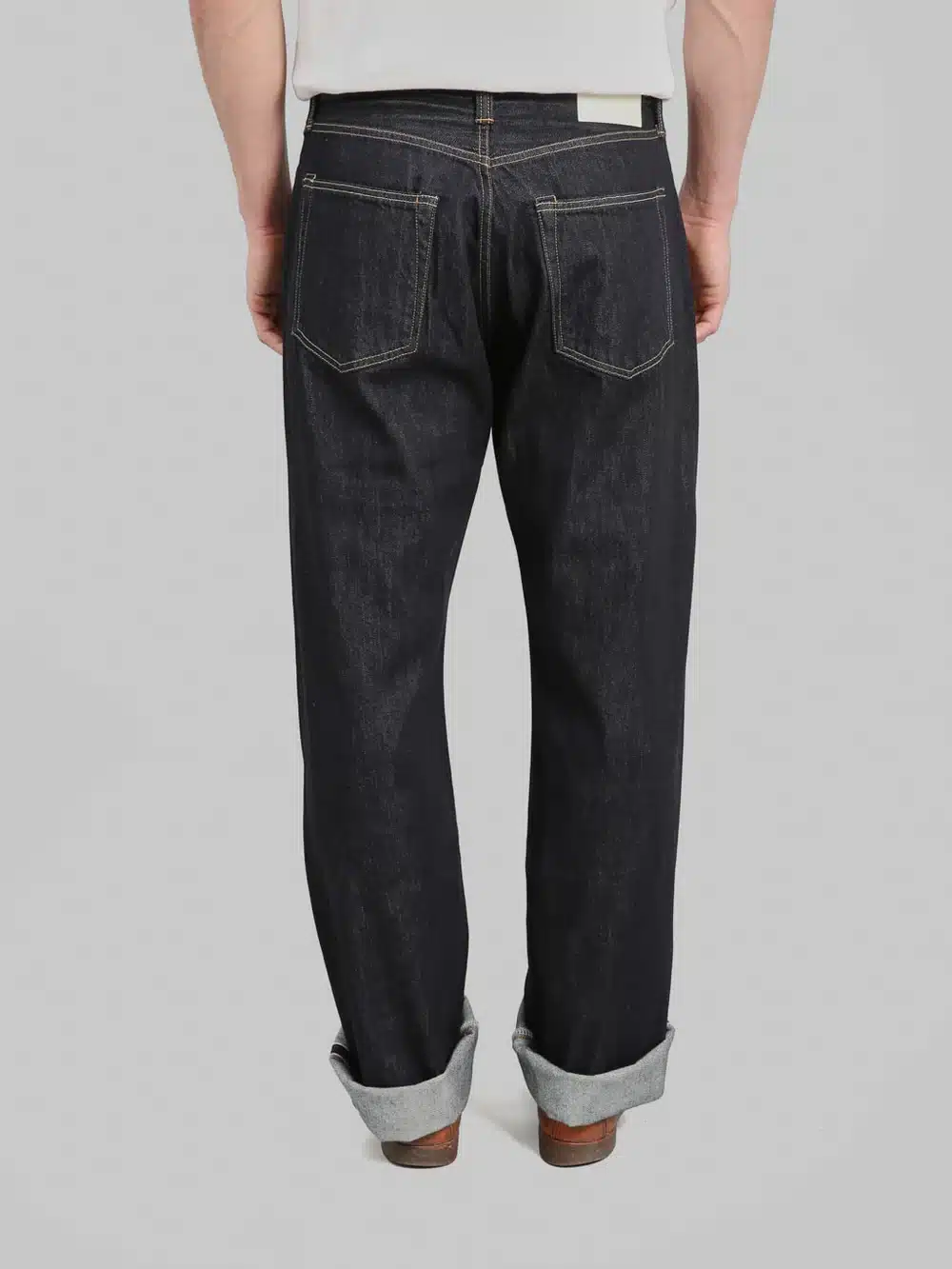

Three fits are available in the lightweight fabric: straight, tapered, and wide. All sit high on the waist. For maximum airiness, the wide #400 is the one I’d look at first.
Made in Kojima, finished with peach selvedge ID, flush-set rivets, and white cowhide leather patch.
Momotaro is stocked at: Redcast Heritage (ES), Cultizm (DE), Franklin & Poe (US), Division Road (US), Hinoya (JP), Blue Beach Denim (TW), DeeCee Style (CH)
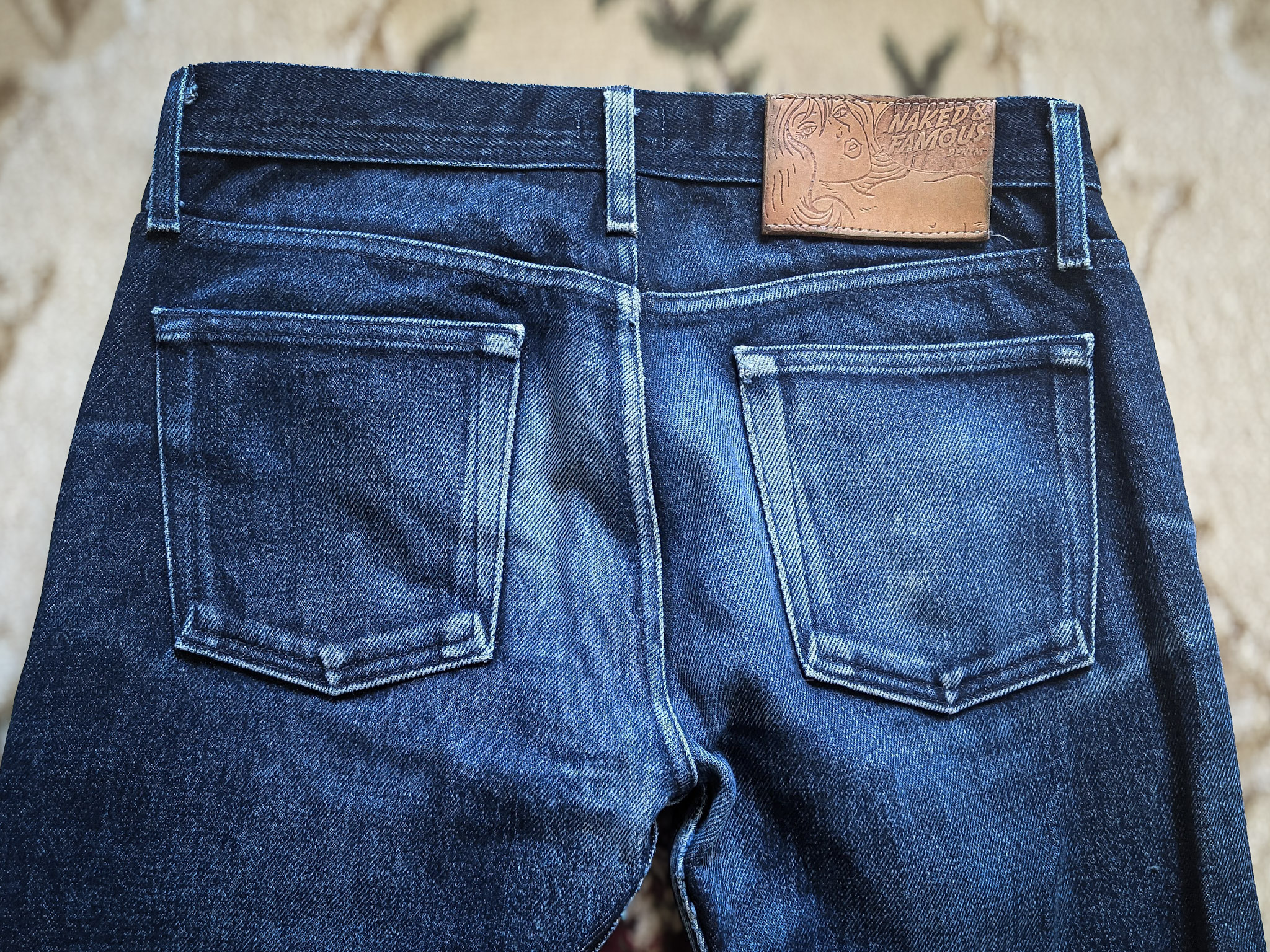
Naked & Famous – From 11 oz. ($$)
Few brands approach selvedge with the same curiosity as Naked & Famous. All fabrics are woven in Japan on shuttle looms, but the lineup is constantly evolving—and lighter-weight options appear often enough that there’s usually something interesting to try.
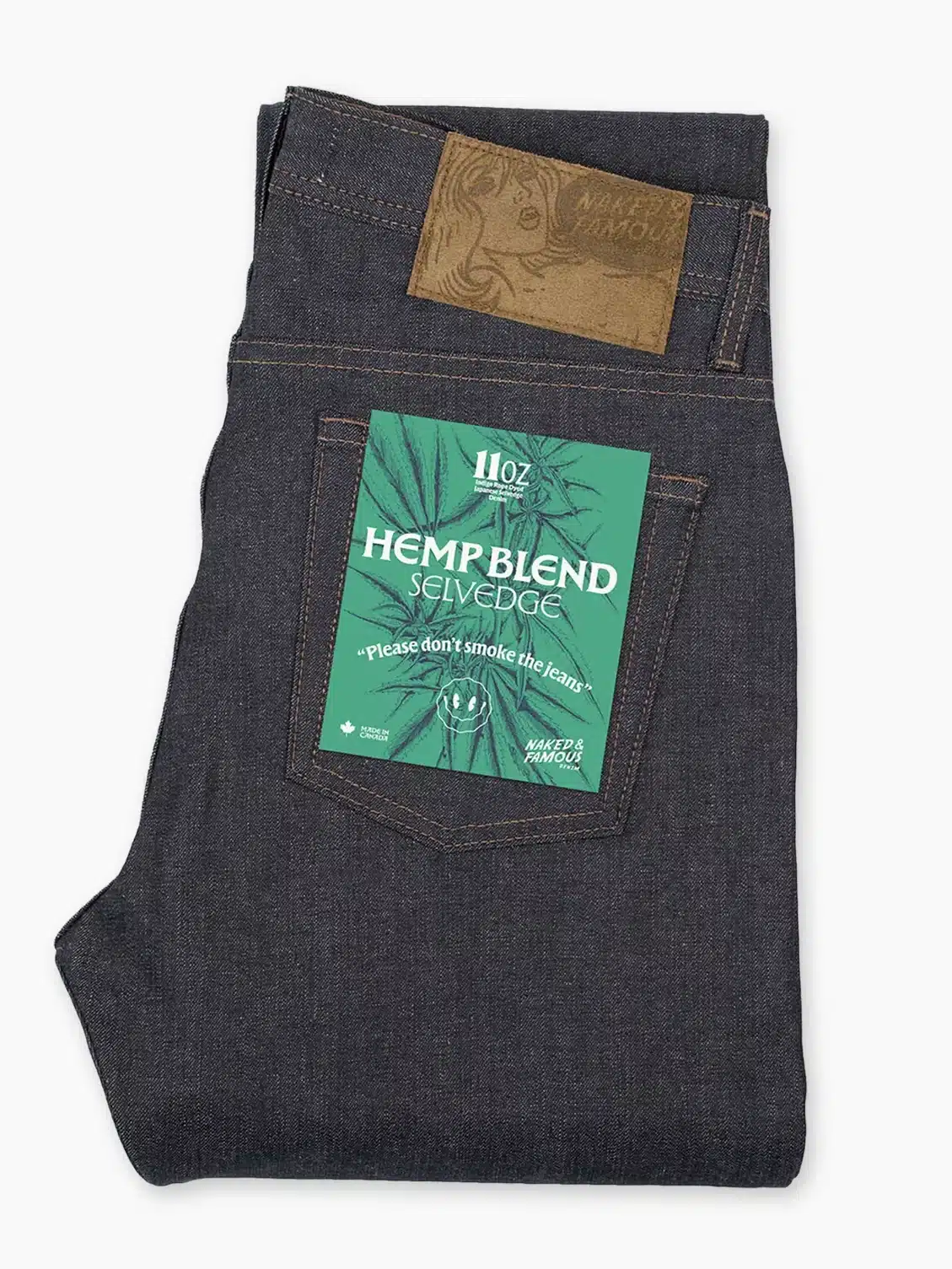
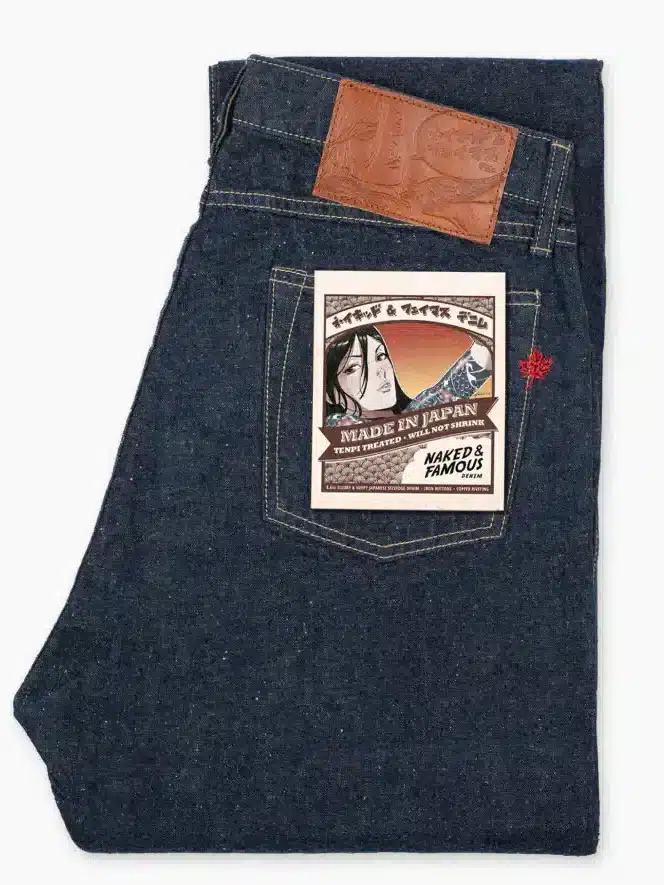
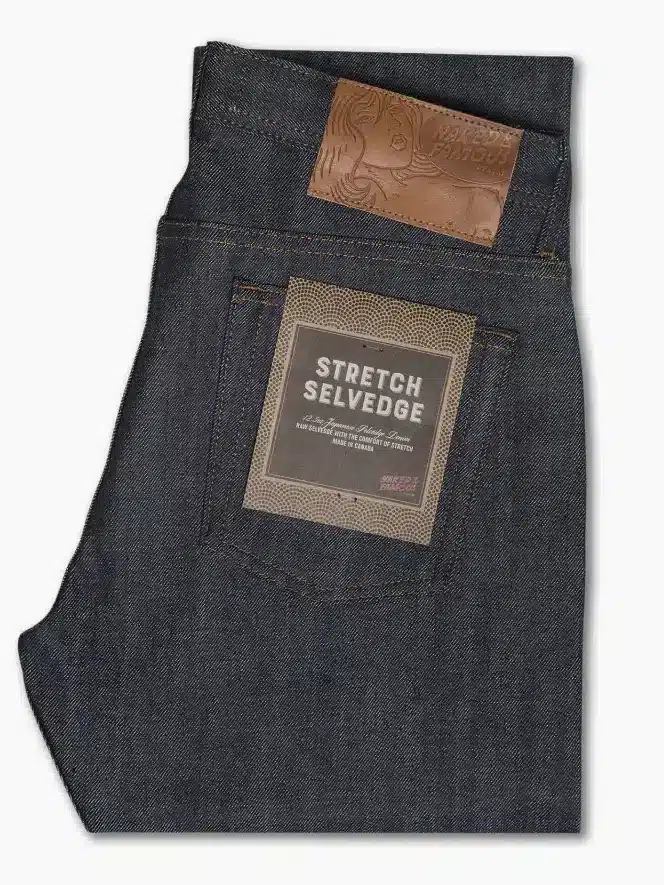
The range includes denim around the 11–12 oz. mark, alongside hemp blends, natural indigo, and other seasonal fabrics.
If you’re curious about lightweight raw denim but not yet sure what kind of fabric you prefer, Naked & Famous is one of the easiest places to find out.
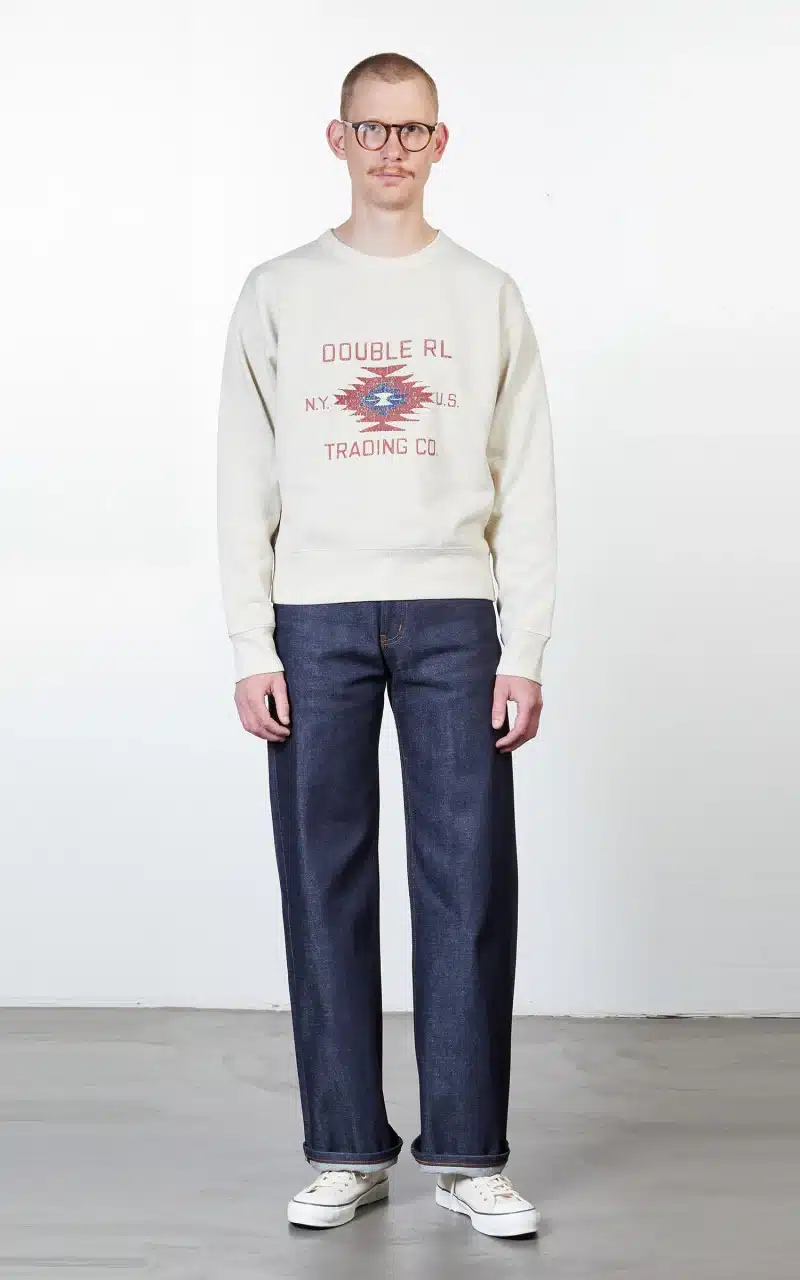
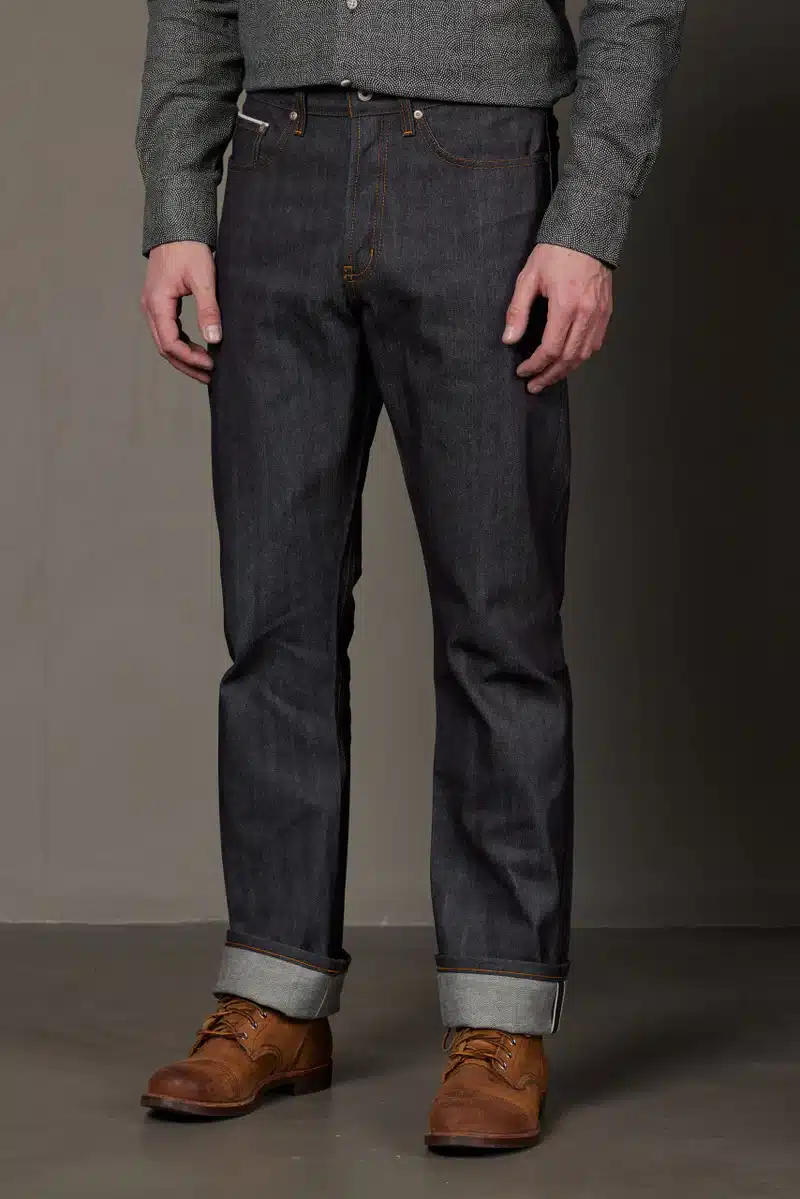
For warmer weather, I’d start with the Strong Guy or True Guy. Both offer more room through the seat and thigh, with a straight leg that lets a lighter fabric do its job.
Most jeans are cut and sewn in Canada, with select styles fully made in Japan as part of the MIJ line. Expect contrast stitching, leather patch, and plenty of fabric personality.
Naked & Famous is available at: Cultizm (DE), Blue Beach Denim (TW), and DeeCee Style (CH).
Unbranded – 11 oz. stretch ($)
The no-logo offshoot of Naked & Famous, Unbranded makes Japanese selvedge accessible. There’s a lightweight 11 oz. stretch selvedge that offers an easy entry into raw denim without losing the character that makes selvedge worth wearing.


Finished with selvedge ID, leather patch, hidden rivets, and Union Special chain-stitched hems.
Unbranded is available at: Cultizm (EU) and Blue Beach Denim (TW)
KATO – 10.5 oz. stretch ($$)
KATO has spent a decade questioning whether raw selvedge really needs to be stiff and restrictive to be authentic. Their answer is the 4-WAY STRETCH SELVEDGE™—stretch in both warp and weft, woven in Japan, where most stretch denim only adds elasticity to the weft.

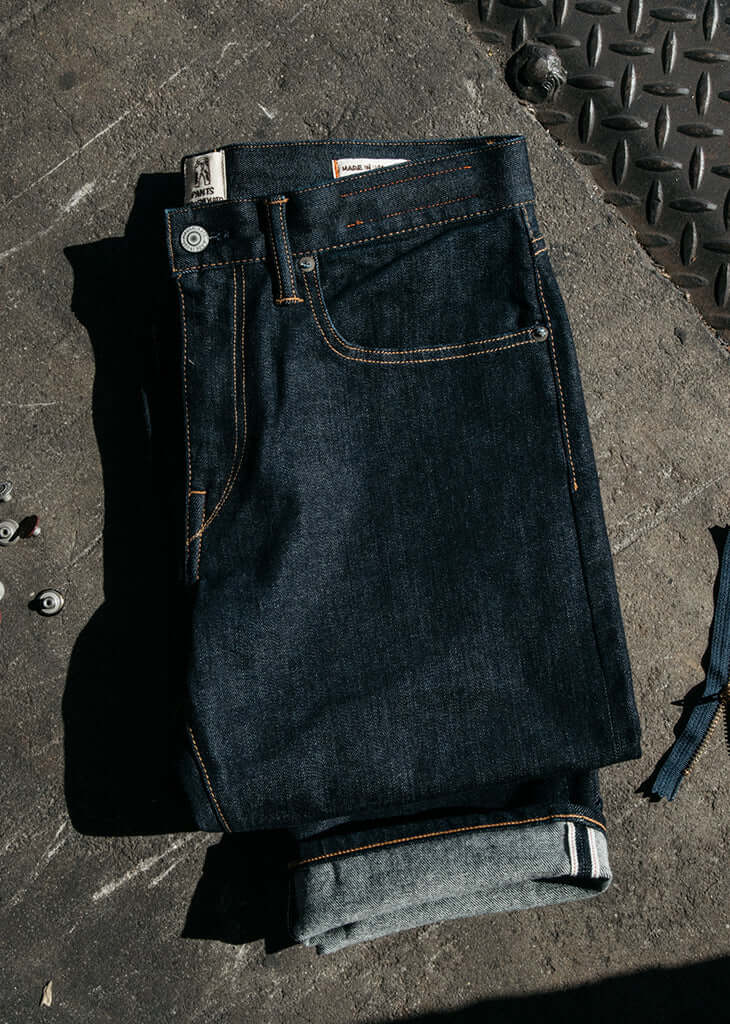
It wears and fades like selvedge while moving with you from day one. For 100% cotton purists, KATO also offers a 12.5 oz. Natural Slub Indigo.
It’s the more traditional route: textured, slower to soften, and closer to vintage denim than the brand’s comfort-focused stretch fabrics. It will break in, not immediately.
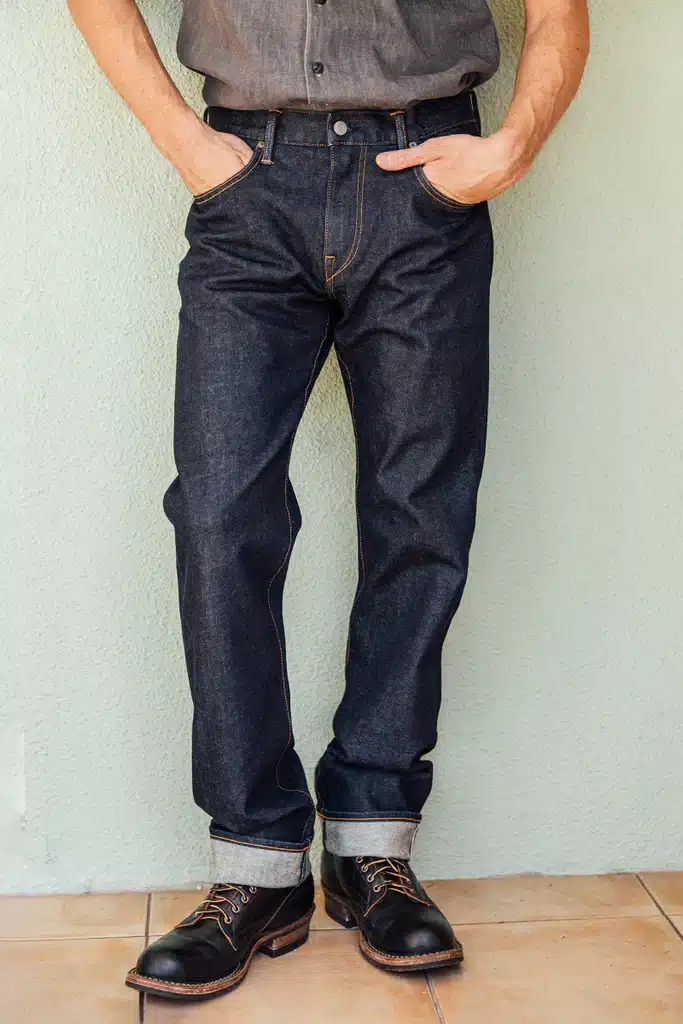

The Hammer straight cut is the one I’d look at first. Medium rise, slight taper, and enough room to keep the comfort story intact.
All jeans are cut and sewn in LA from Japanese denim.
For the deeper story behind the brand and its fabrics, read my KATO profile.
orSlow – 12 oz. ($$$)
Most brands develop fabrics and fits separately—you pick a cut, you pick a cloth. orSlow works differently. Each model feels developed as a complete product, with the fabric, fit, and even details all pointing in the same direction.
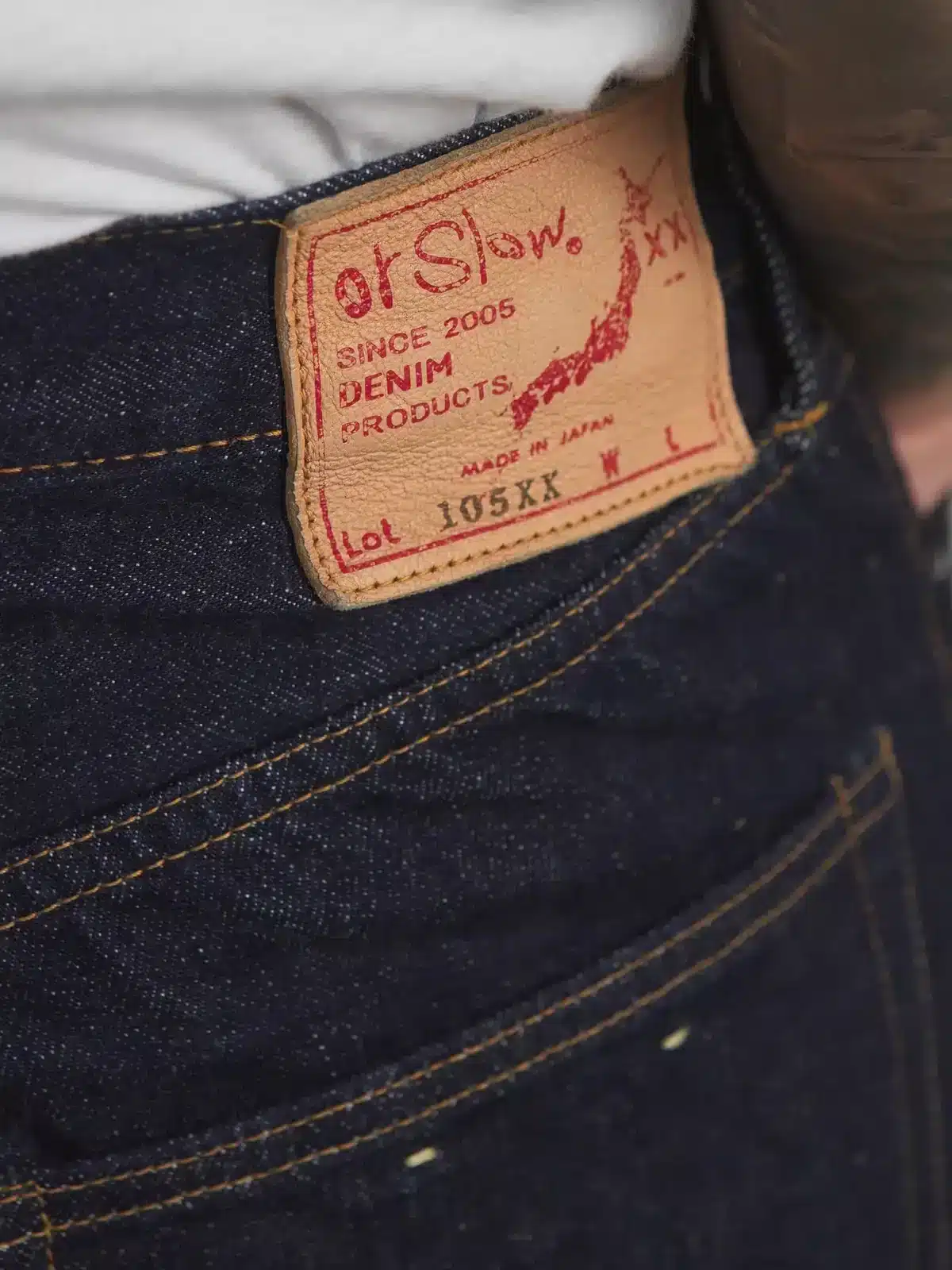
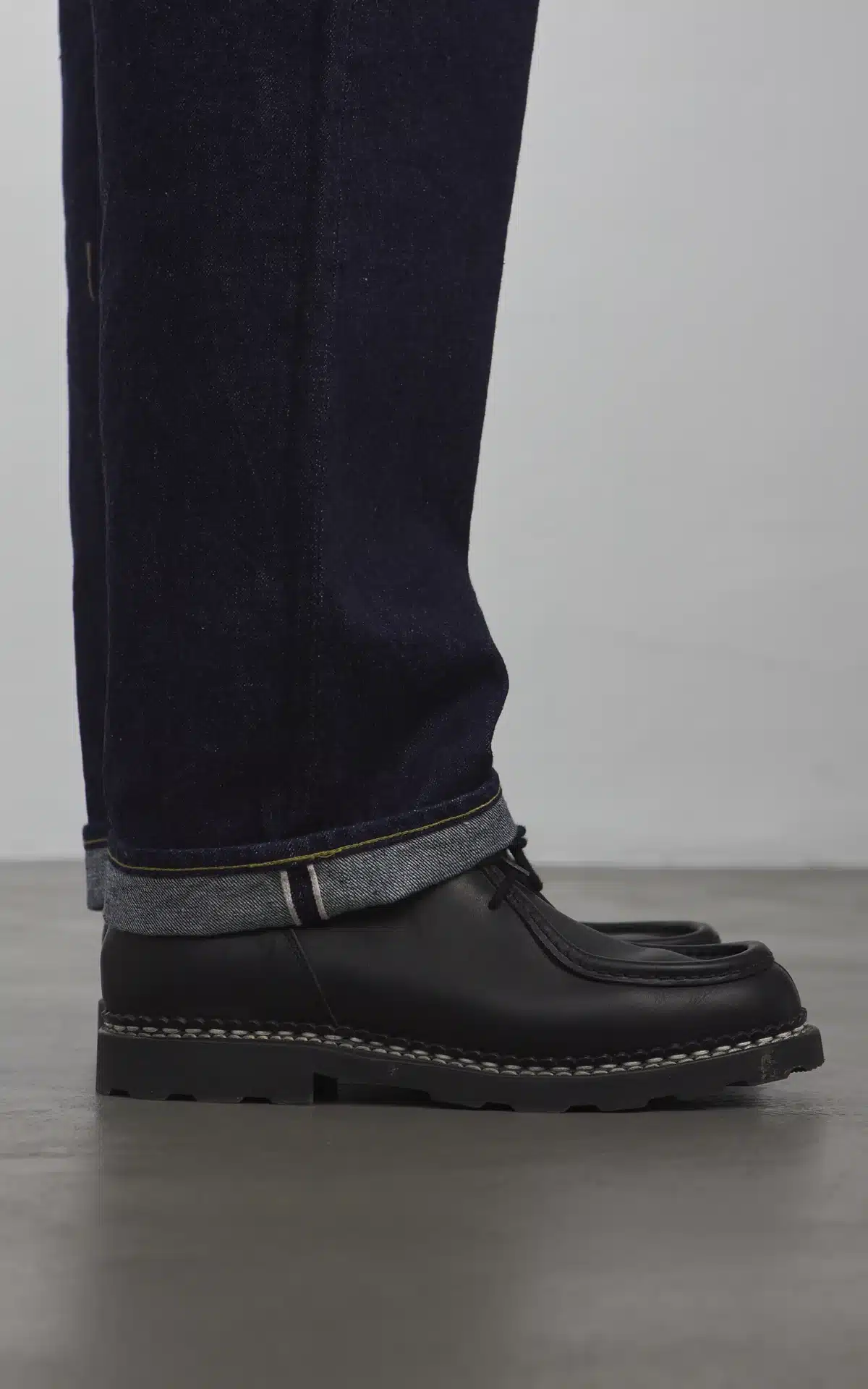
The Grand Dad is the true lightweight option: 12 oz. selvedge, one-washed, soft from day one, with a cinch back referencing late 1800s workwear construction. The broader range sits at 13.5–13.7 oz. but wears lighter than expected—loose weave, slubby yarn, low tension.

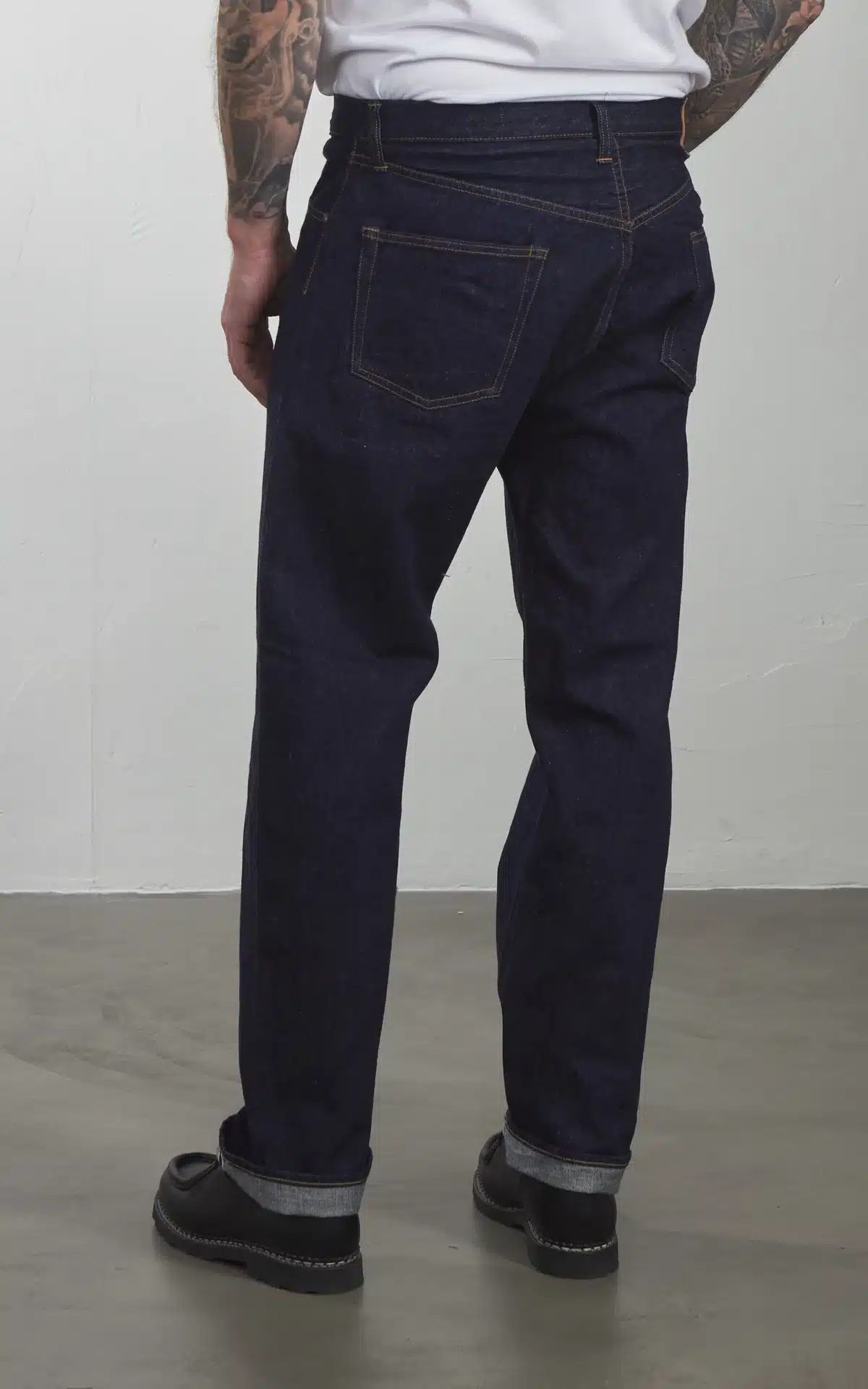
For lightweight wear, I’d stay with the roomier side of the range: the 105 Standard, Dad, or Grand Dad rather than the slimmer 107 Ivy.
Made in Japan, finished with leather patch, oxidised rivets, and quiet construction details like understated hardware, tonal stitching, and minimal branding that orSlow does so well.
orSlow is sold at Cultizm (DE) and Blue in Green (US)
Brave Star – From 11 oz. ($)
Built around American-made raw selvedge at accessible prices, Brave Star drops new fabrics regularly through pre-order runs—once they’re gone, they’re gone.
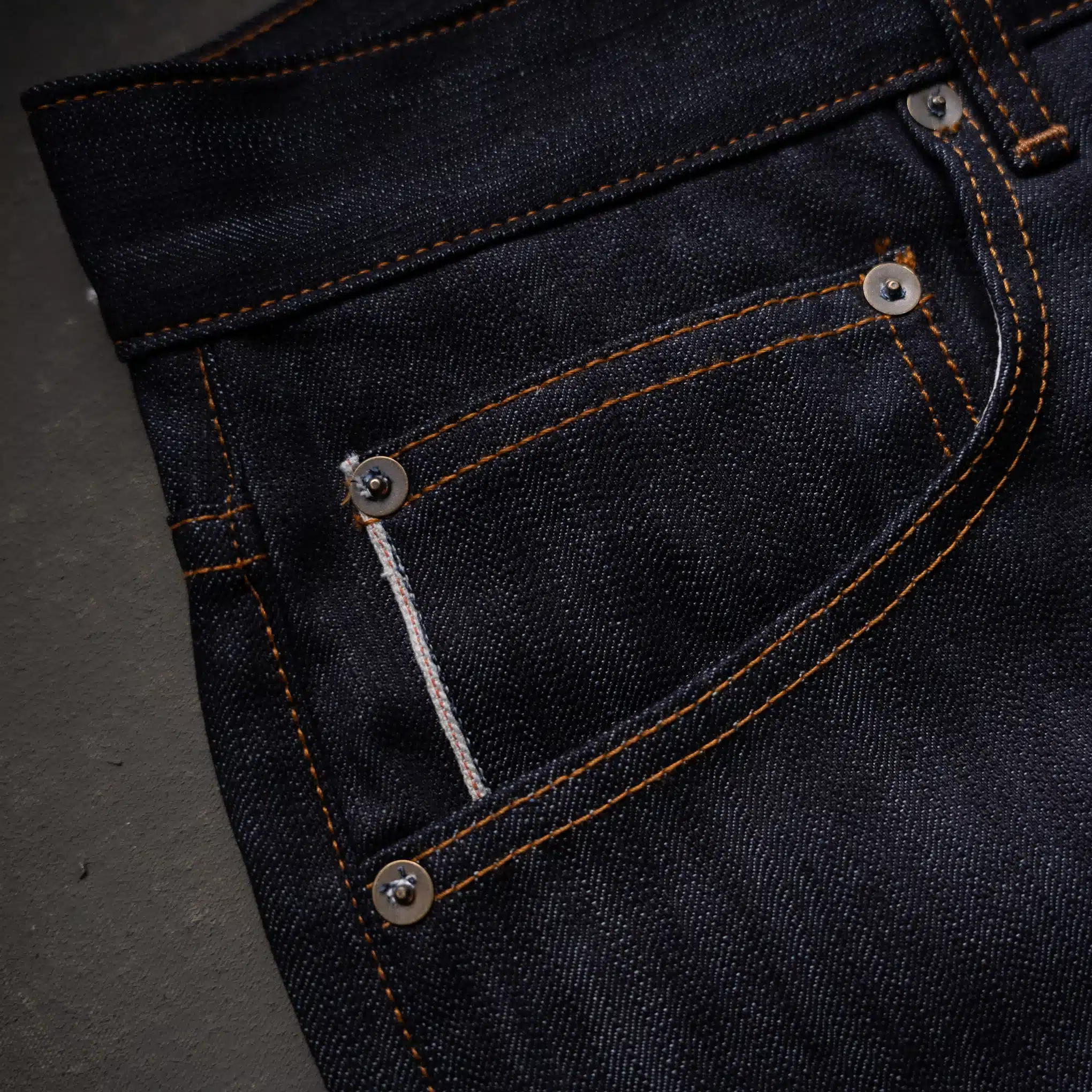
The 11 oz. Kaihara selvedge has tons of slubs, it’s crisp, relatively airy, and structured enough to feel more substantial than the weight suggests. That makes Brave Star useful if you want lightweight selvedge with a bit of bite, rather than something soft and drapey from day one.
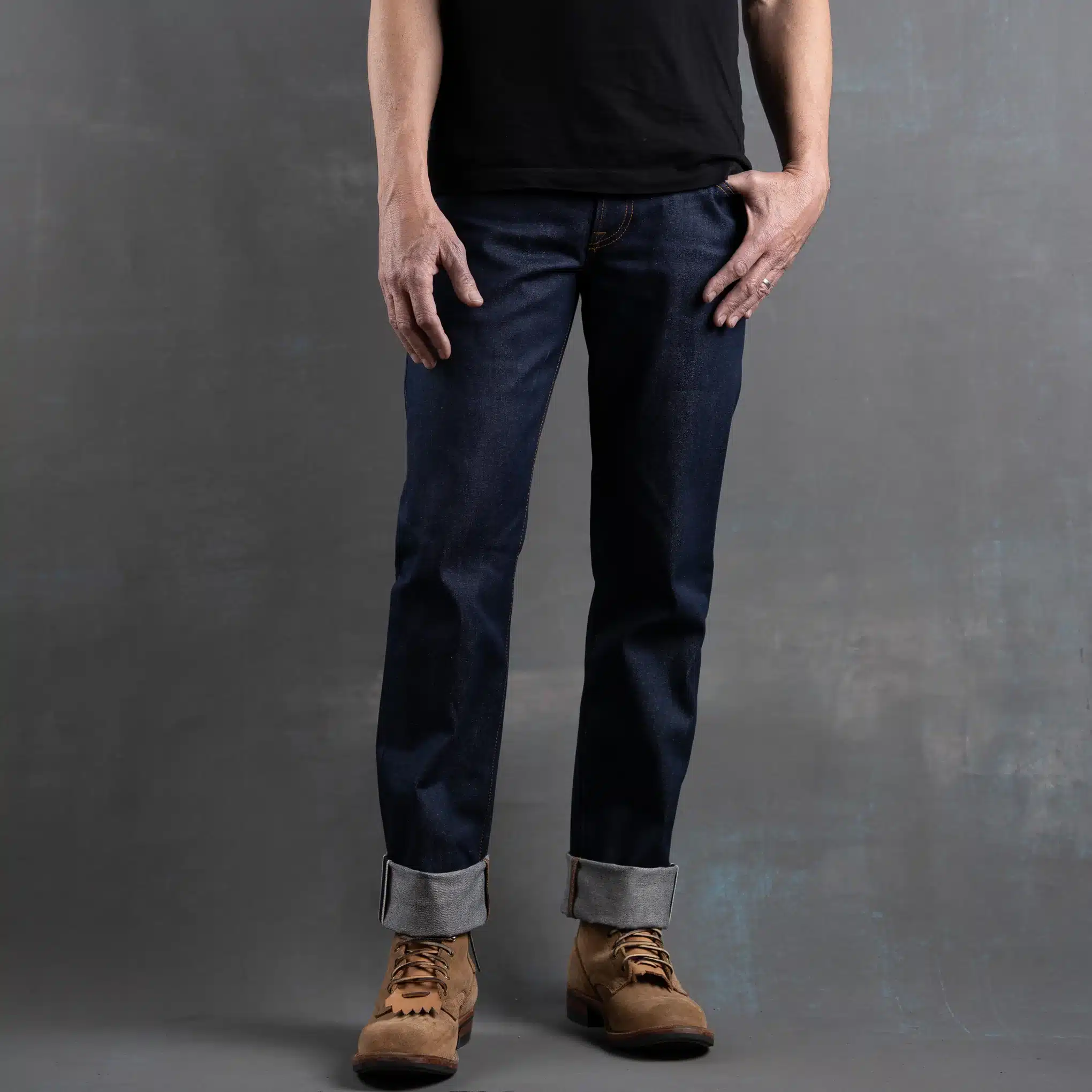
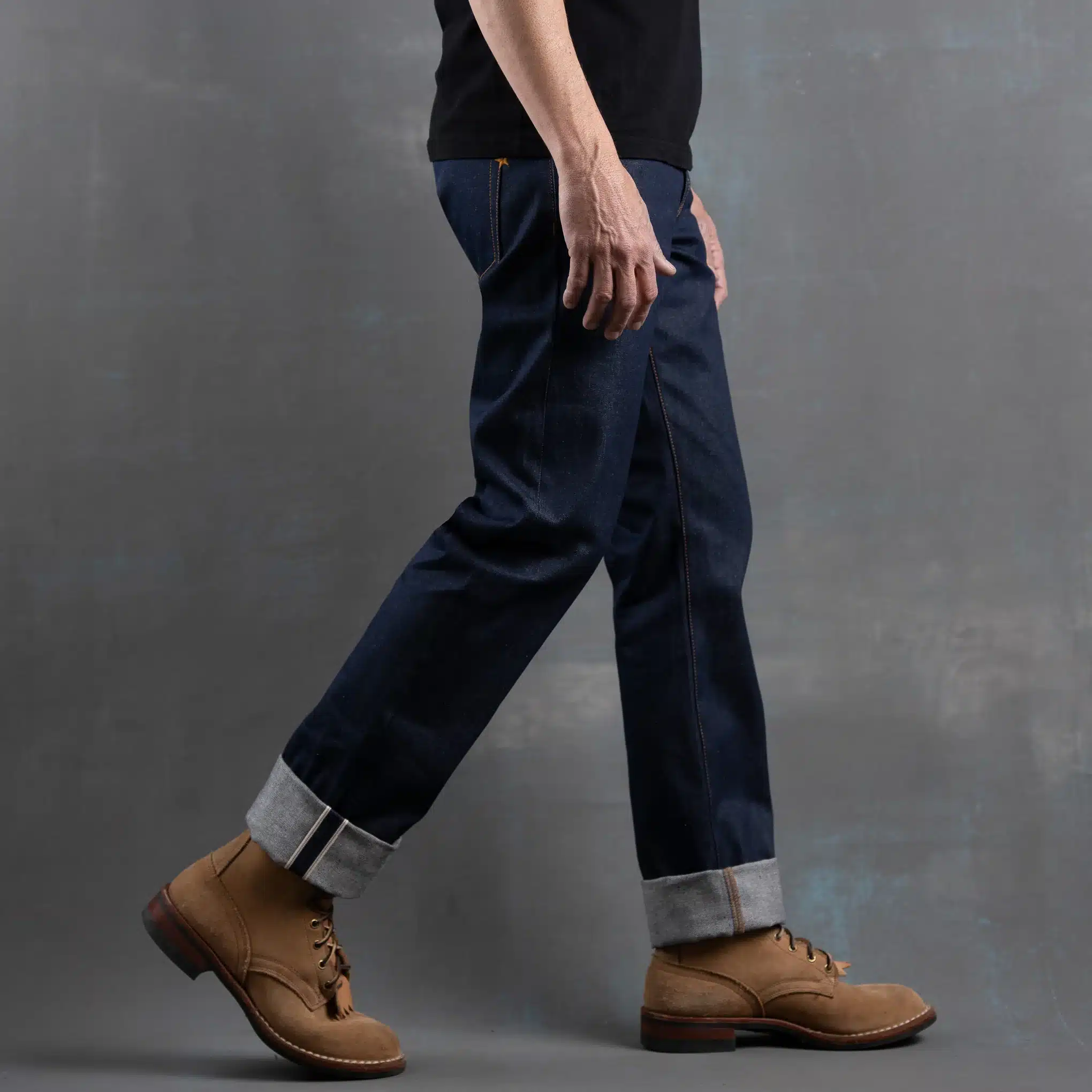
The True Straight is the fit I’d look at first: room from hip to hem. For more space in the seat and thighs, the Strongman’s contoured waistband is the one to look at.
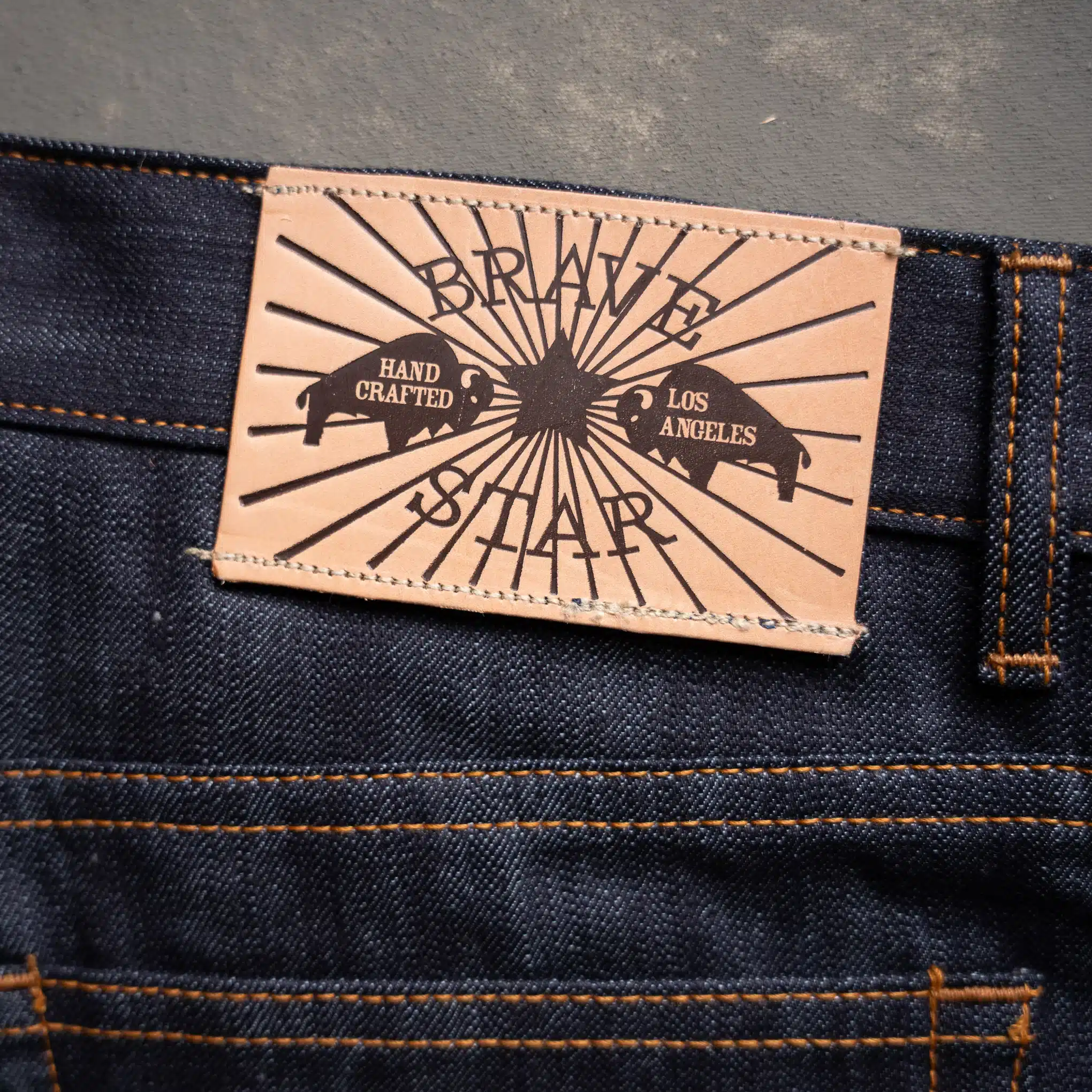
All jeans are cut and sewn in LA, finished with red-orange core-spun stitching and a stamped leather patch.
Read everything you need to know before buying Brave Star here.
SOSO Brothers – 8 oz. and up ($$$)
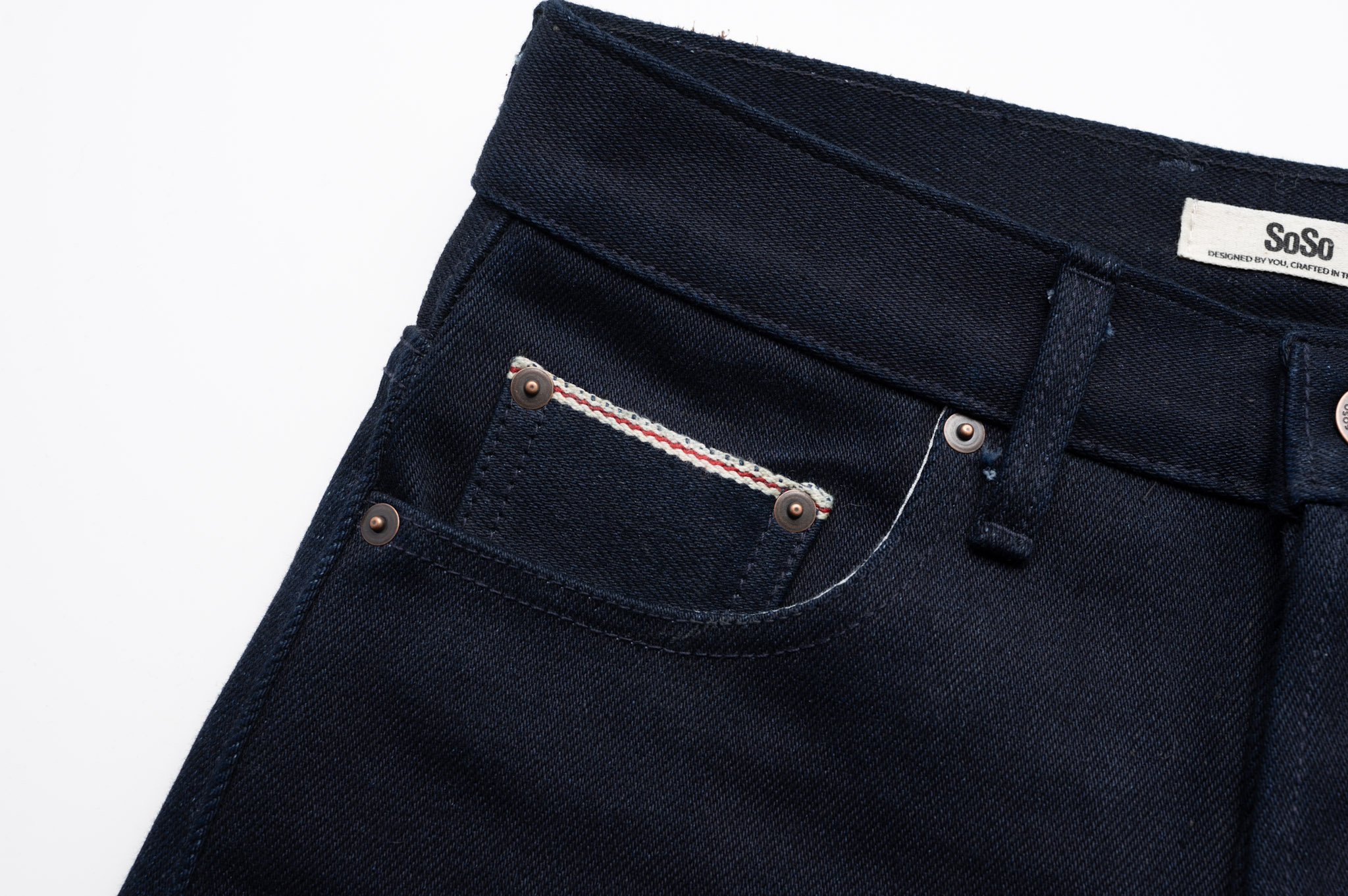
Every pair of SOSO jeans is made to order in the brand’s own Bangkok factory—your fabric, your fit, your details. There’s no stock, no shelf. You spec it, they build it.


The regular shop is the easiest place to start; the Builder is where things get serious, with more fabrics, more customisation, and full creative control. Lightweight options appear regularly, including chambray, stretch selvedge, and lighter indigo denims.
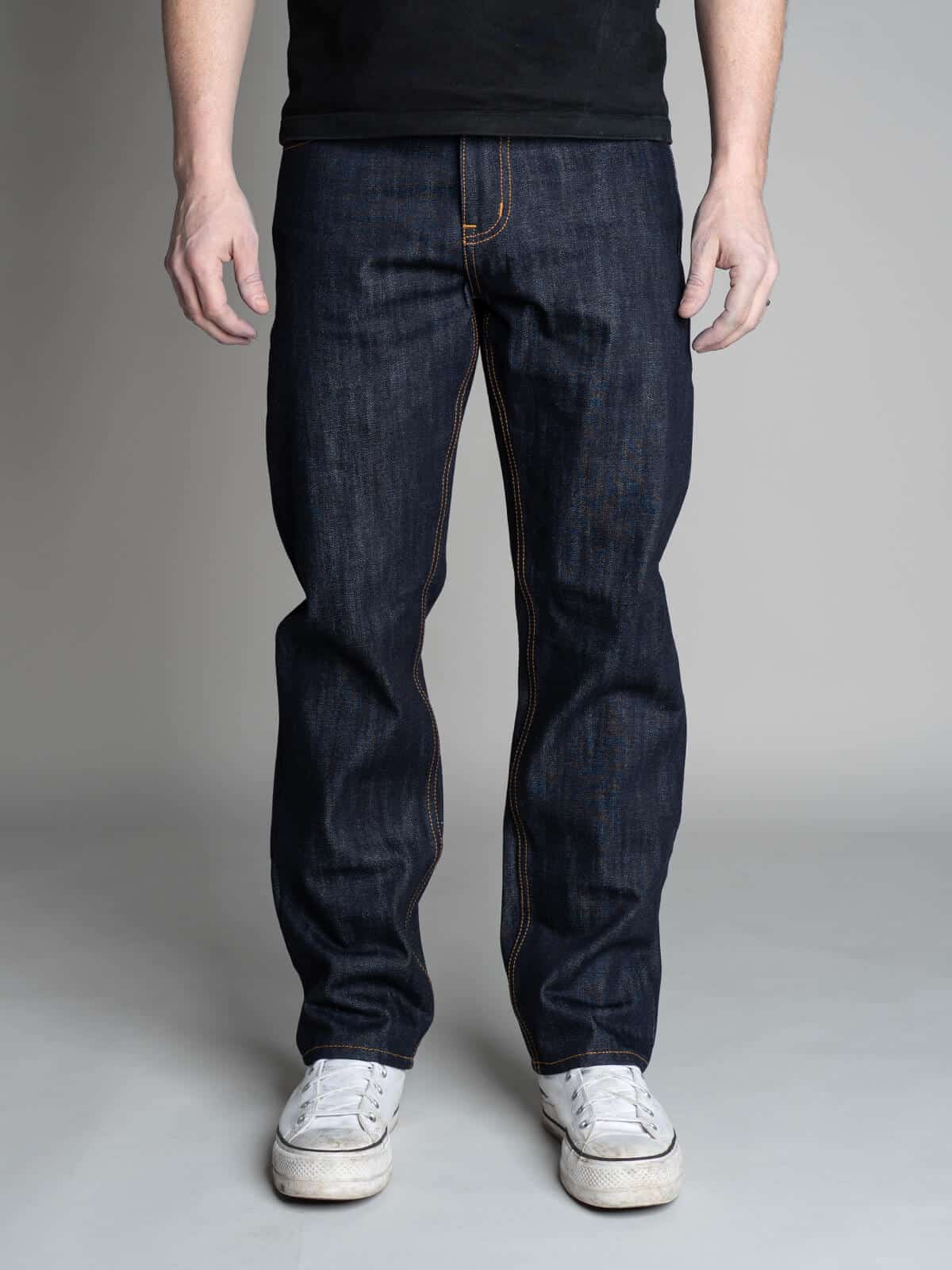
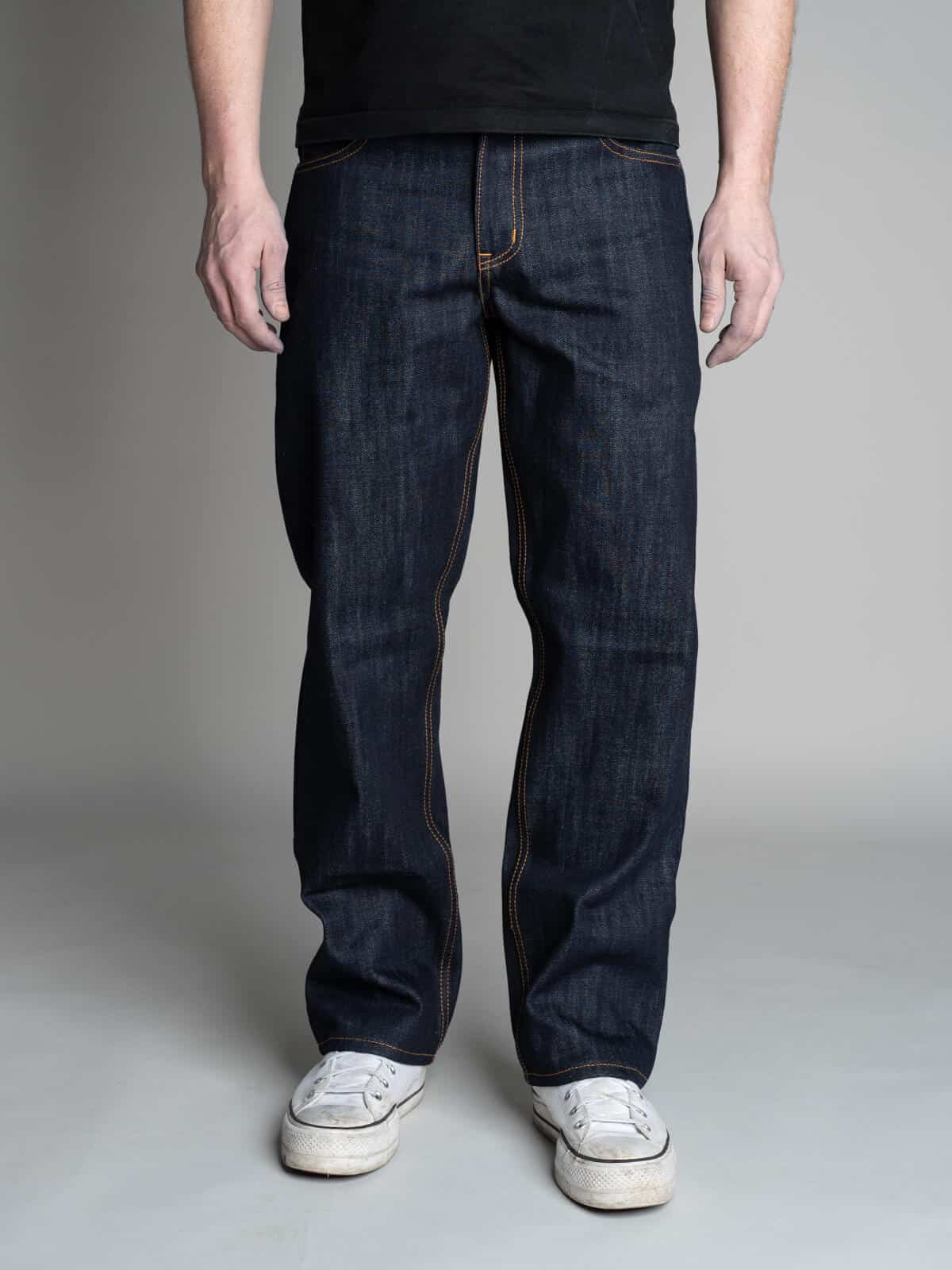
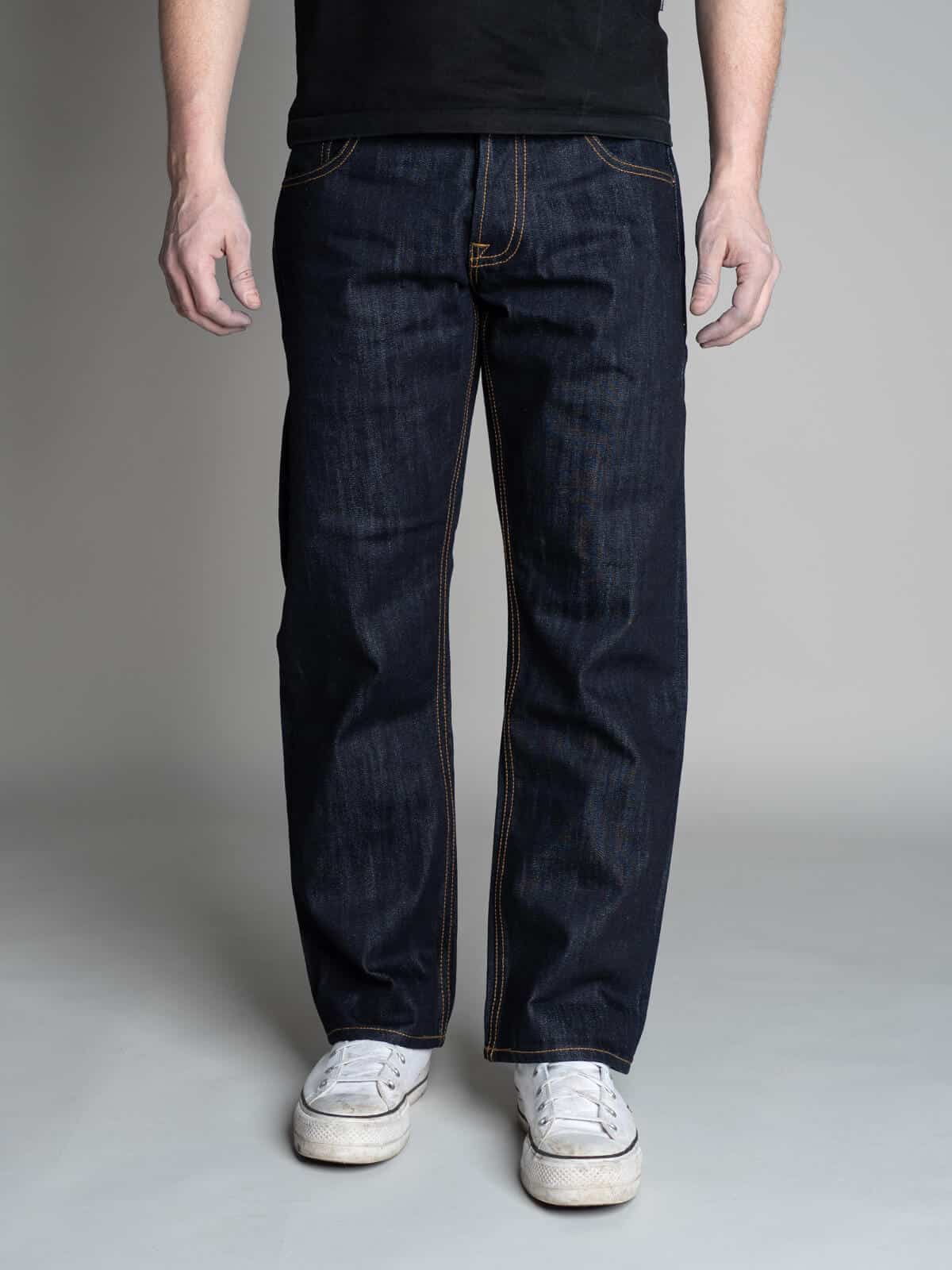
Because everything is made to measure, any suitable fabric can be paired with any fit. For something airy, I’d start with the roomier cuts: Regular Taper, Comfort Straight, Loose Tapered, or Relaxed.
Lead times are typically four to eight weeks. For jeans built specifically for you, that’s not long.
New to SOSO Brothers? Read my full buying guide before you start building.
Freenote Cloth – 12 oz. ($$$)
Freenote brings a more rugged American character to lightweight selvedge. The lighter fabrics still feel textured and substantial, just easier to wear than the brand’s heavier denims.
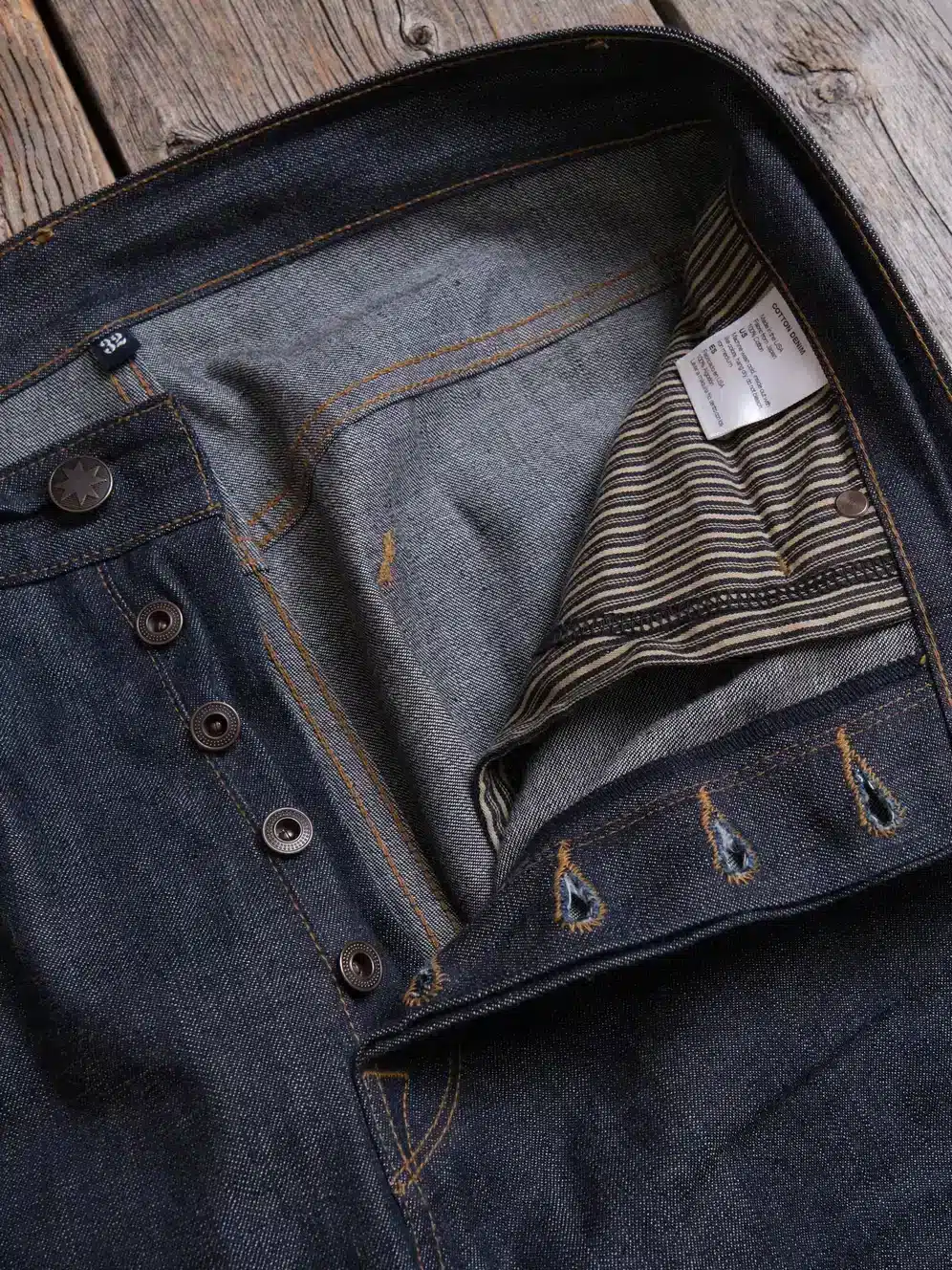
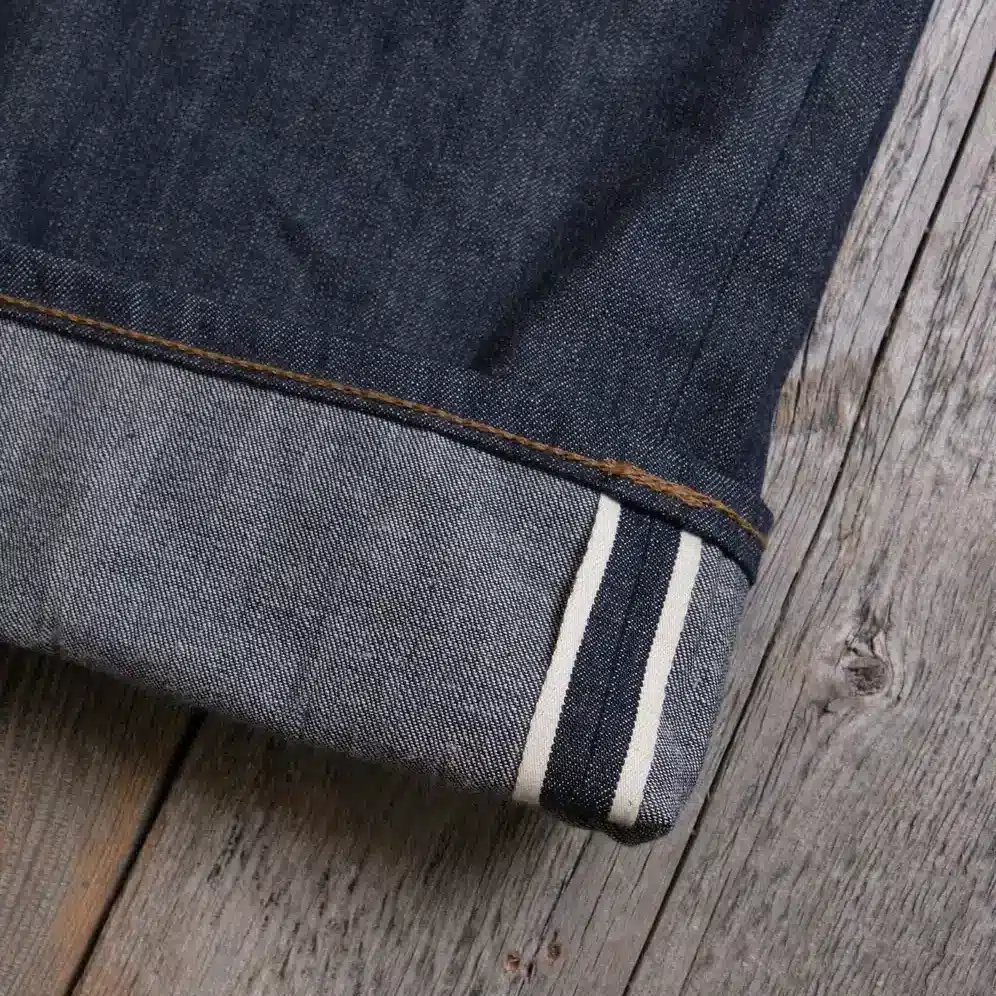
Options include an 11 oz. Japanese selvedge—breathable, textured, and structured enough to feel like Freenote rather than a thin summer jean—and a 12 oz. pale blue denim inspired by wartime-era fabric.
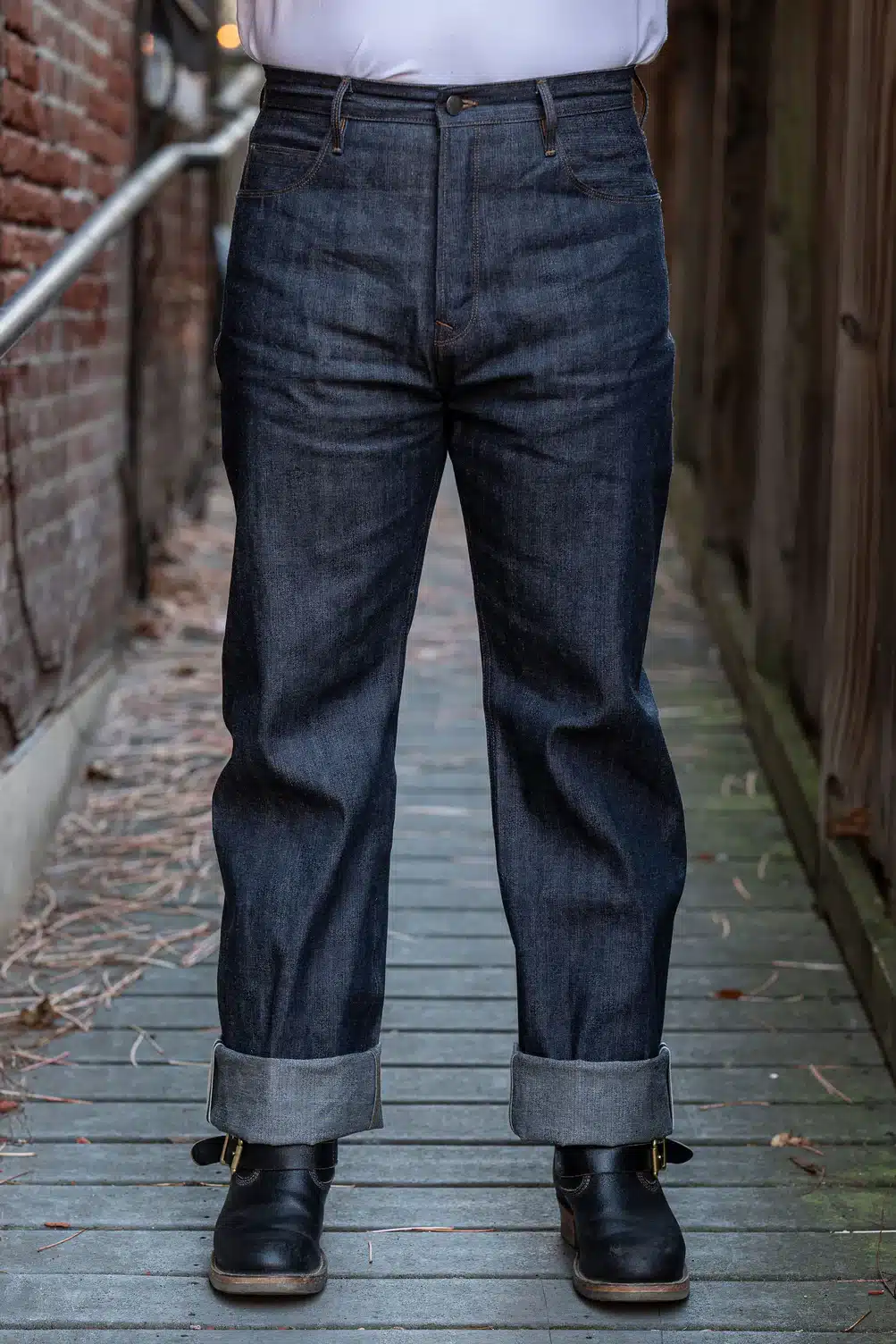
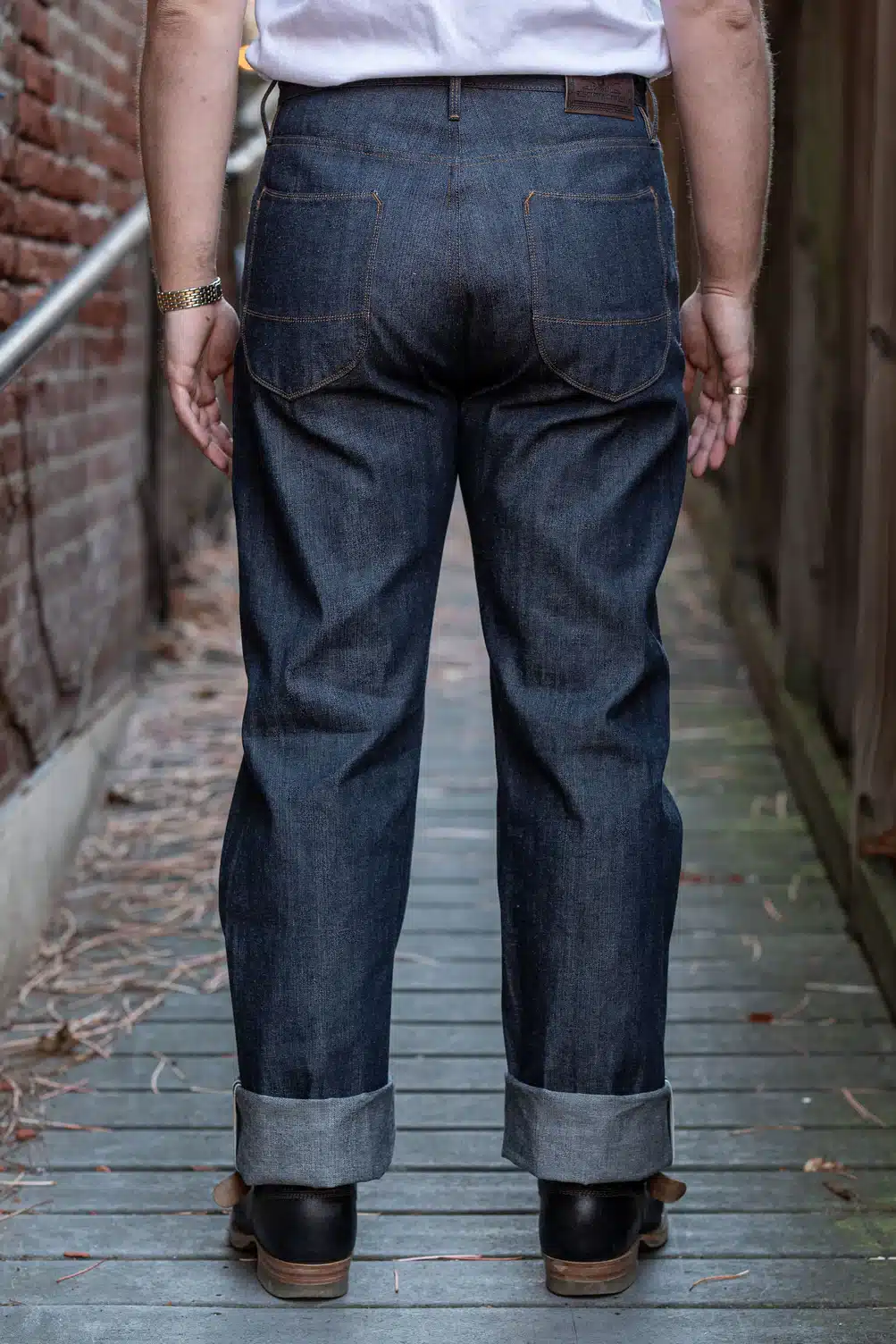
The Modesto is the most relaxed cut: high rise, wide straight leg, no taper. The Belford gives you a similar top block with a slightly different shape.
All jeans are cut and sewn in the USA. Some models feature flat-felled outseams—a construction detail worth knowing. And in my view, Freenote has the best label game in the business.
Freenote Cloth is available at: Redcast Heritage (ES), Franklin & Poe (US), Brooklyn Clothing Co. (CA)
Levi’s Vintage Clothing – 12 oz. ($$$)
LVC can do something no other brand can: reproduce the original 501 with the actual Levi’s name on it, drawn from the archive that defined blue jeans.
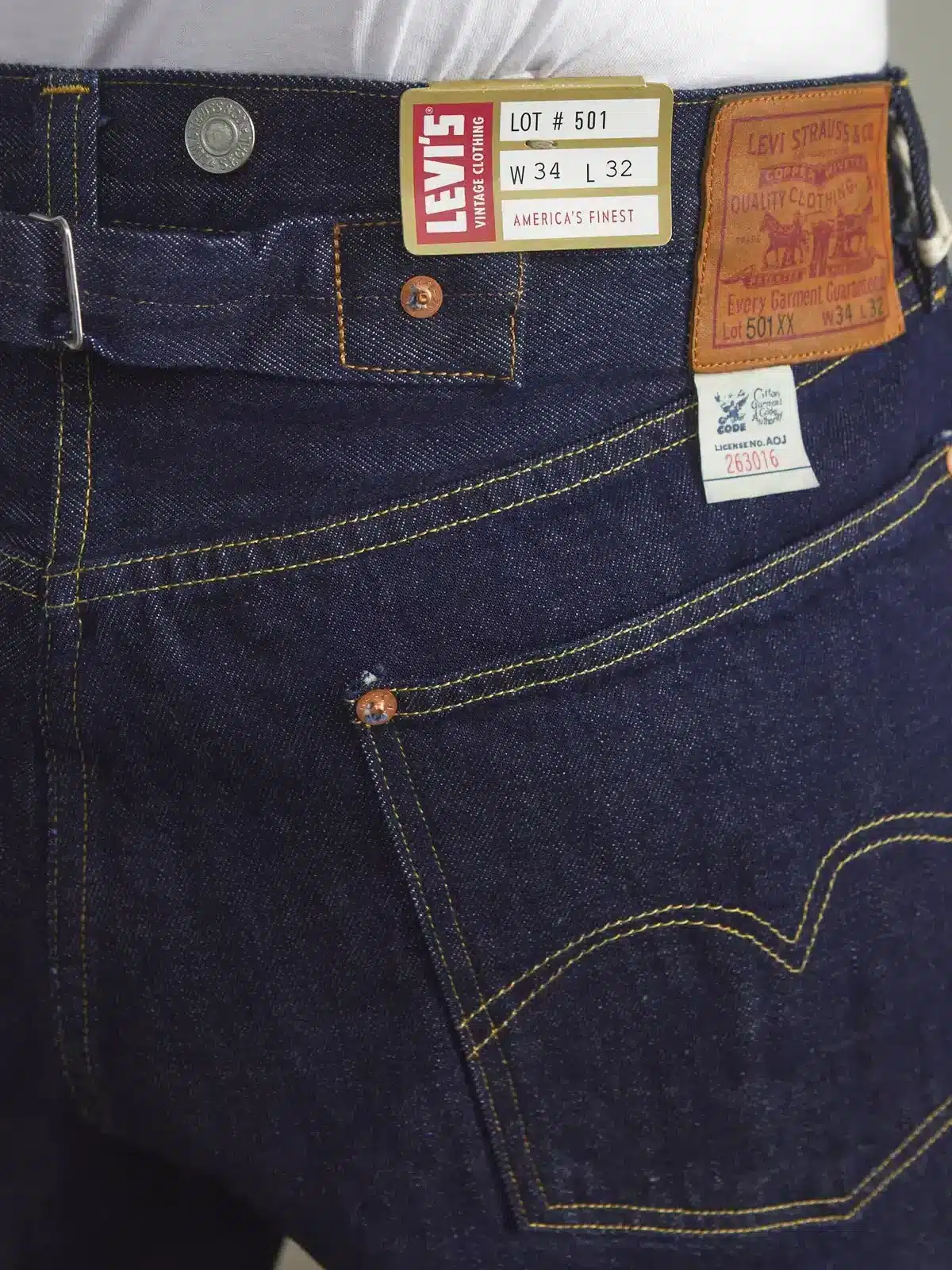
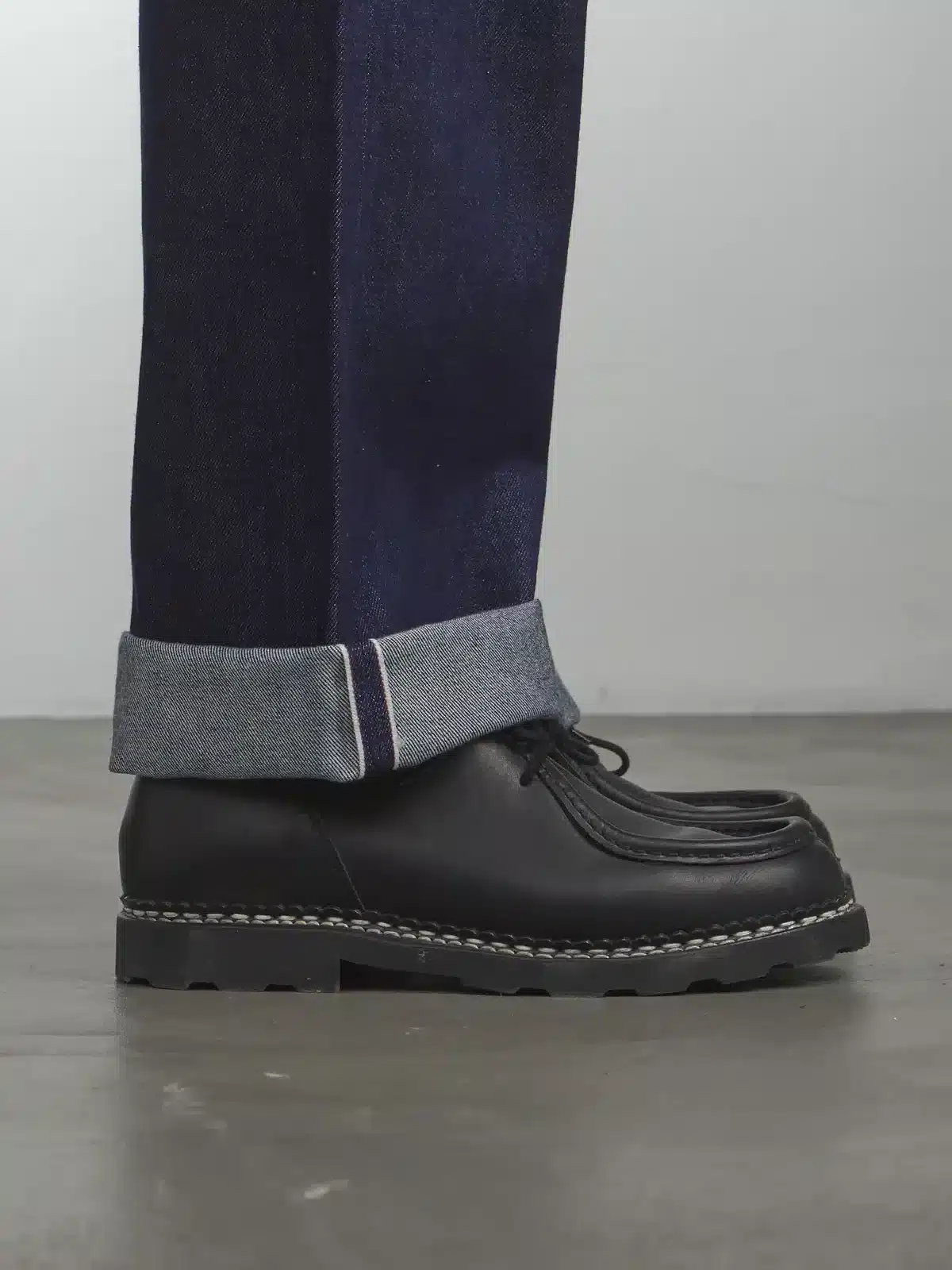
What’s less obvious is that several of the early reproductions fall squarely into lightweight territory.
The 1933 501, for instance, is built from 12 oz. Japanese red selvedge—a loose, high-rise cut with period-correct details like a cinch back, suspender buttons, crotch rivet, and single-needle stitched arcuate.
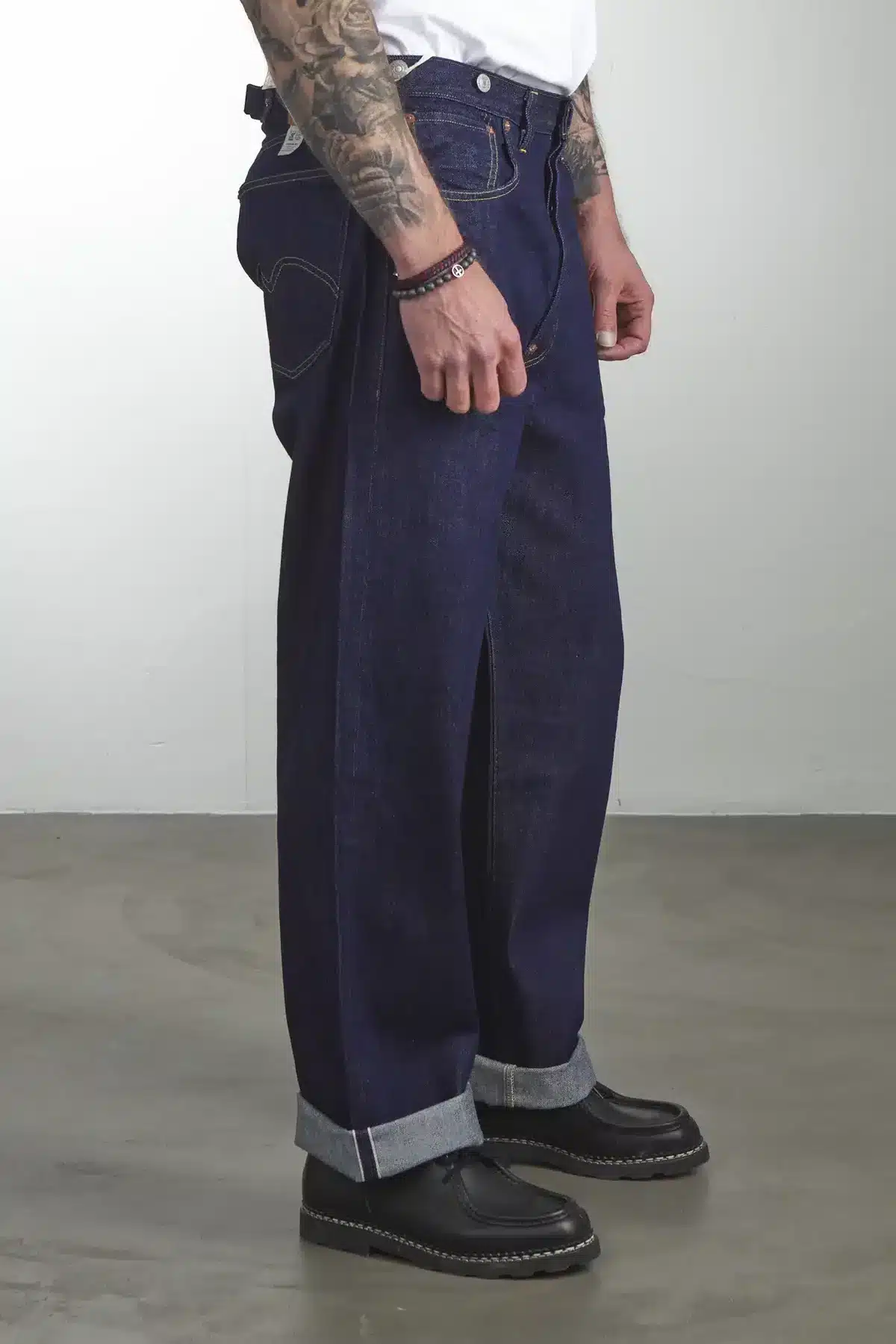
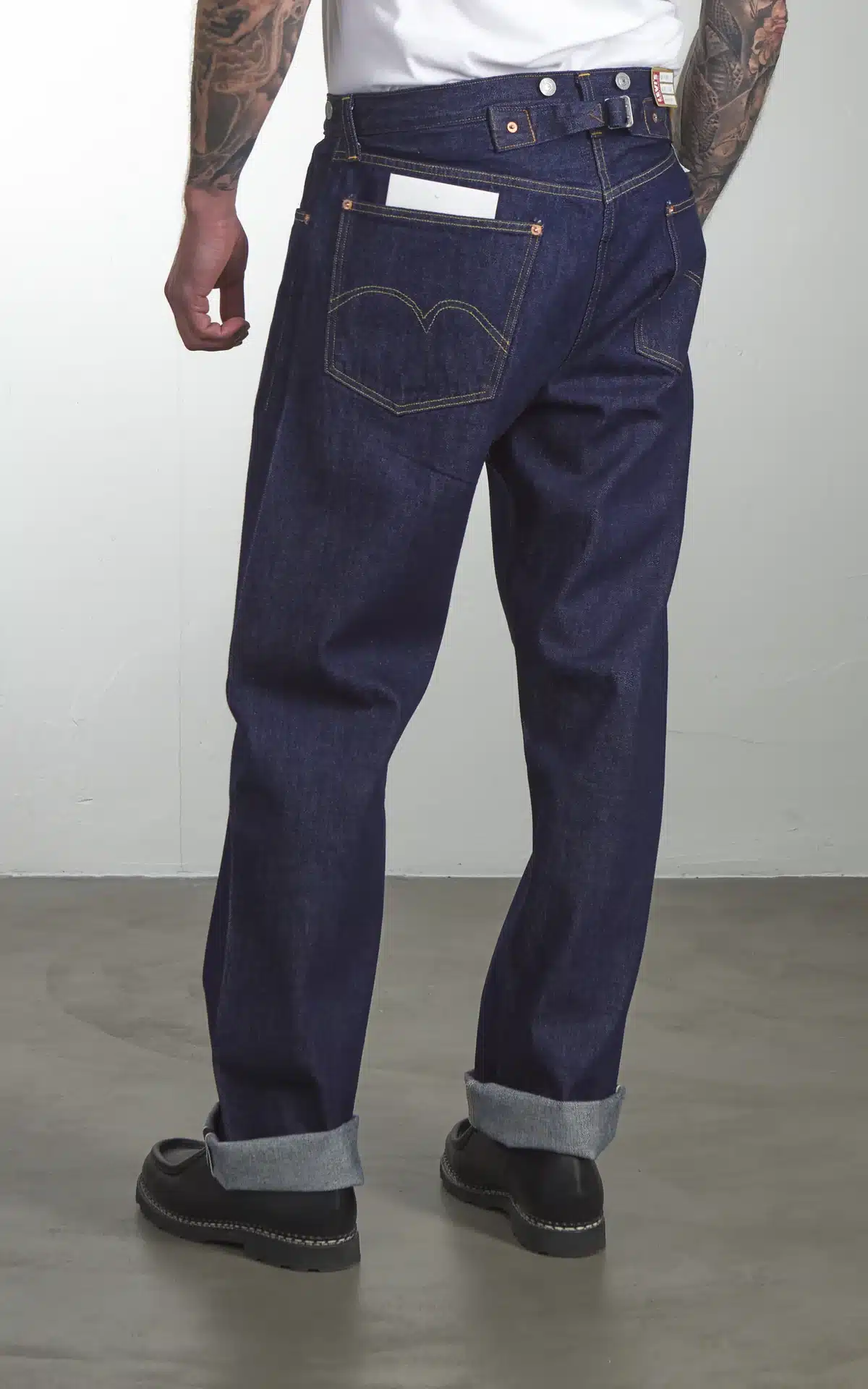
The fits follow the eras they reproduce—roomier in the earlier models, slimmer in the post-war cuts. For lightweight options, the earlier reproductions are the ones to look at.
Made in Japan and finished with original construction details specific to each historical 501 reproduction, including period-correct hardware, stitching, and finishing methods.
You can buy Levi’s Vintage Clothing at Cultizm (DE) and Hinoya (JP).
Mister Freedom – 12 oz. ($$$)
NOS Cone Mills “XUV” selvedge denim from the now-closed White Oak mill in North Carolina, woven at 12 oz. with a dry, rigid hand that softens and gains character through wear rather than pre-treatment.
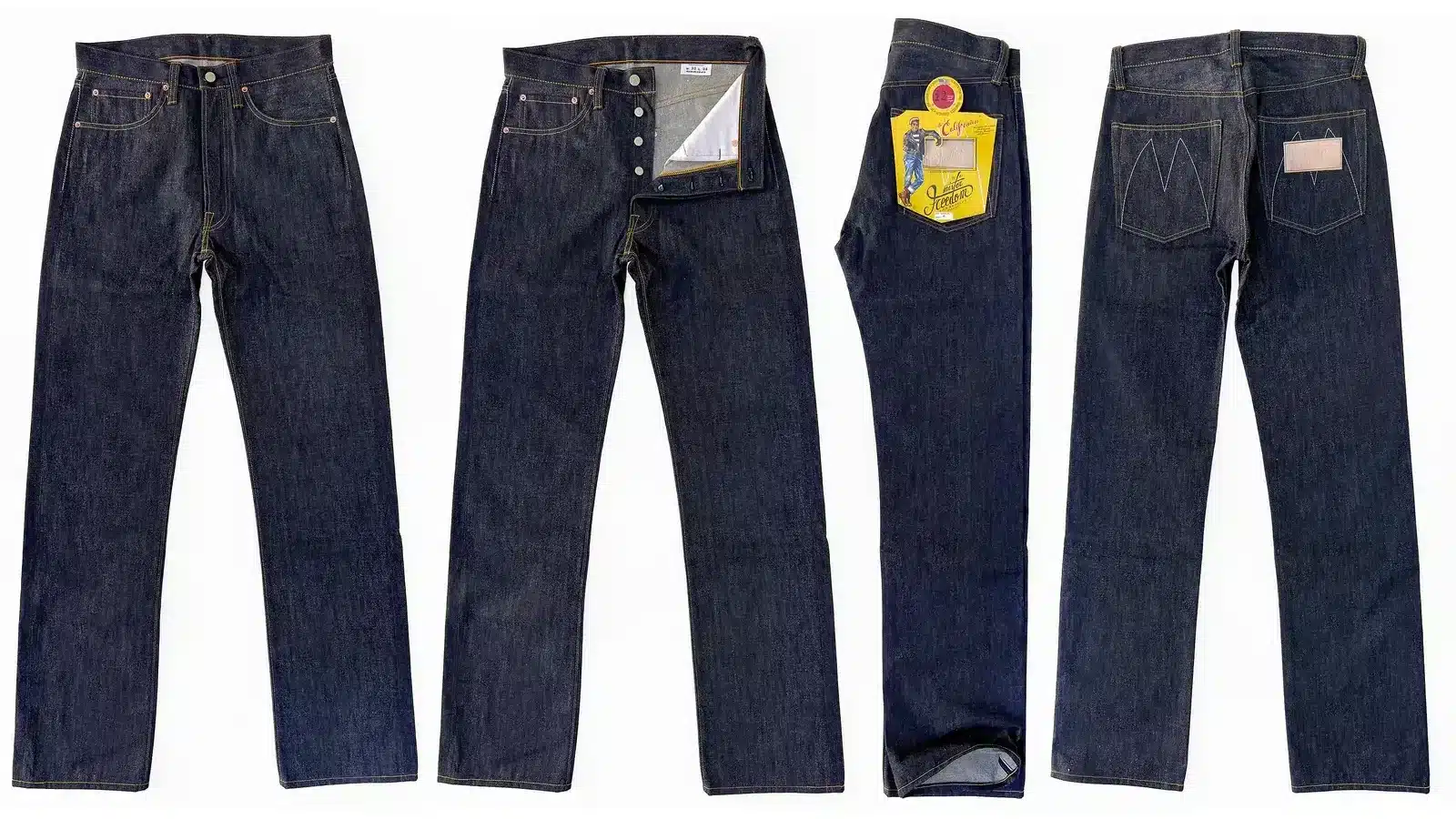
The fabric is New Old Stock Cone Mills denim originally developed for vintage-inspired production, giving it a clean, classic indigo surface that breaks in gradually into high-contrast fades without feeling overly engineered.
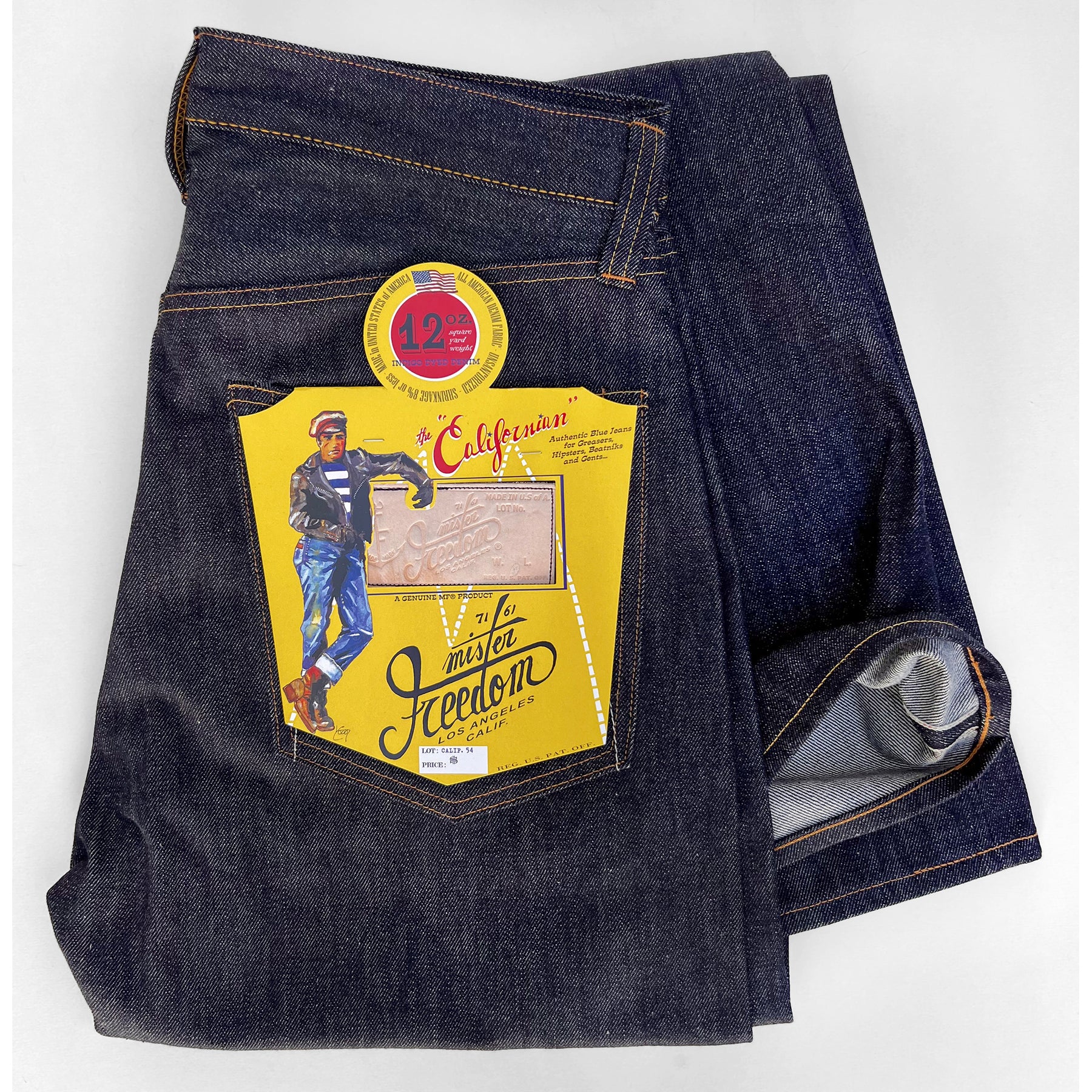
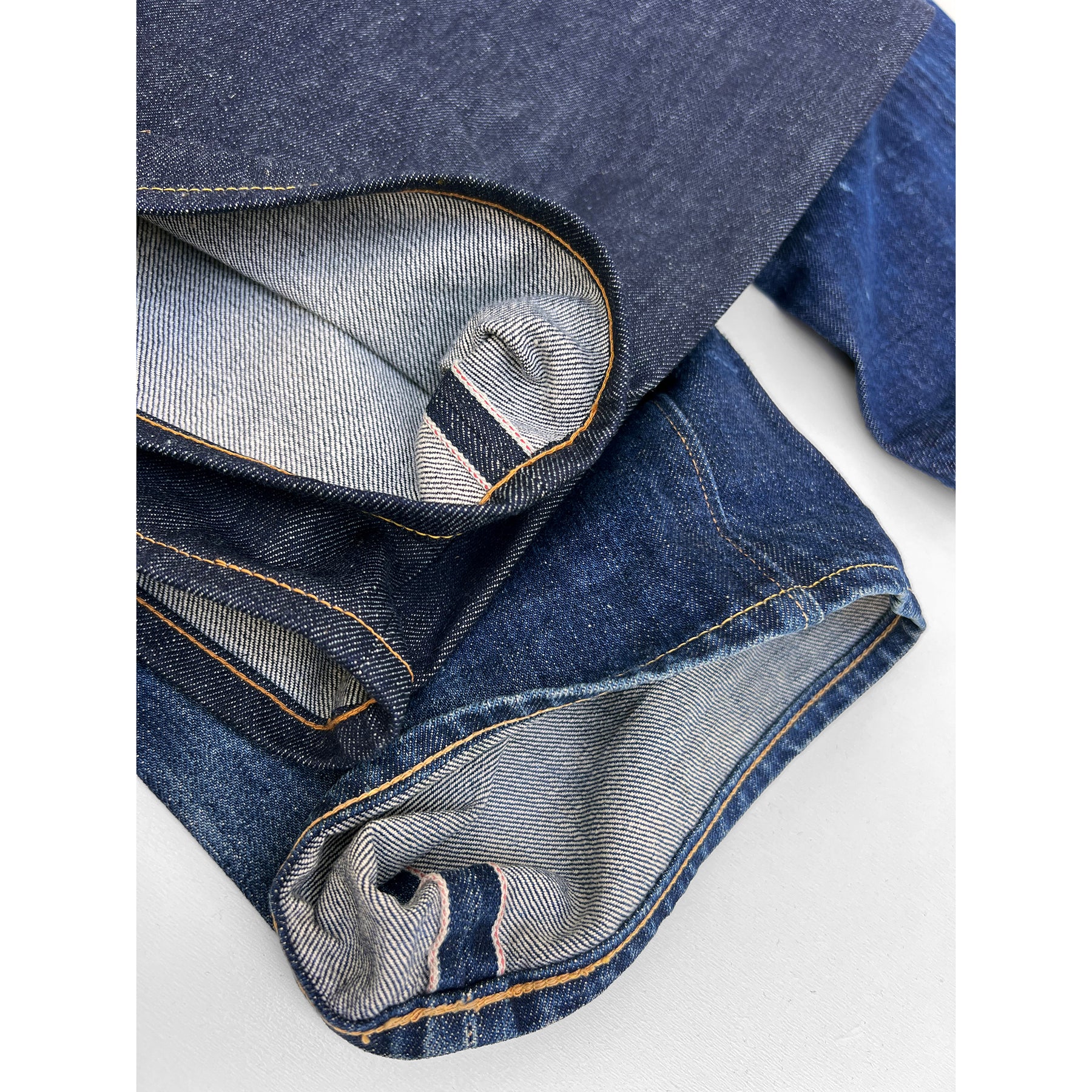
The Lot54 cut is a mid-rise straight leg built around mid-century American silhouettes, with enough room through the thigh to balance the initial rigidity of the fabric while still keeping a clean, structured profile.
Made in California in a small-scale production setting, finished with Cone Mills selvedge, copper rivets, cotton thread construction, and vintage-referenced detailing rooted in original five-pocket workwear patterns.
You can buy Mister Freedom at: Franklin & Poe (US), Blue Beach Denim (TW), Cultizm (DE), Clutch Café (UK), Hinoya (JP)
Japan Blue – 12 oz. ($$)
Japan Blue used to be easy to explain: the more accessible sister brand to Momotaro, under the same Japan Blue Group parent company. It’s harder for me to place now. The brand has moved in a direction that feels closer to fashion denim than the Japanese selvedge label many of us first got to know.
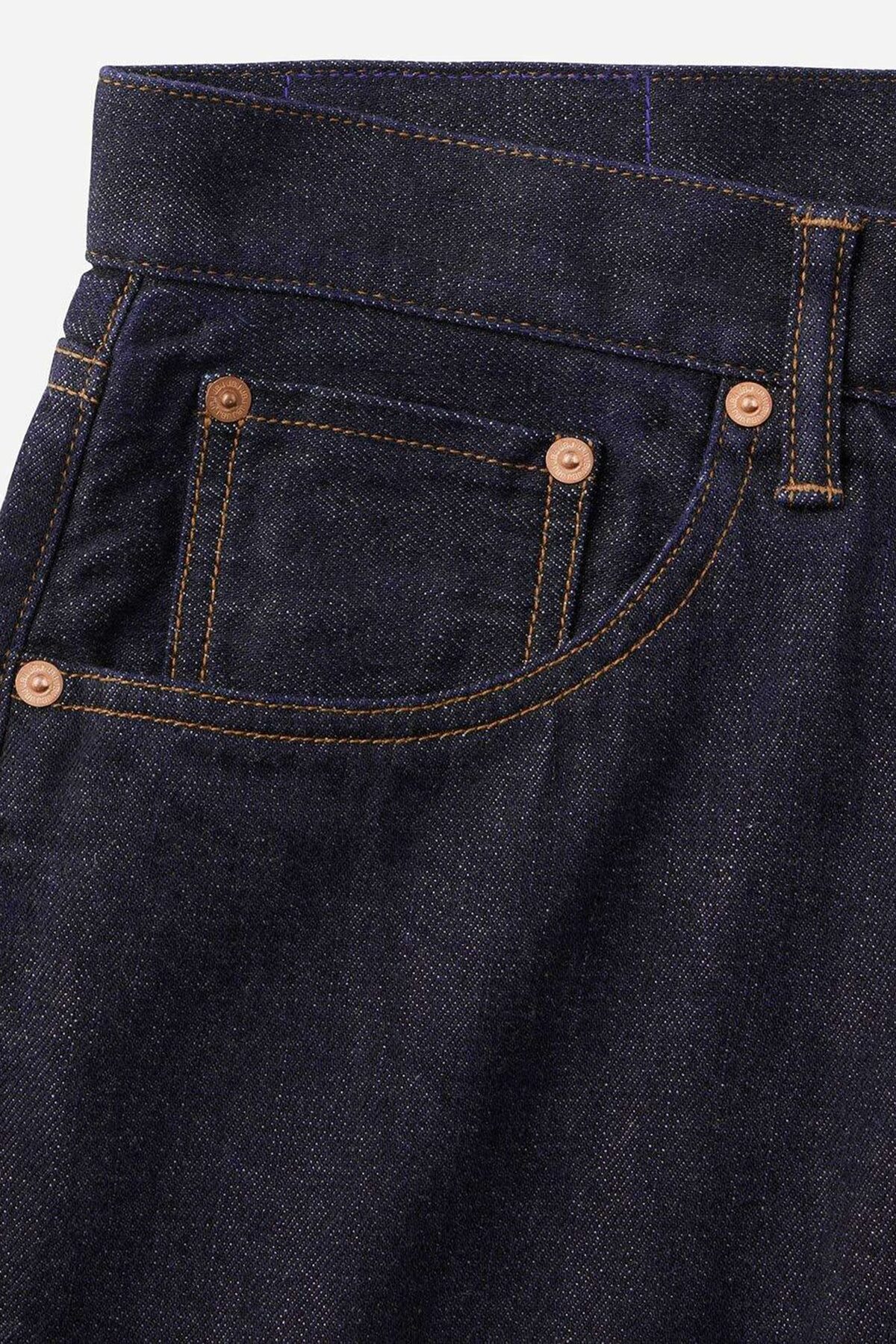
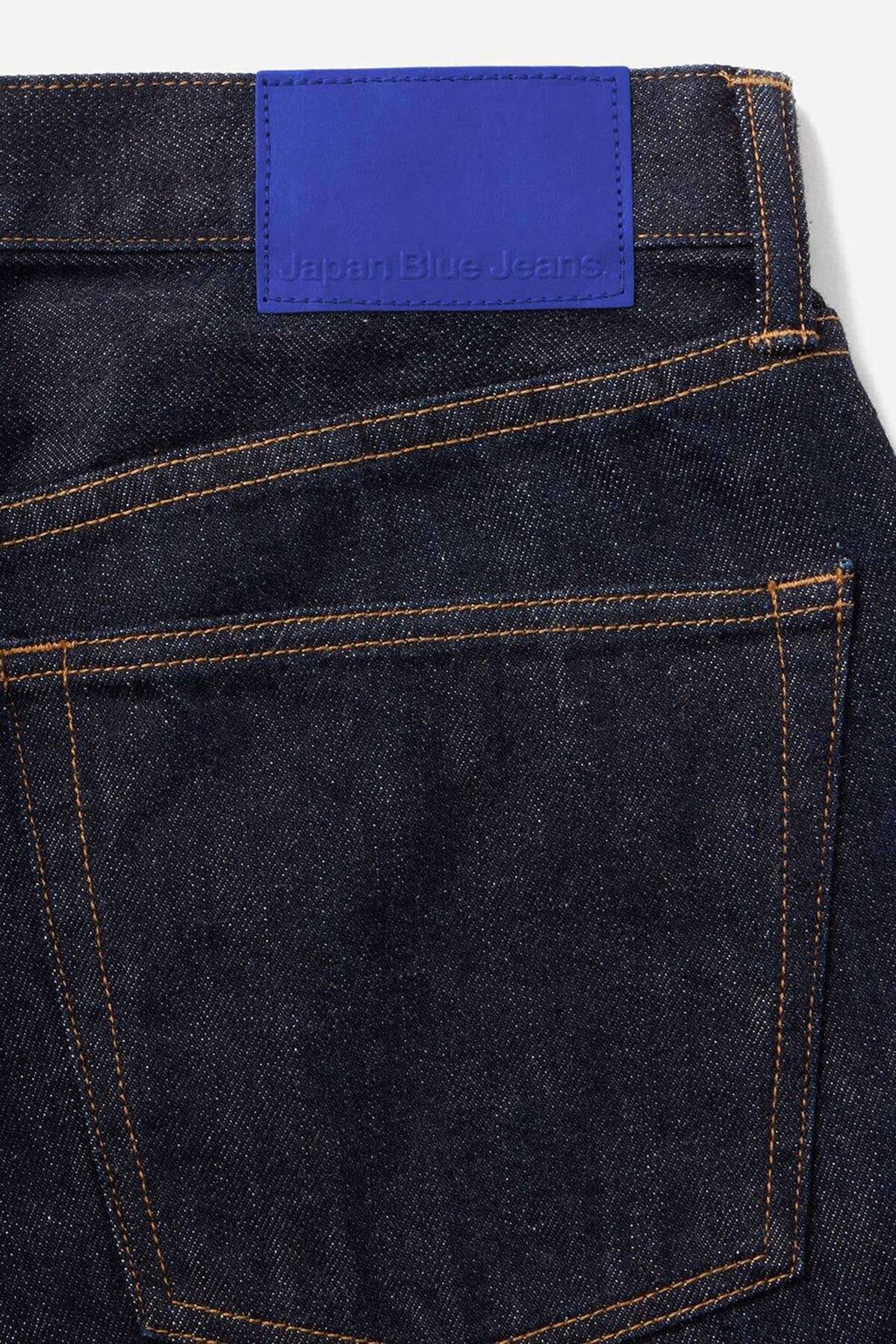
The 12 oz. 100% cotton selvedge is still worth including: pure indigo warp, one-washed and comfortable from the start, with proper fade potential over time. Some newer fabrics introduce polyester blends, so check the composition before buying.
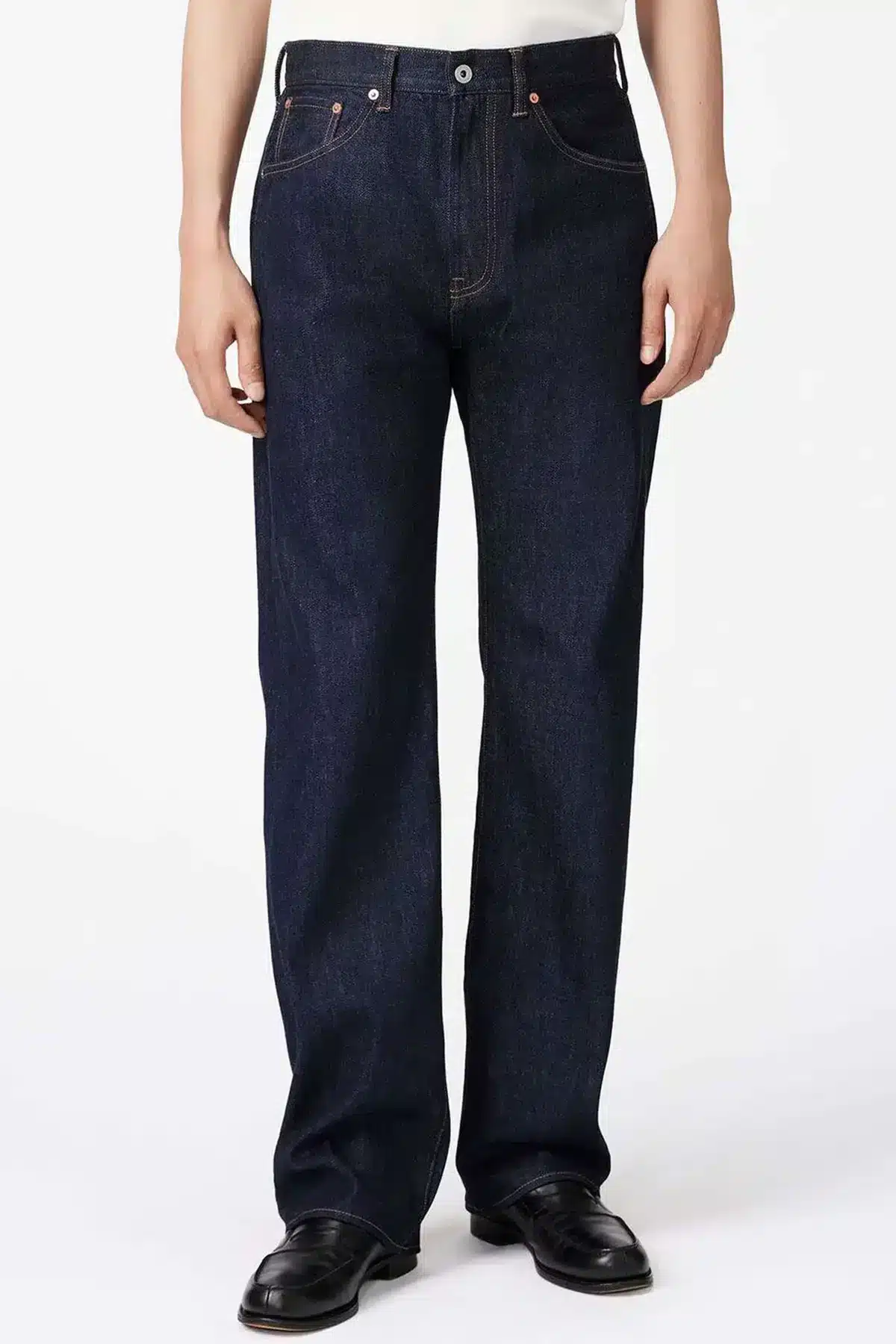
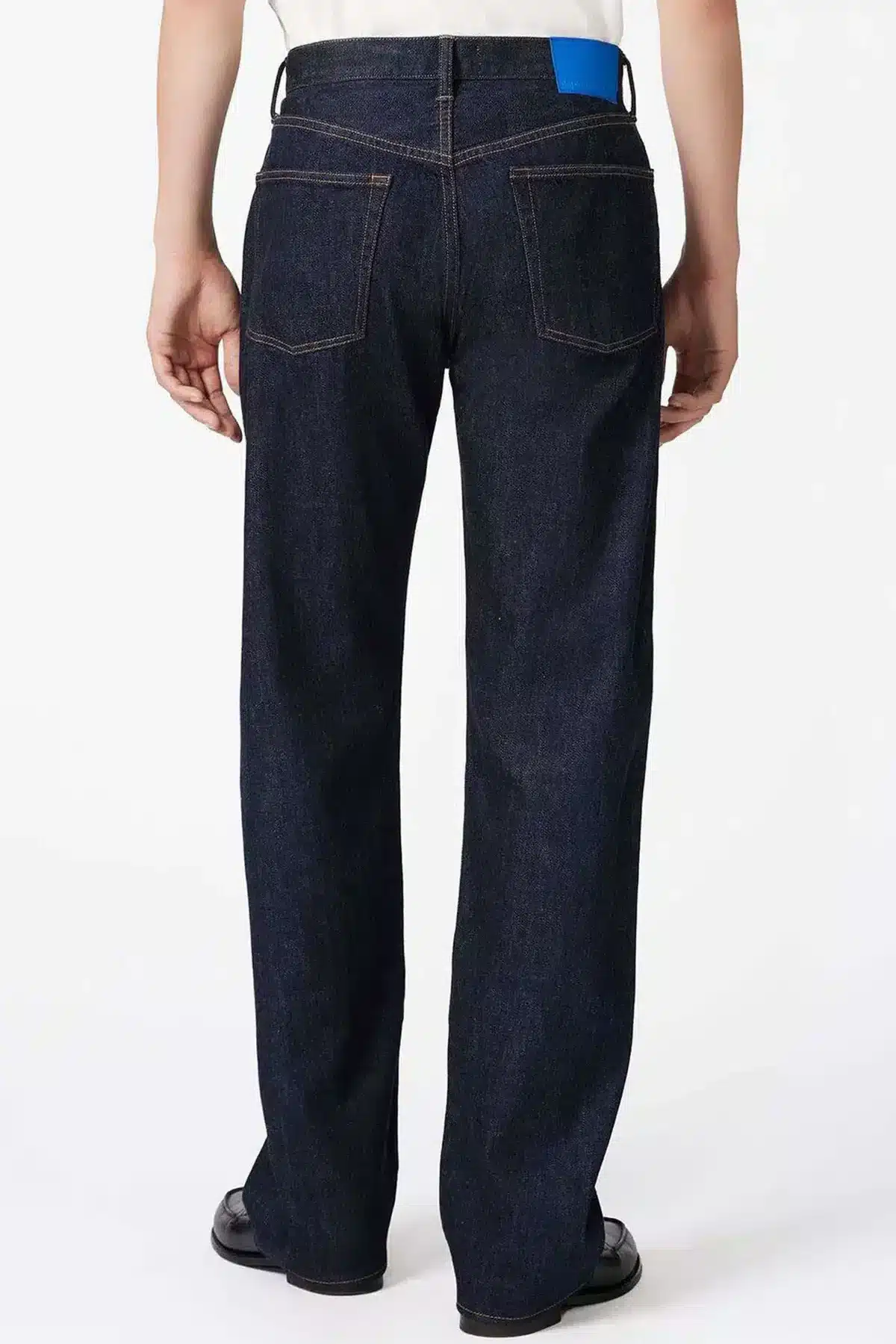
The wide straight silhouette is the one I’d look at first: high rise, relaxed through the hips, straight to the hem.
Made in Japan, finished with the new blue patch—a striking detail, though a long way from where the brand started.
Japan Blue is available at: Redcast Heritage (ES), Cultizm (EU), Division Road (US), Iron Shop Provisions (US), and Blue Beach Denim (TW)
Big John – 12 oz. ($$$)
Japan’s first denim maker still does some things differently. Big John was experimenting with engineered slub decades before it became fashionable, and the lighter-weight fabrics remain among the most convincing examples of it.
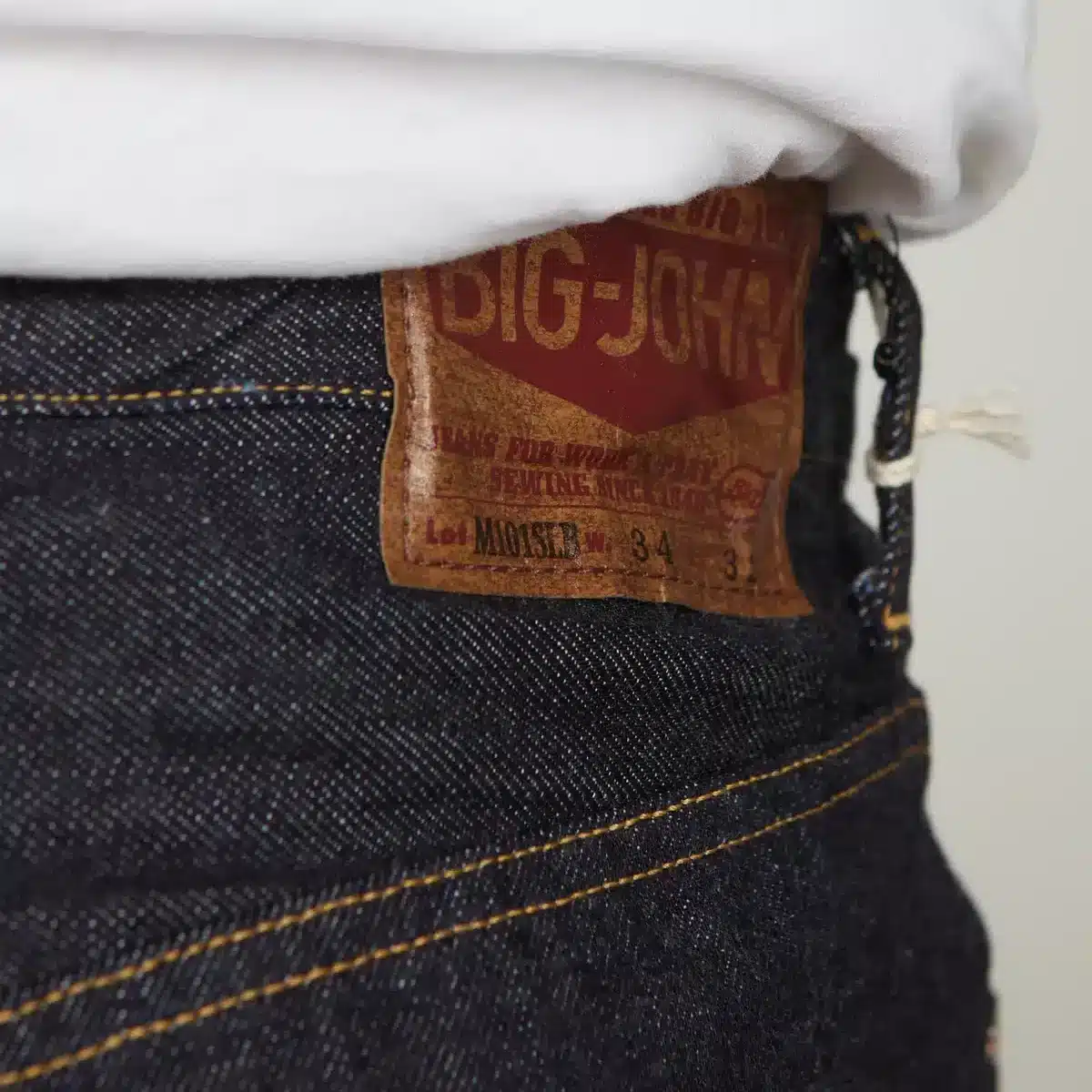
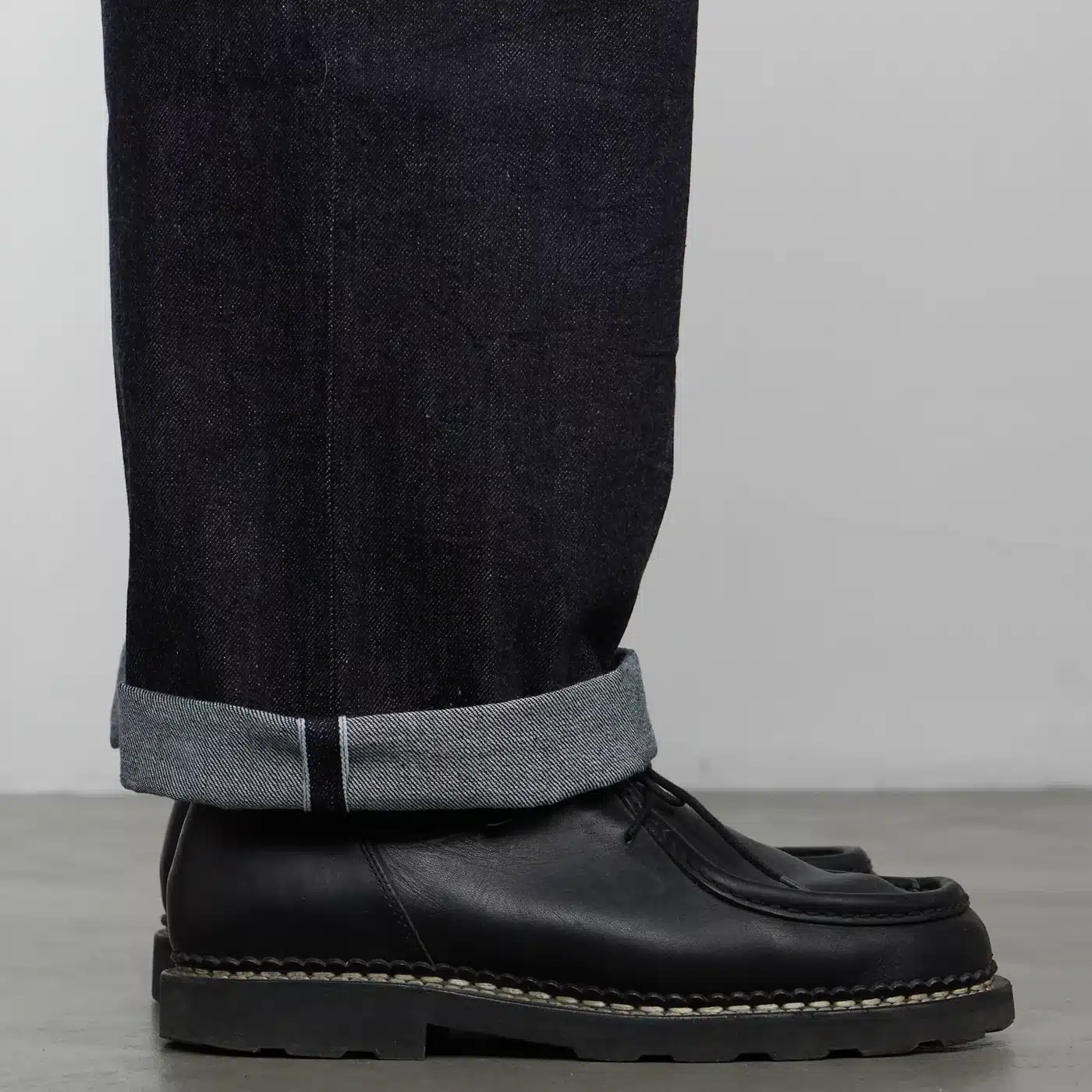
The SL Vintage is where the lightweight story lives: 12 oz., woven on Toyoda GL-3 looms from a blend of American and Australian cotton, with uneven yarns that give the denim real texture and character despite the lower weight.

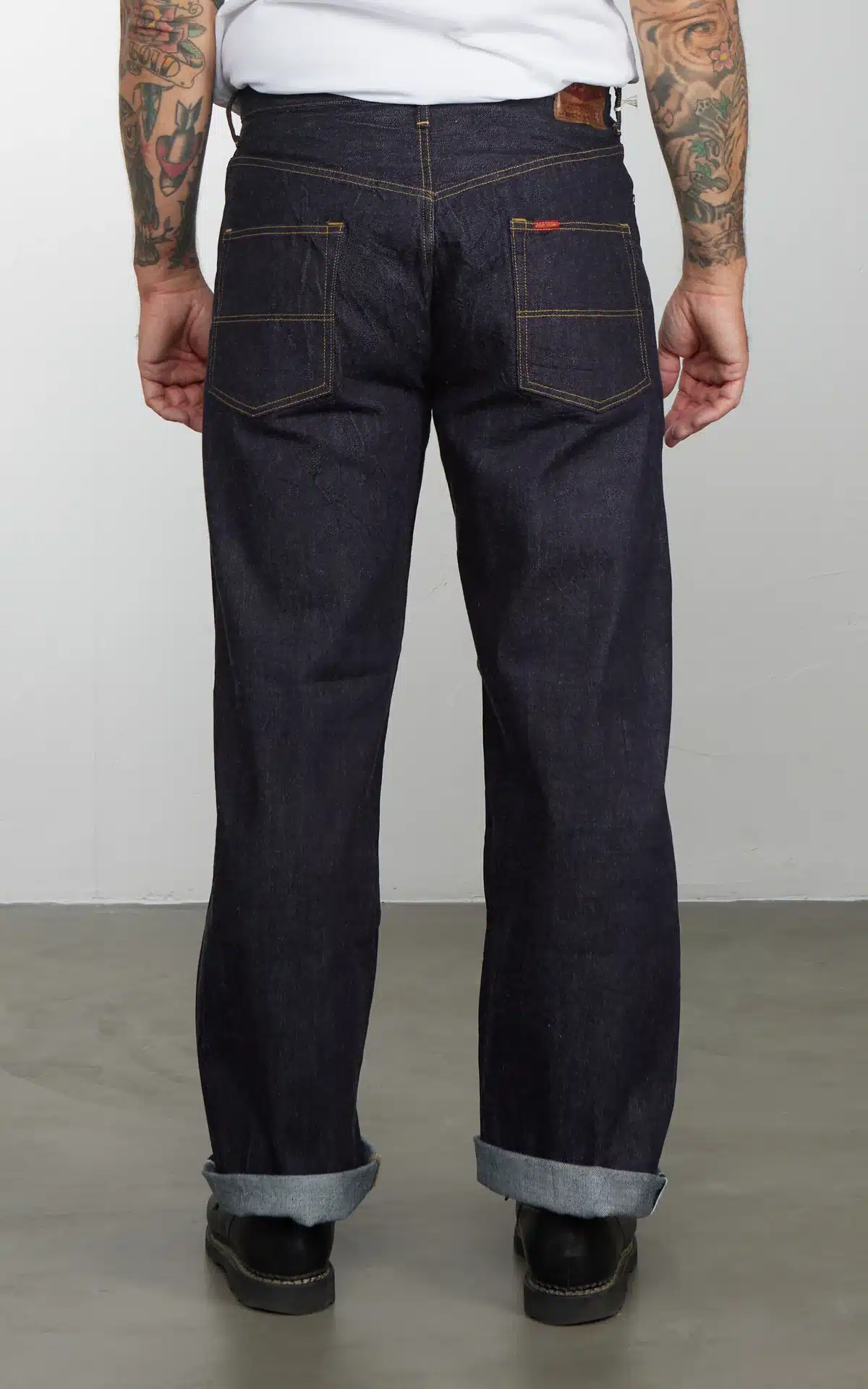
The fit is a classic relaxed silhouette with a slight taper. For lightweight denim, it’s exactly the sort of shape that makes sense—easy through the top block and comfortable in warmer weather.
Made in Japan, rope-dyed with pure indigo, finished with a period-correct paper patch and thick No. 8 sewing thread.
Big John is sold at Redcast Heritage (ES), Cultizm (DE), Hinoya (JP), and Franklin & Poe (US)
Studio D’Artisan – 12 oz. ($$$)
The first of the Osaka Five to release a pair of jeans, Studio D’Artisan helped establish Japan’s reproduction movement in 1979—and brought a slightly more playful personality to it than the brands that followed.


For a brand better known for heavier, more textured fabrics, a 12 oz. offering is worth paying attention to. The slub yarns and low-tension weave give it plenty of surface character and fade potential despite the lower weight.


The SD-502 is a loose straight fit—generous through the thighs, relaxed from waist to hem. A vintage-informed silhouette that wears comfortably from day one.
Made in Japan, finished with the brand’s distinctive pig logo patch—a deadpan riff on Levi’s Two Horse design that’s been part of SDA’s identity from the start.
You can buy Studio D’Artisan from these retailers: Redcast Heritage (ES), Division Road (US), Brooklyn Clothing (CA), Hinoya (JP)
Sugar Cane – 12 oz. ($$)
Sugar Cane’s 12 oz. denim is a lighter interpretation of the brand’s 1947 model—same American and Zimbabwe cotton blend, same Toyoda shuttle looms, same attention to 501XX-style fabric irregularity. Just at a weight you can actually wear in summer.
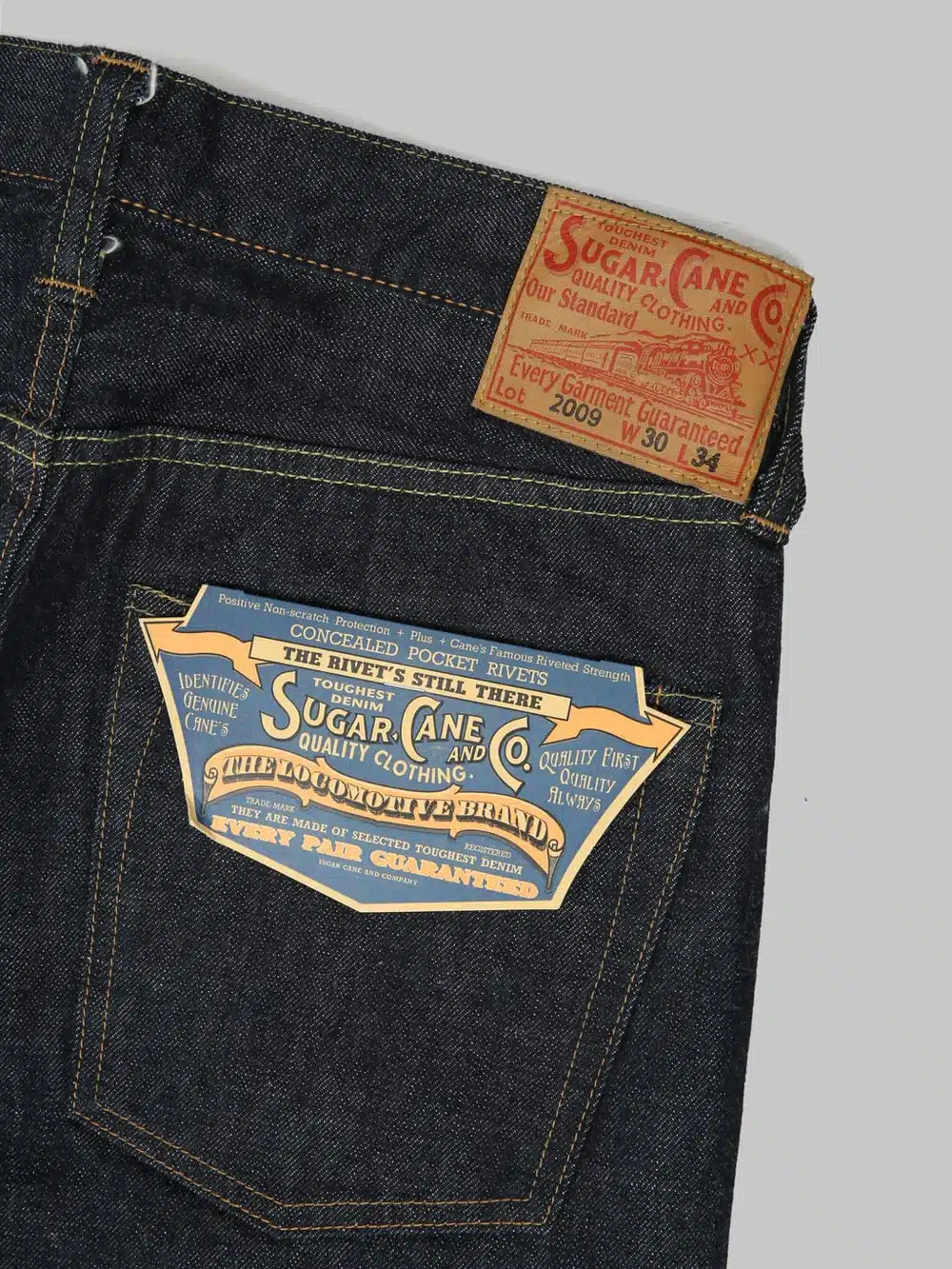
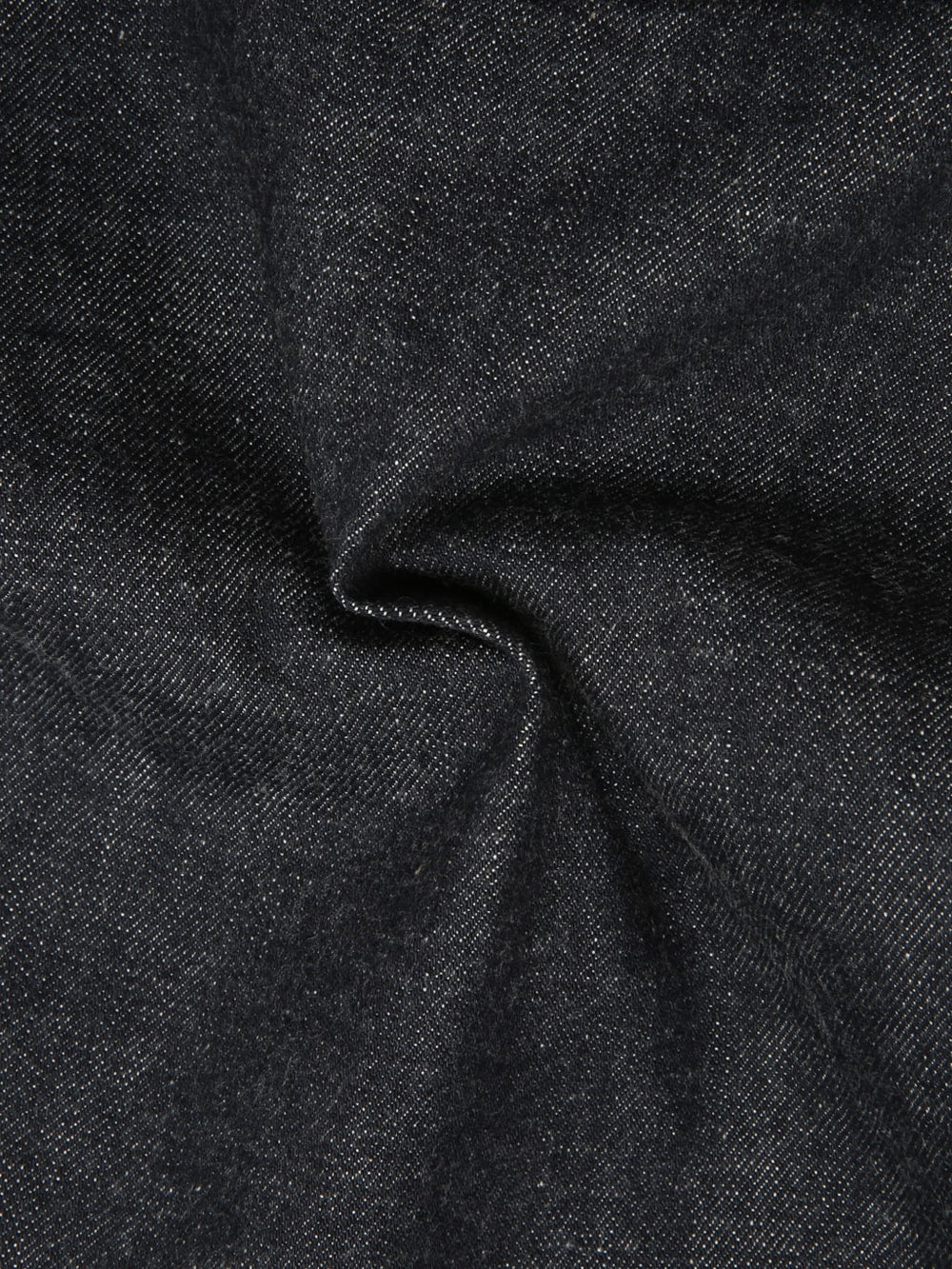
The fabric is one-washed from the factory, soft enough to wear straight away, and still textured enough to feel like proper Sugar Cane rather than a lightweight compromise.
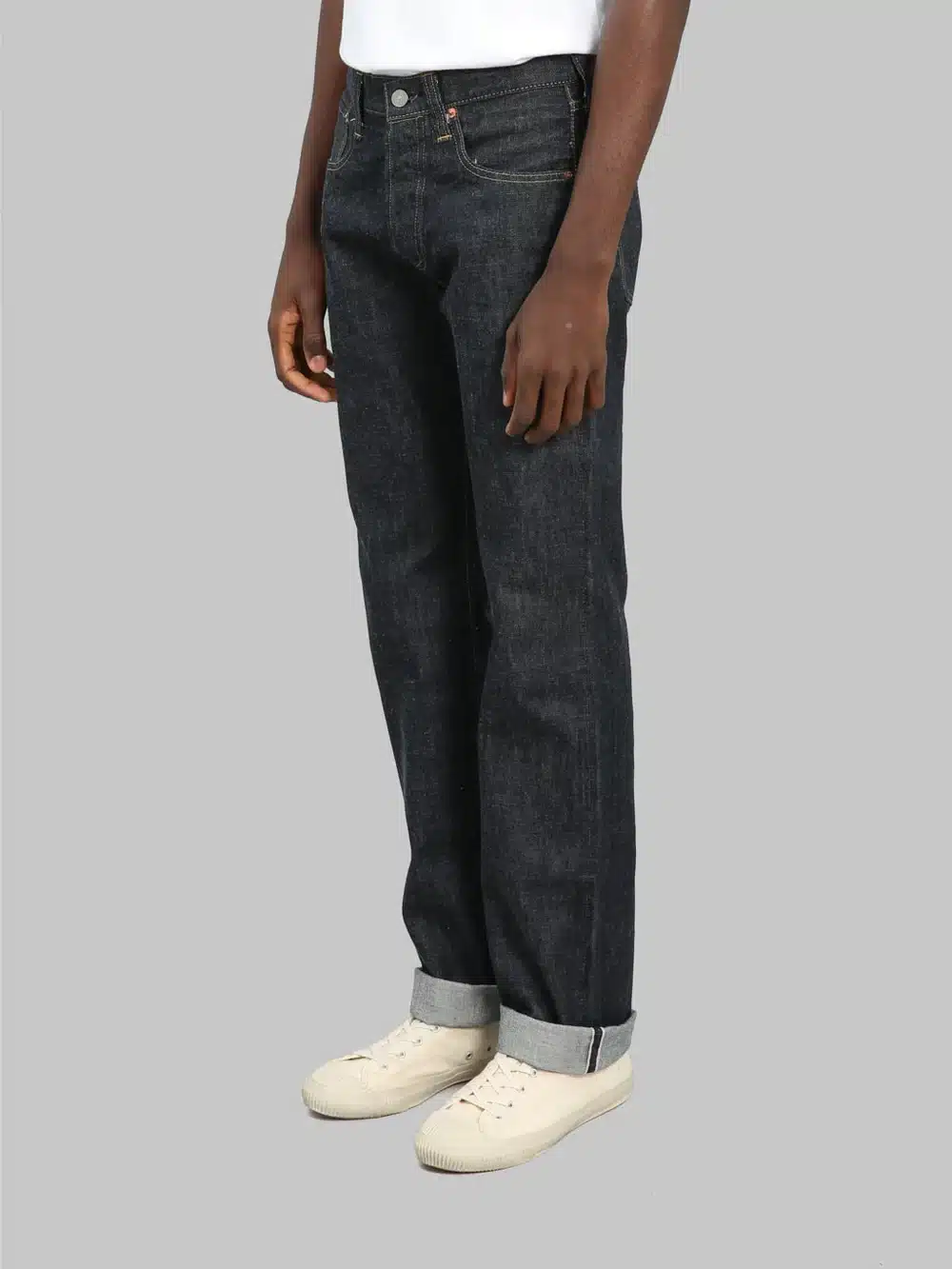
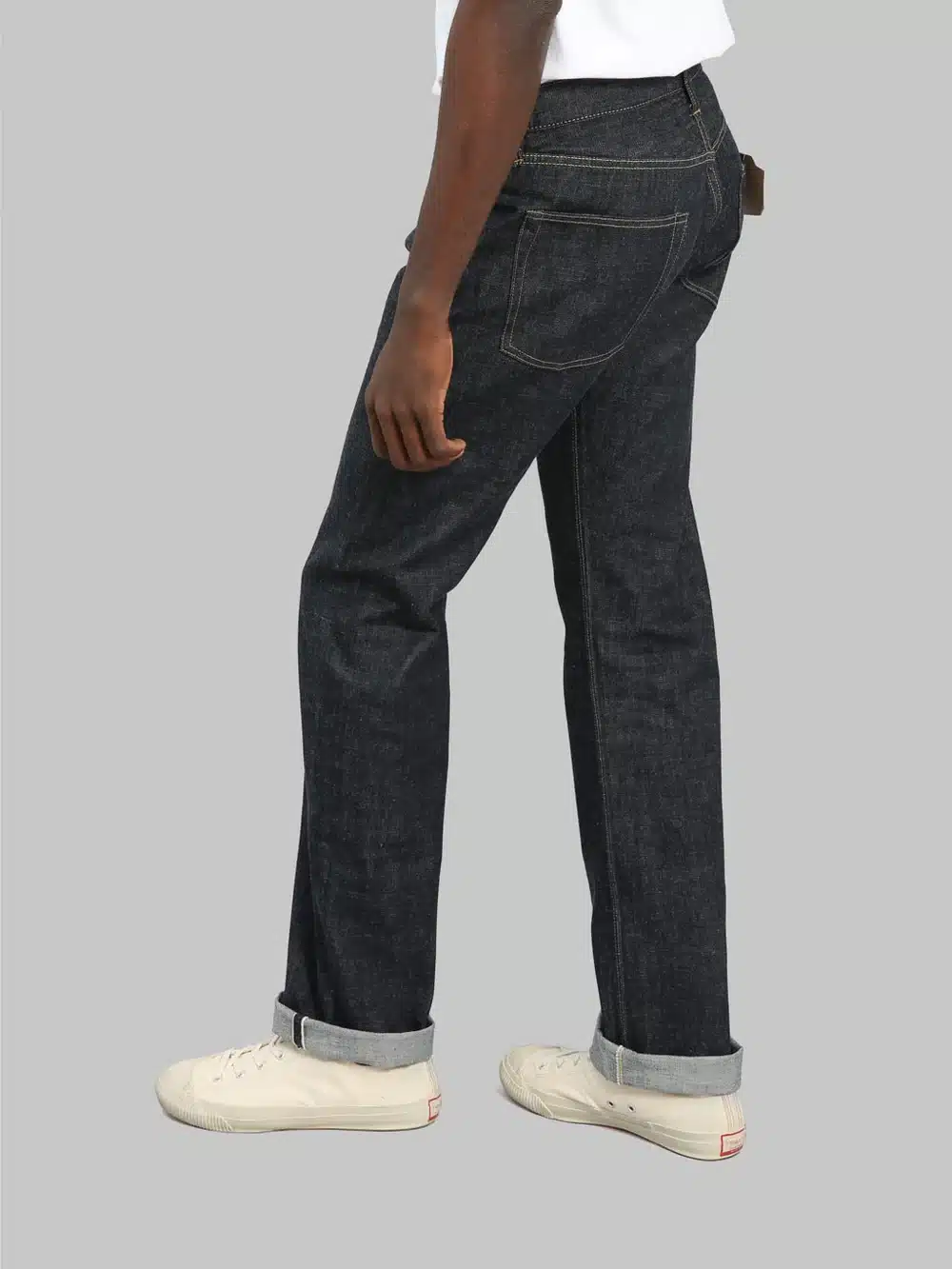
The tradeoff is fit. The Type II is slim straight with a low rise; the Type III goes slimmer still. If you want a roomy summer jean, this probably isn’t the one.
Made in Japan, finished with iron buttons, hidden copper rivets, and a deerskin leather patch.
Sugar Cane is available at: Redcast Heritage (ES), Franklin & Poe (US), Blue in Green (US), Hinoya (JP), and Iron Shop Provisions (US).
3sixteen – 12 oz. ($$$)
Known for a more modern, wear-first approach to raw denim, 3sixteen builds its lightweight selvedge around comfort from day one rather than rigid break-in.

The 12 oz. Kuroki Mills selvedge is the lightest in the range, lightly rinsed to remove initial stiffness while still developing clean, consistent fades and soft vertical texture over time.

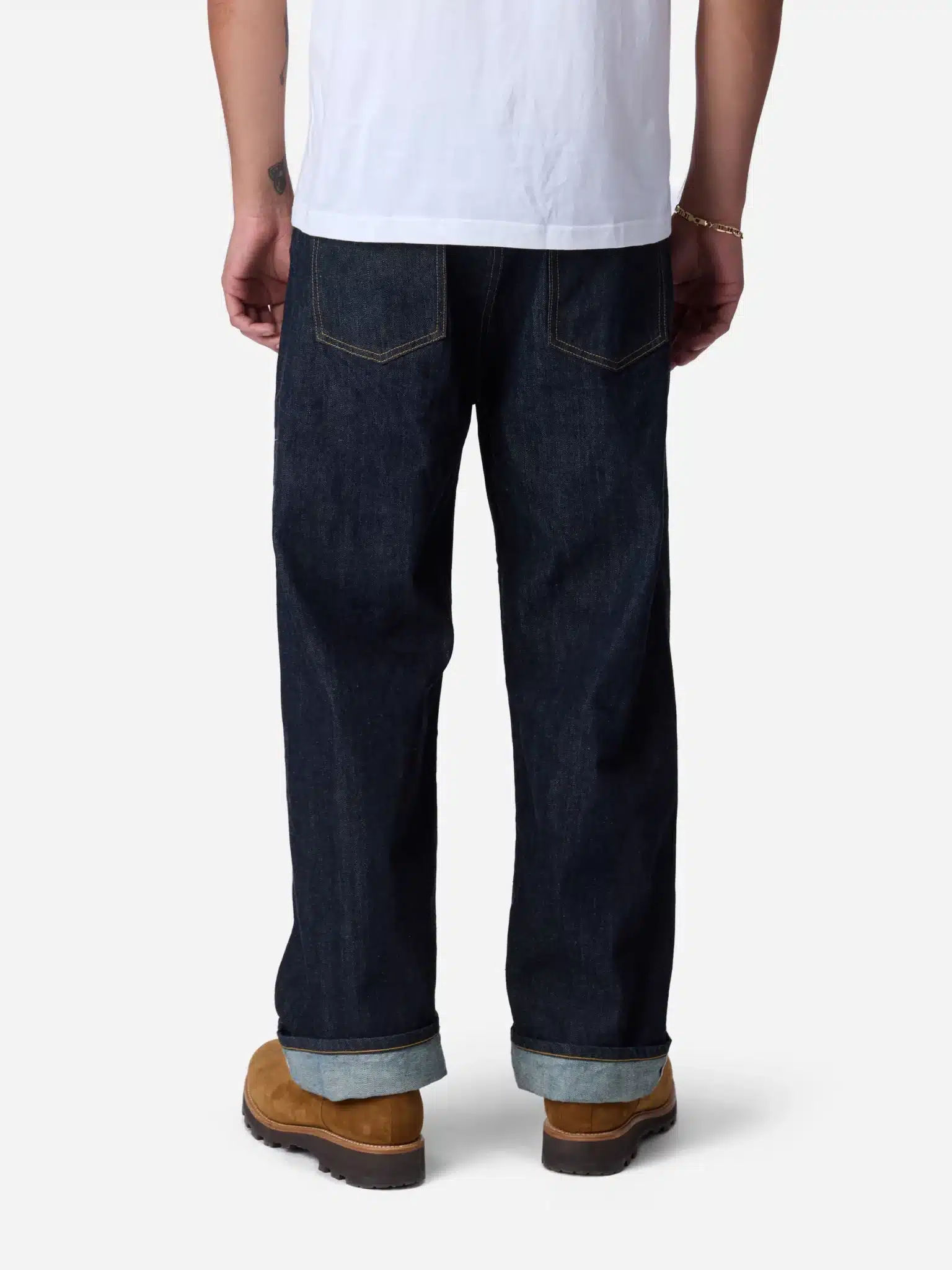
The Relaxed Straight is the widest cut, with a high rise, generous thigh, and wider leg opening, designed as a comfortable everyday silhouette without tipping into a baggy fit.
Made in the USA using Japanese-woven selvedge from Kuroki Mills in Okayama, finished with branded hardware and a leather patch built for long-term wear.
“Borderline” Lightweight DENIM
Some denim sits above 12 oz. on paper but still belongs in the conversation. A loose weave, softer yarn, lower tension, or roomier cut can make a 13 oz. fabric feel easier than the number suggests.
This section is for those jeans: not true lightweights, but fabrics I’d still consider if comfort, breathability, and year-round wearability matter more than the spec sheet.
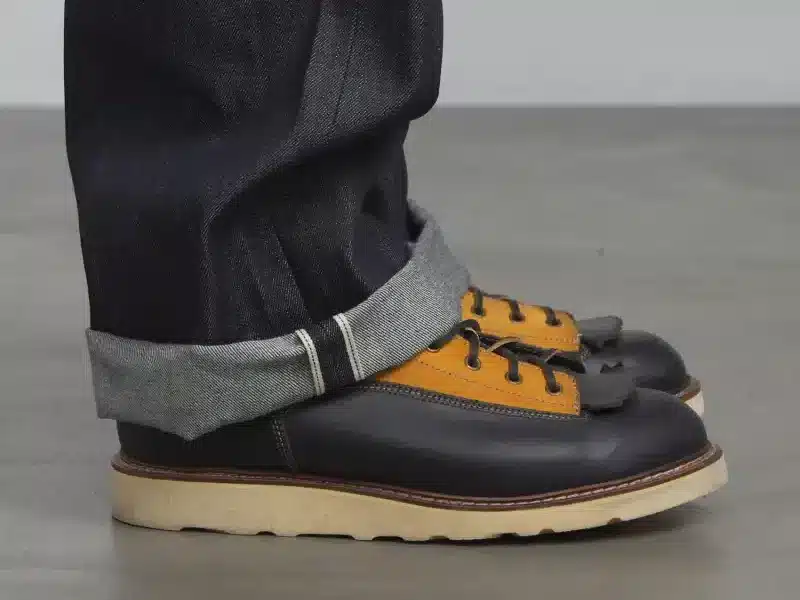
Tellason – 12.5 oz. Kaihara Mills Selvedge ($$$)
Just over the lightweight cutoff, this Kaihara Mills selvedge feels comfortable and easy-wearing from the start, breaking in quickly into clean, consistent fades. For a roomier fit, the Fredy and Ankara are the ones to look at.
Shop Tellason’s lightweight jeans.
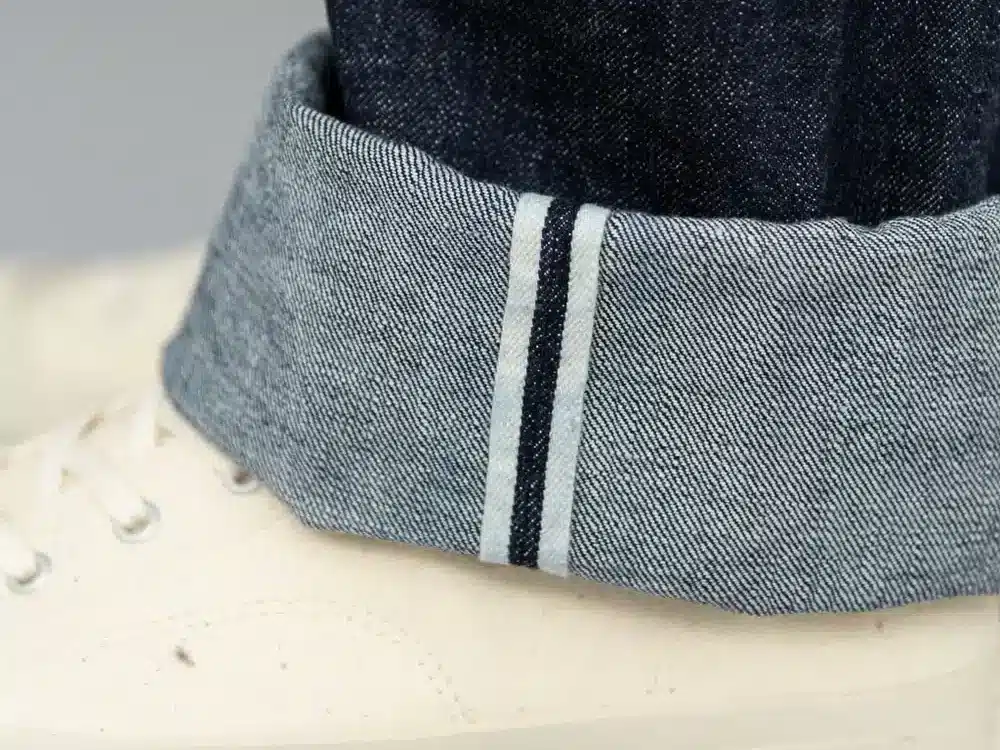
TCB – 12.5 oz. Memphis Cotton Selvedge ($$)
Proprietary Memphis cotton selvedge with a textured, uneven surface that softens quickly into a broken-in feel while maintaining strong fade character. The 20’s and 30’s are the roomier fits.
TCB is available at: Redcast Heritage (ES), Cultizm (DE), and Franklin & Poe (US)
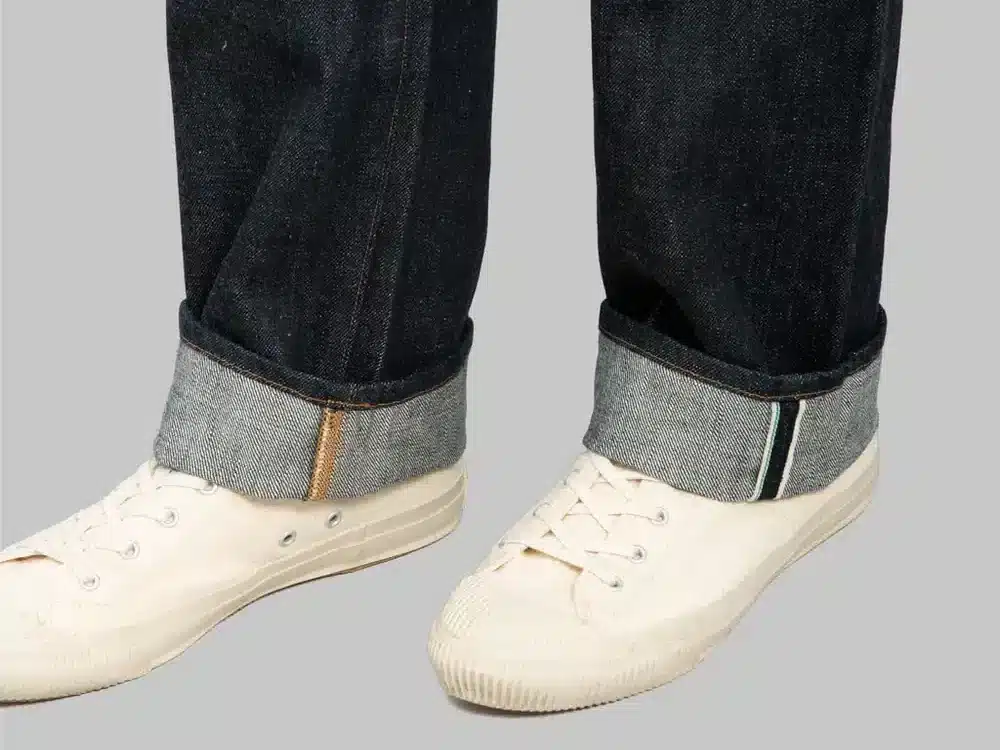
Stevenson Overalls – 13 oz. Slubby Selvedge ($$$)
Slubby selvedge woven at Kuroki Mills from Zimbabwe cotton, with a subtle green undertone and a textured, uneven surface that develops strong character as it breaks in. Unsanforized, so it’ll shrink—size accordingly.
Stevenson is sold at: Redcast Heritage (ES), Cultizm (DE), Franklin & Poe (US), and Clutch Café (UK).
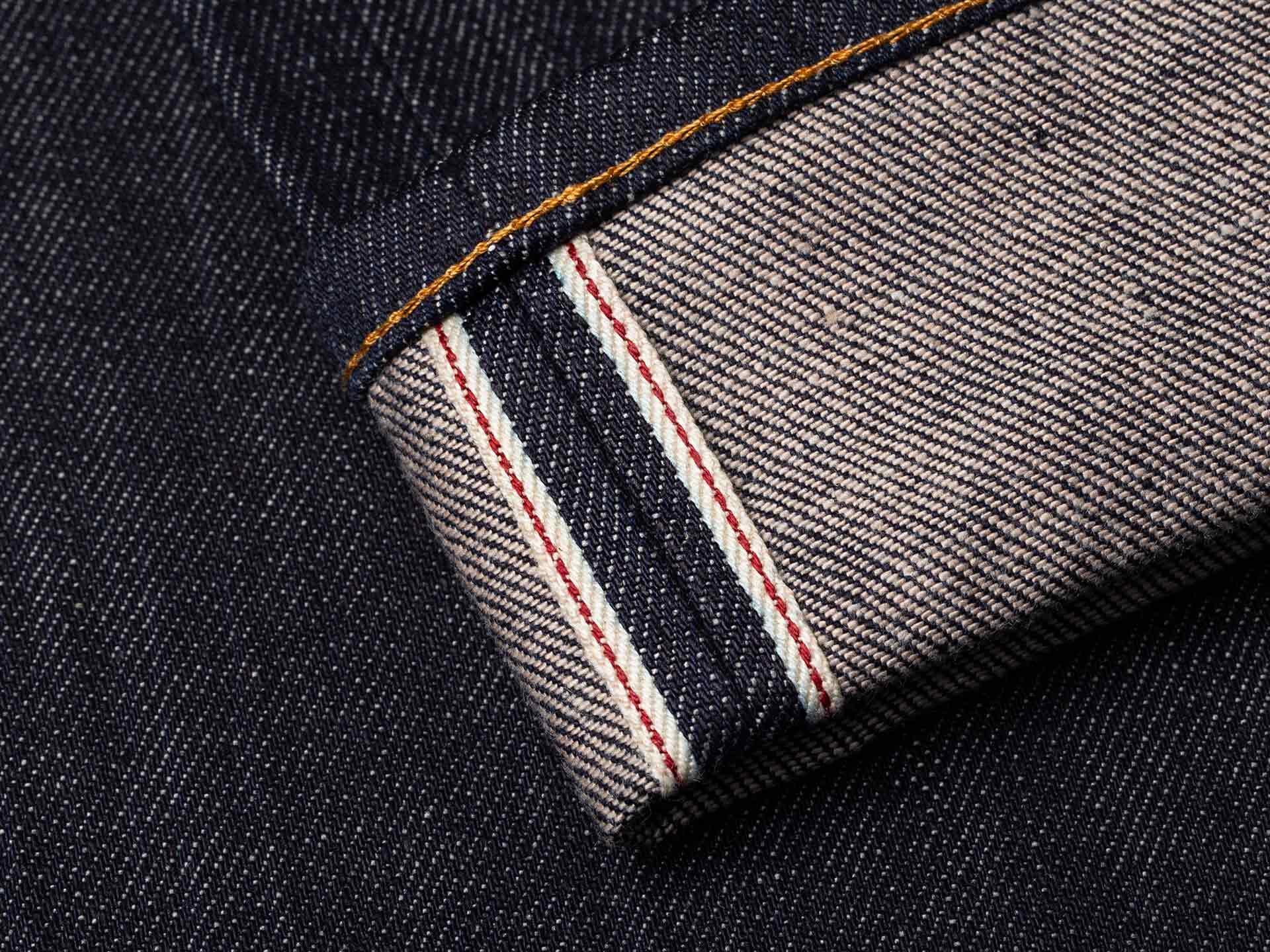
Benzak – 13 oz. Candiani Brown-Weft Selvedge ($$)
Italian selvedge with a brown-dyed weft that produces high-contrast fades as the indigo wears away to reveal the underlying tone. Occasional lighter-weight options appear, but this is the core fabric in the range.
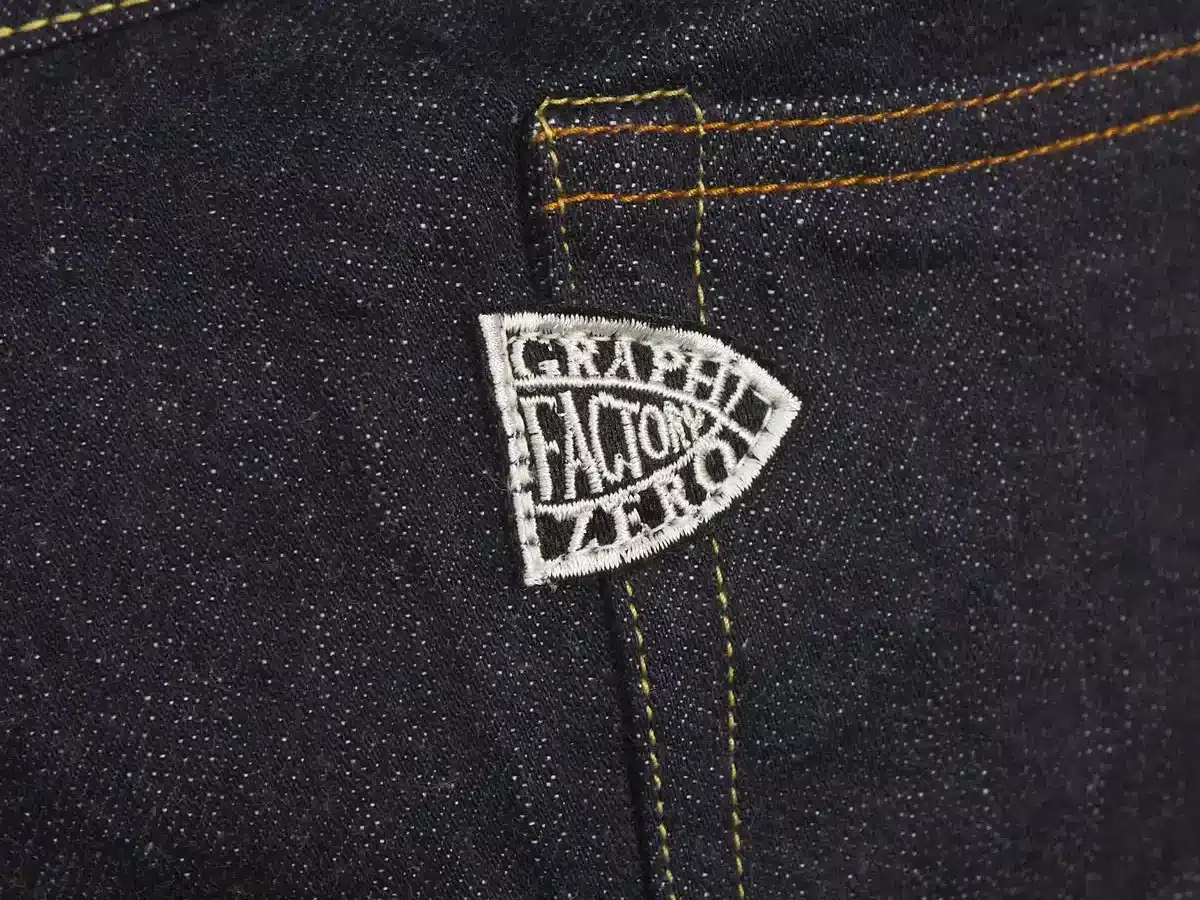
Graph Zero – 13 oz. Heritage Loose Straight Selvedge ($$)
Japanese selvedge denim with a dry, structured hand that softens with wear, cut in a loose straight fit from the Heritage line, which includes a cinch back detail. The one-wash finish reduces initial stiffness.
Graph Zero is sold at Redcast Heritage (ES) and Cultizm (DE).
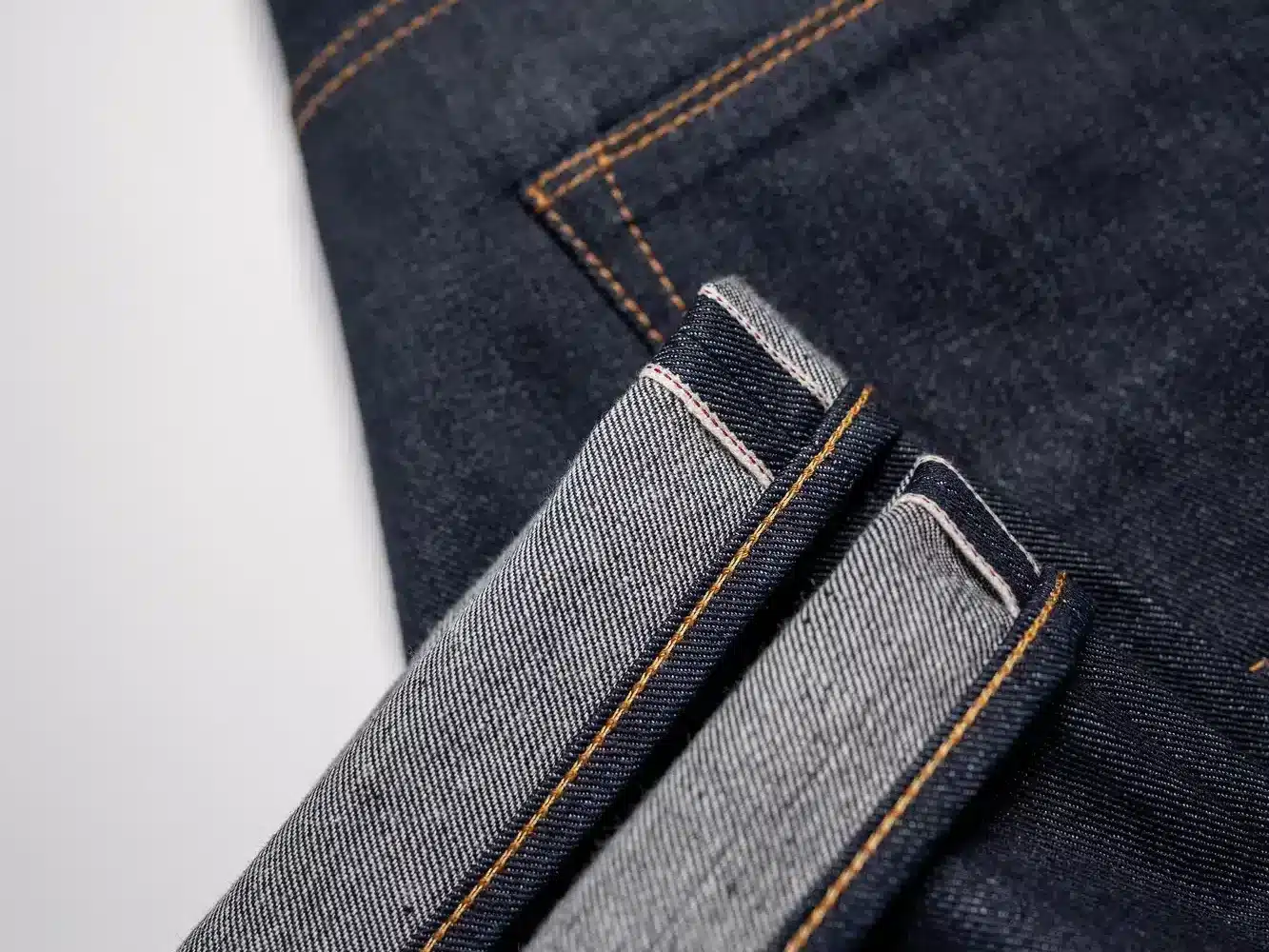
Blue Blanket – 13 oz. Candiani Selvedge ($$$)
Italian selvedge denim from Candiani with good structure that feels firm and slightly rigid before softening with wear. The P09 fit is a straight leg with a subtle taper.
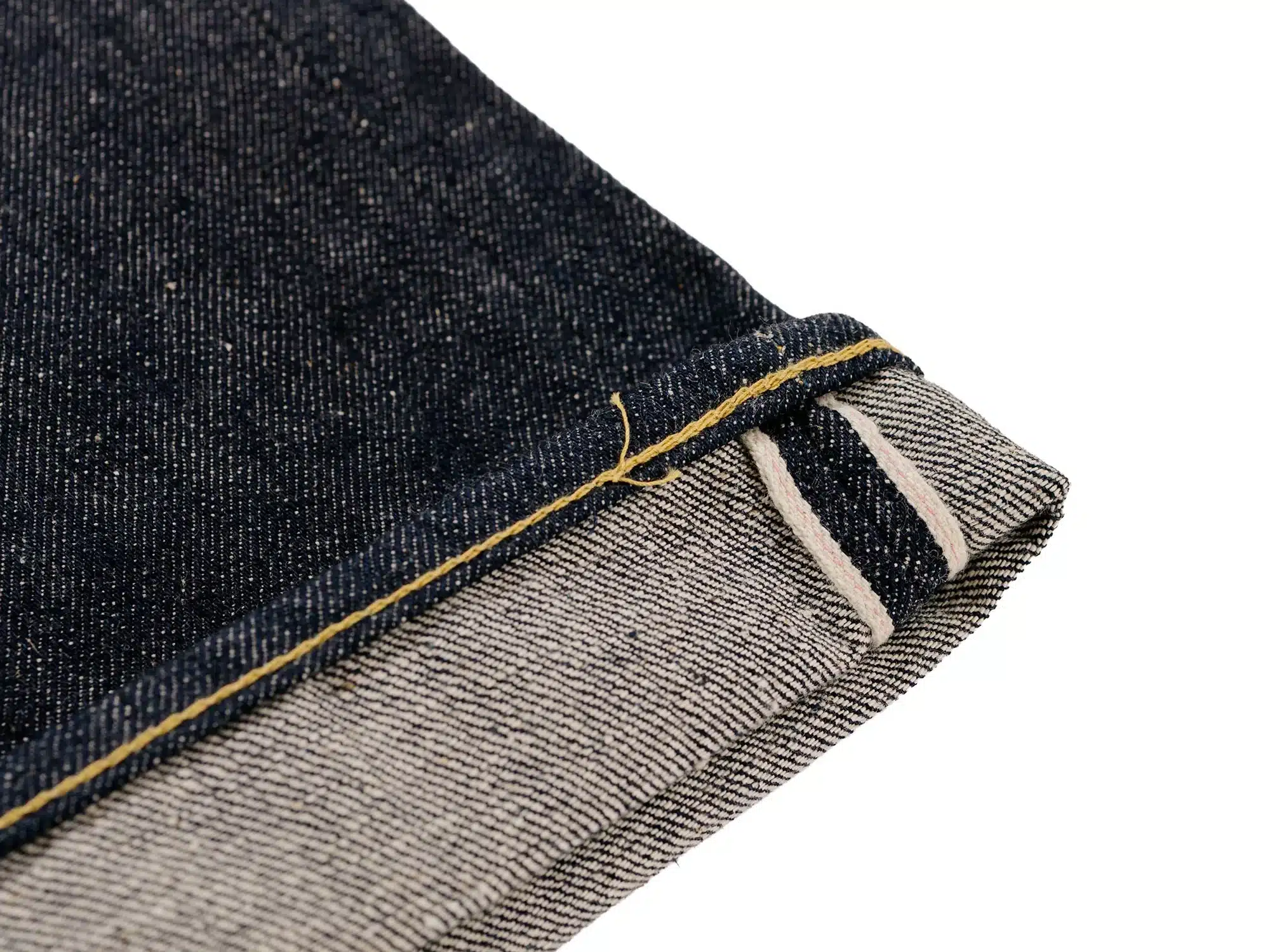
Warehouse – 13.5 oz. Banner Denim ($$$)
Named after 1930s Levi’s denim banners deconstructed by the Shiotani brothers during development, this Japanese selvedge denim uses uneven US cotton blends and vintage G3 looms to create a dry, irregular texture that wears lighter than its 13.5 oz. weight suggests. The 1001XX cut is a classic mid-century straight fit with a deep rise and slight taper.
Warehouse is sold at Lost & Found (CA), Cultizm (DE), Hinoya (JP), and Clutch Café (UK).
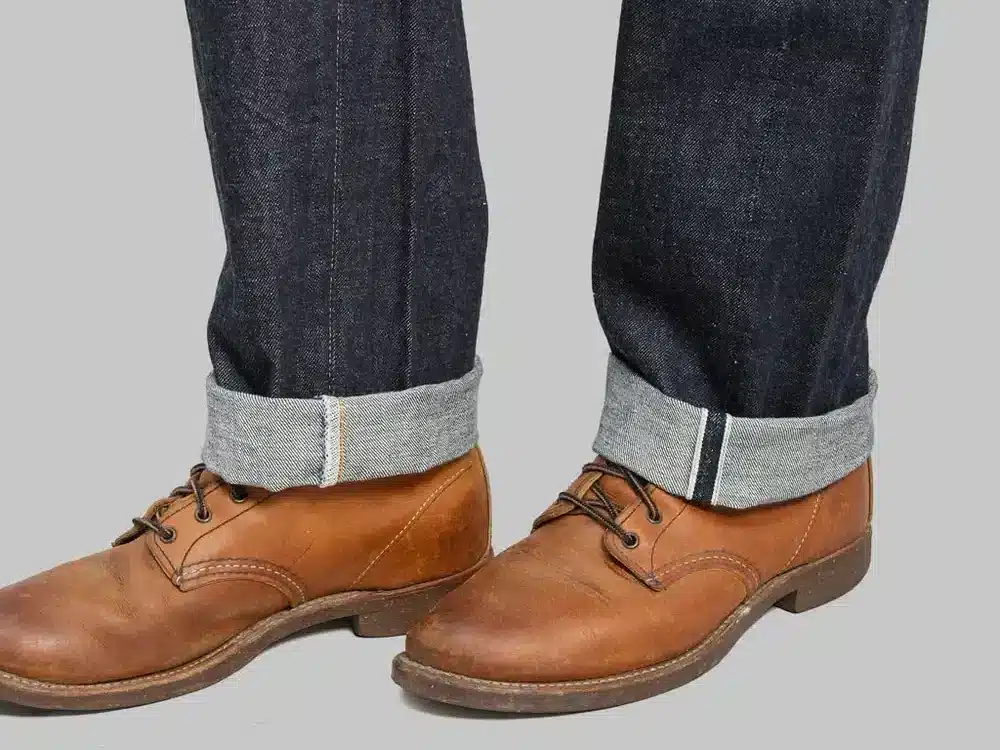
Omoto – 13.5 oz. Low-Tension Selvedge ($$$)
Low-tension selvedge woven from a blend of U.S. Memphis and Zimbabwe cotton on a custom-tuned 1950s Sakamoto loom, producing strong vertical texture and high-contrast fading.
Omoto Denim is sold at Redcast Heritage (US), Cultizm (DE), Franklin & Poe (US), Brooklyn Clothing Co. (CA), Hinoya (JP)
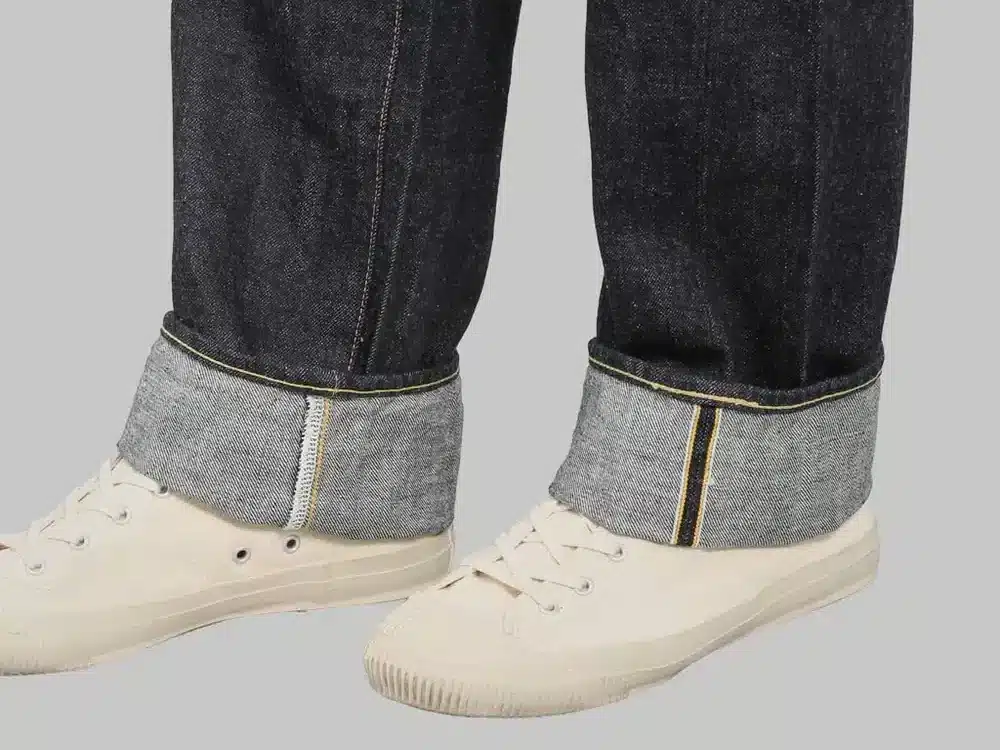
Pherrow’s – 13.5 oz. Selvedge ($$)
American and Australian cotton selvedge with a distinctive yellow-and-navy ID that wears lighter than the weight suggests, developing a soft, relaxed fade over time.
Pherrow’s is available at Redcast Heritage (ES), Cultizm (DE), and Clutch Café (UK)
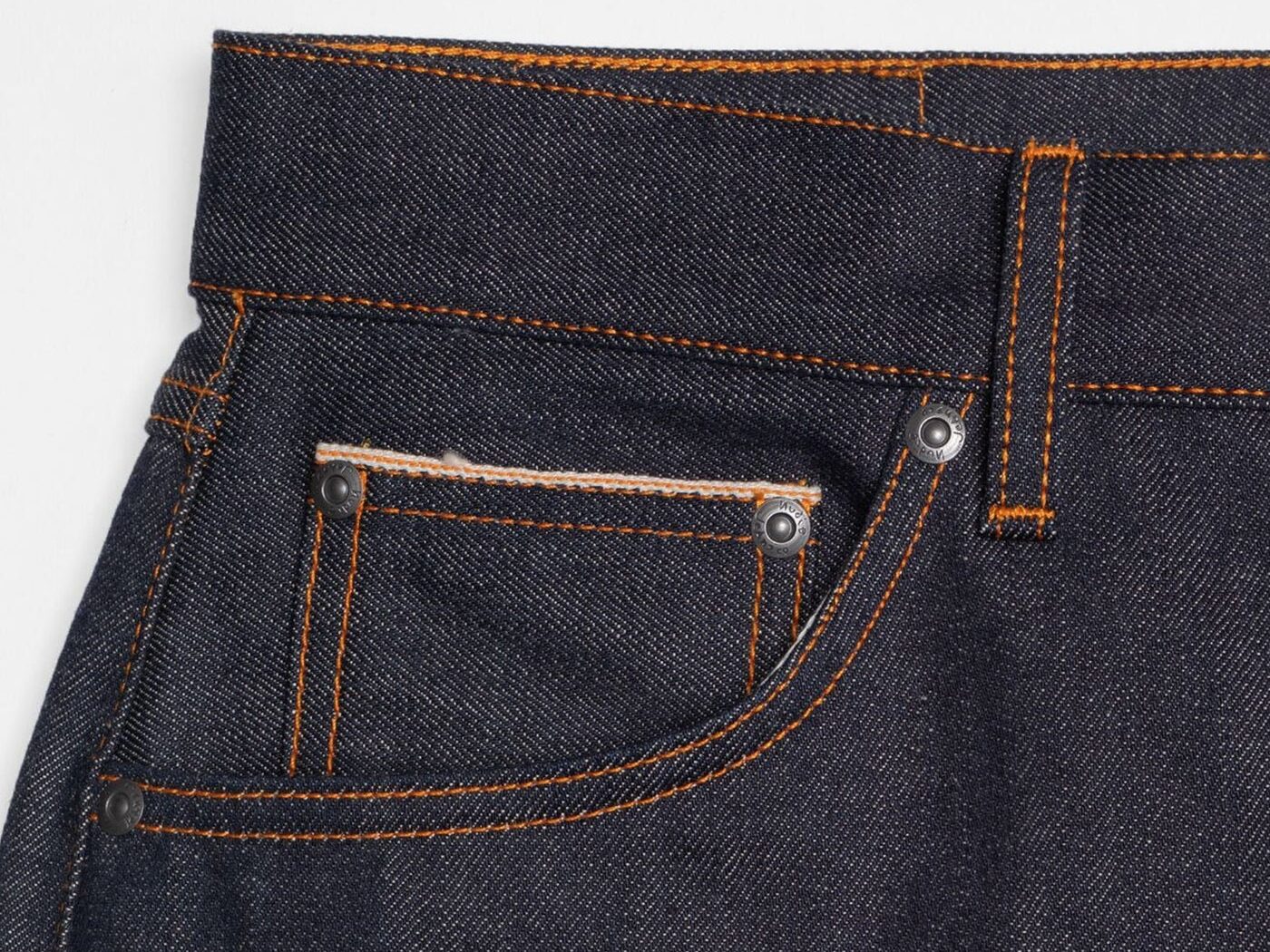
Nudie ($$)
Nudie has some selvedge options around 13 oz., with new versions introduced regularly. The original Kaihara Dry Selvage, which launched the brand in 2001, sits just below the 14 oz. mark, but it’s definitely not a lightweight denim.
Nudie is available at Cultizm (DE), Brooklyn Clothing Co. (CA), and Blue Beach Denim (TW).
Lightweight Denim FAQ
Here are the most common questions readers ask about lightweight denim—and my honest answers.
Does lightweight selvedge denim fade well?
Yes, but the fades tend to develop differently from heavier denim. Whiskers and honeycombs are usually softer and less sharply defined because lighter fabrics don’t lock in creases in the same way.
That said, weight alone doesn’t determine fades. Weave density and tension play a big role too—a loosely woven heavier denim can fade in a similarly soft, even way. Lightweight selvedge typically leans toward a more vintage-style fade pattern rather than high-contrast stacking, and that’s a characteristic rather than a limitation.
Can you wear raw denim in hot weather?
Yes. Lightweight denim makes a noticeable difference in comfort, especially in warm or humid climates. But fit matters just as much as weight—roomier cuts allow air to circulate and reduce heat build-up far more effectively than slim cuts in heavier fabrics.
That’s why you’ll often see people in hot climates combining lighter denim with more relaxed silhouettes rather than simply chasing lower ounce weights.
What’s the difference between lightweight selvedge and regular lightweight denim?
The key difference is how the fabric is made and how it ages over time. Selvedge denim is woven on shuttle looms, which produces a denser, more structured fabric with clearer long-term fade development.
Mass-market lightweight denim is typically woven on faster modern looms, producing a flatter, more uniform fabric that doesn’t evolve in the same way with wear. The weight can be similar, but the ageing process and character over time are fundamentally different.
For a deeper dive, read my selvedge denim explainer.
How long does lightweight raw denim last?
It depends more on wear conditions than weight alone. Tighter fits, frequent high-friction movement, and outdoor use will all reduce lifespan faster than occasional or low-abrasion wear.
Lightweight selvedge isn’t fragile in itself—it’s still properly constructed denim—but there is simply less material per square yard to absorb long-term stress. In well-balanced fits and normal use, it will last a long time.
For washing and care tips that will help your jeans last longer, read my denim washing guide.
What’s the lightest selvedge denim available?
Some Japanese mills and niche brands have produced fabrics down to around 6 oz., though most “ultra-light” selvedge sits in the 8–9 oz. range.
The more common lightweight category is 10–12 oz., which tends to balance breathability with enough structure for meaningful fades and long-term wear.
Is 12 oz. denim lightweight?
It sits right on the boundary. Rather than treating it as a strict cutoff, it’s more accurate to think of 12 oz. as the upper end of lightweight denim—still breathable and easy to wear, but with a bit more structure and presence than sub-12 oz. fabrics.
Find the Right Jeans for You
If you didn’t find exactly what you were looking for above, these guides might help you narrow things down further:
- Looking for heavier denims? → Heavyweight Denim Guide
- Looking for more about the brands? → Best Raw Denim Brands
- Trying to find out which fit to get? → Jeans Fit Guide
- New to all of this? → Beginner’s Guide to Raw Denim
Understand the Details That Matter
Hi, it’s Thomas, founder of Denimhunters. Every Friday, I send out my newsletter that goes deeper into denim—how jeans are made, why details matter, and how to make better choices without the noise.