The Fade Off Winners, KATO Teacore, Iron Heart Flannels and 33 oz. Selvedge
I spend a lot of time talking about jeans before they’re worn: the weight, the weave, the fit, the dye. But the part that interests me most happens afterwards.
Indigo wears away. Creases develop. The fabric softens, and those specifications begin to matter less than the life you’ve put into the jeans.
That’s why I organised The Fade Off for Denimhunters’ 15th anniversary. I didn’t want to make the celebration about me; I wanted to see the denim you’ve actually worn. And that idea—what happens after we buy our jeans—runs through almost everything in this issue.
The Colour Beneath KATO’s Indigo
Usually, the surprise in a well-worn pair is the pattern of the fades. With KATO’s teacore denim, it’s also the colour underneath: brown, where you’d normally expect a white cotton core.
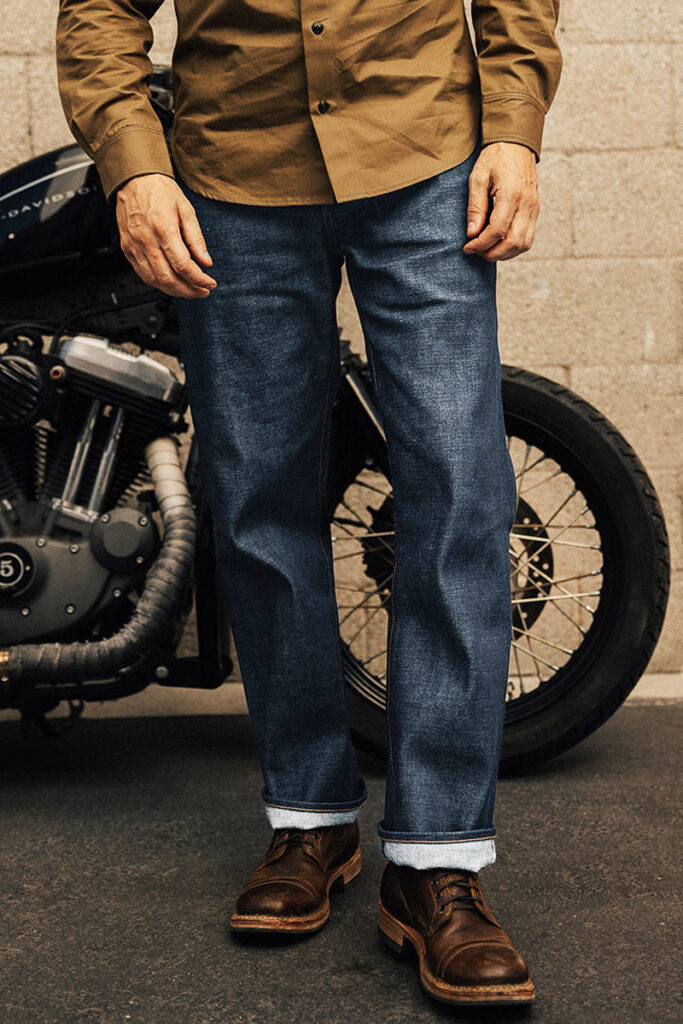
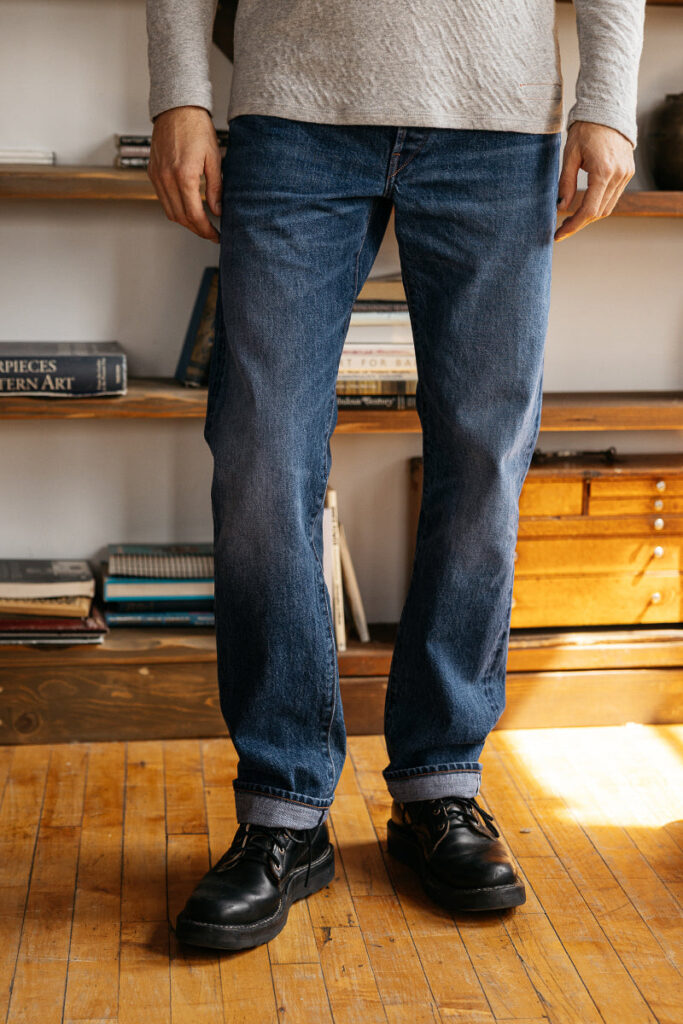
I took a closer look at the idea and the 14.5 oz. Japanese selvedge behind it in What’s Beneath the Indigo in KATO’s Teacore Denim. It’s an interesting change to one of the things we usually take for granted about how indigo wears away.
Why I Keep Coming Back to Iron Heart’s Flannels
My first two Iron Heart Ultra Heavy Flannels were second-hand finds back in 2018. I still wear them. After years of use, it’s the combination of substantial 12 oz. cotton and a soft, brushed finish that keeps me reaching for them.
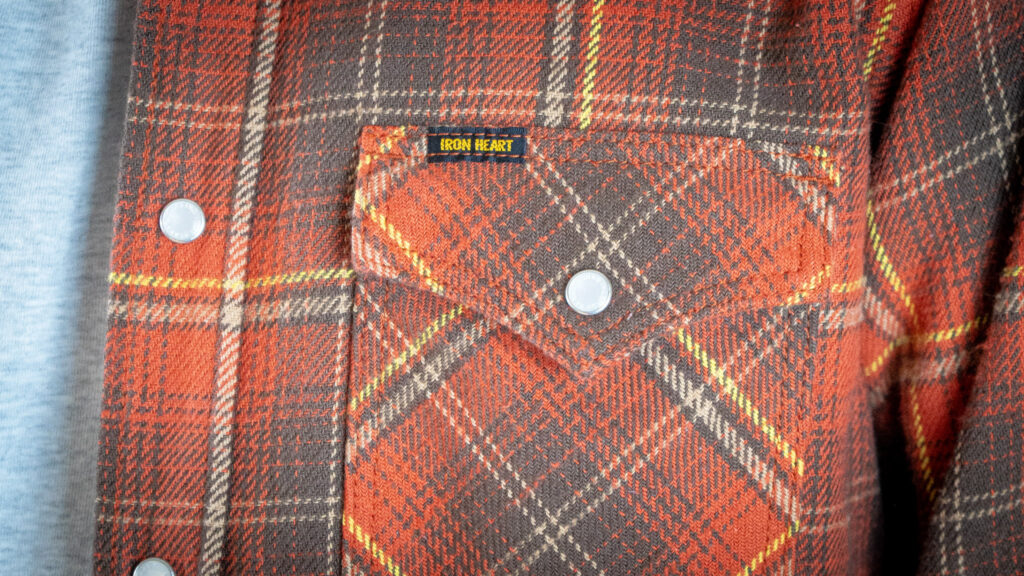

For my new feature on Iron Heart’s heavyweight flannels, I’ve looked at how the fabric is made, how my own shirts have aged and what separates the Western and work cuts. There are also the newer slubby and herringbone versions, which take the familiar idea in different directions.
Things Worth Your Attention
Five things I kept coming back to while The Fade Off was taking shape:
33 oz. indigo selvedge (SOSOBROTHERS) – The second batch of this extraordinary heavyweight denim is landing, and I’m at least as interested in the gallery of worn pairs as the weight on the label. I shared my first-hand impressions in this hands-on review.
20 years of Self Edge collaborations – The remastered 21 oz. Iron Heart jeans from its 2006 collaboration caught my eye first—188 numbered pairs—followed closely by the Sea Island cotton take on the Merz b. Schwanen 215 T-shirt.
Felted-wool Supply Jacket (Rogue Territory) – Japanese Melton wool and a faux-fur collar give this Los Angeles-made Supply Jacket an unexpected N1 deck jacket feel, which is what made me notice it.
Gift guides ready for the season – Bryan’s been updating the picks across three price brackets: under $150, $150–$400 and over $400, whether you’re shopping for somebody else or quietly making your own list.
60XX denim (ONI) – The 12 oz. selvedge takes its cues from the slightly lighter, irregular denim of the 1960s, with Redcast offering it in the wide 900HM and the more regular 270.
The Fade Off Winners and Their Stories
More than 150 entries came in for The Fade Off, and the community cast over 2,600 votes. After the final checks, we had seven online winners: three clear top places and four people tied for fourth. Considering how quickly I put this together, I’m grateful for the response.
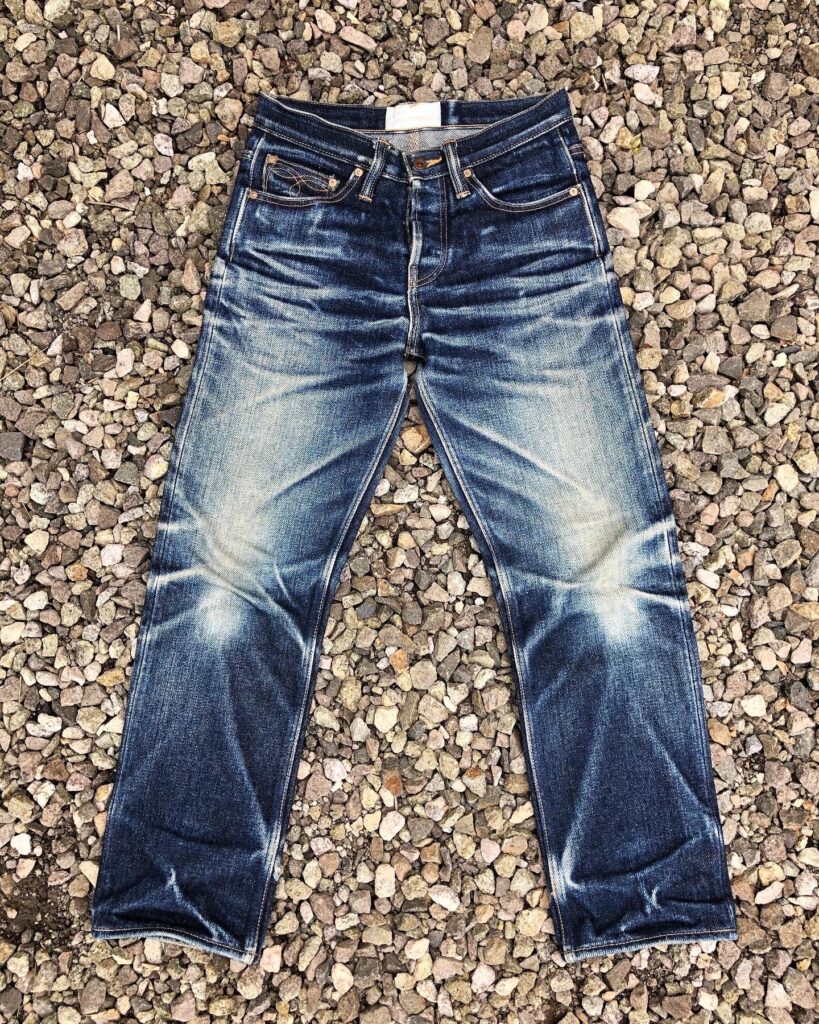
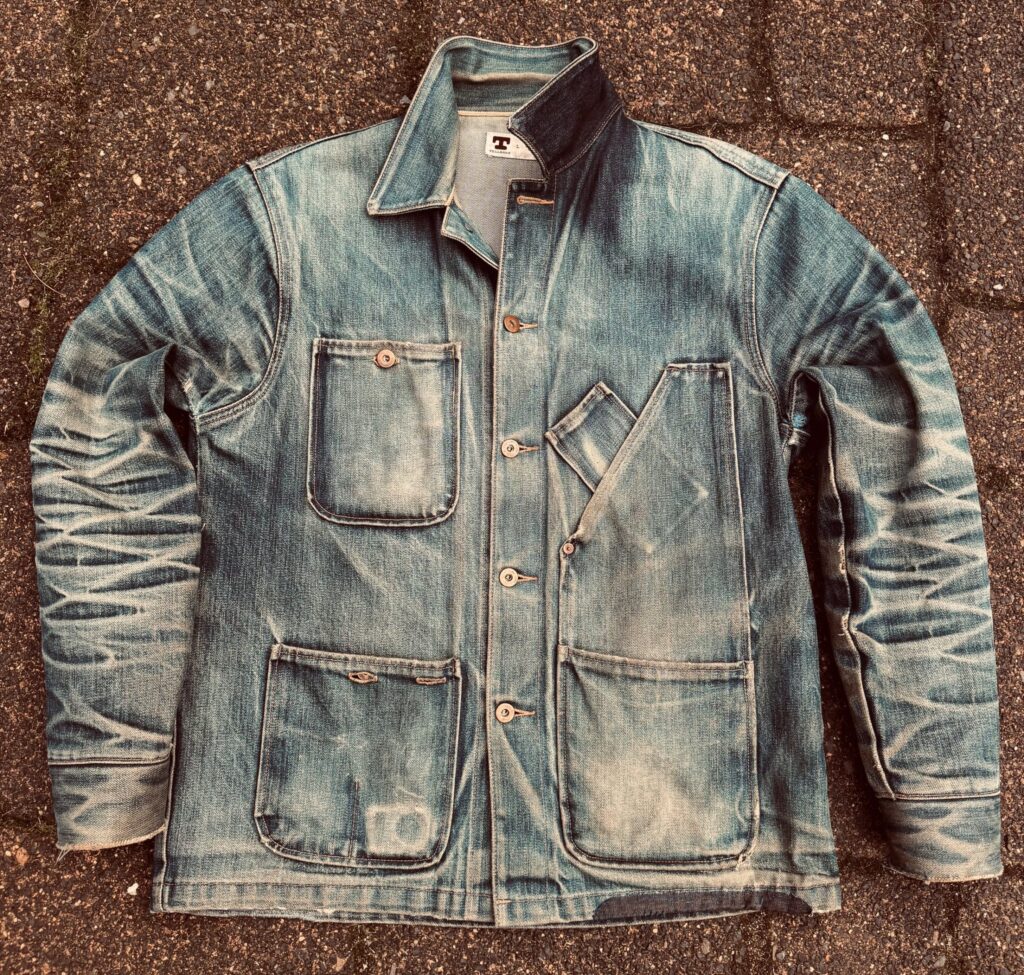
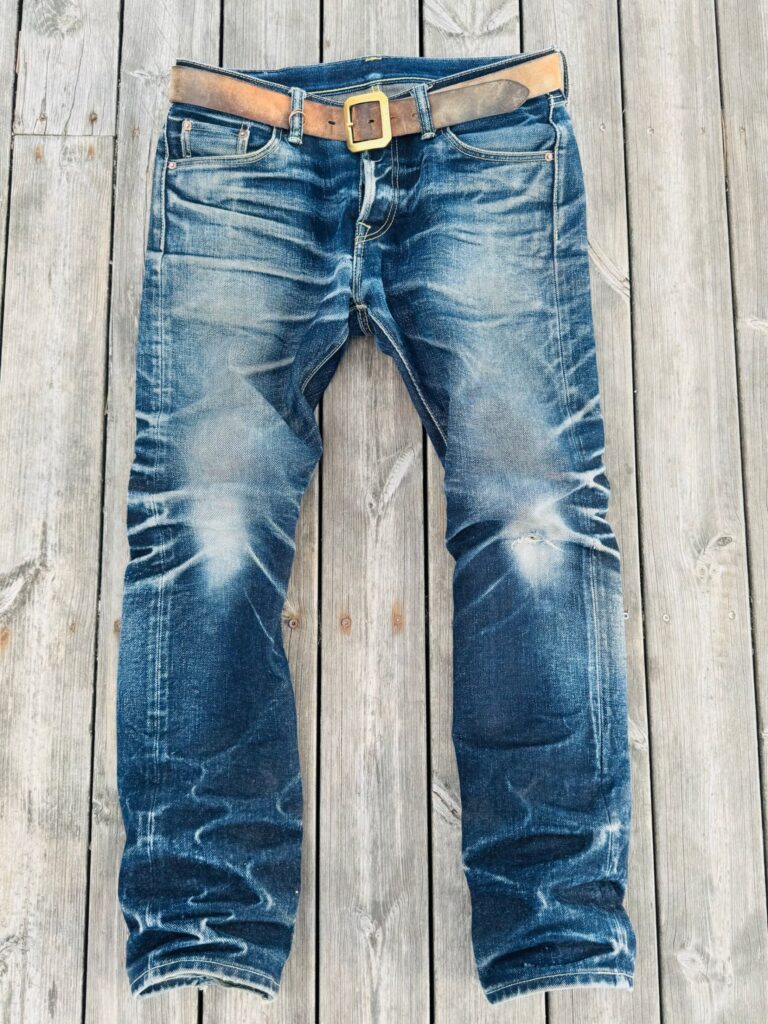
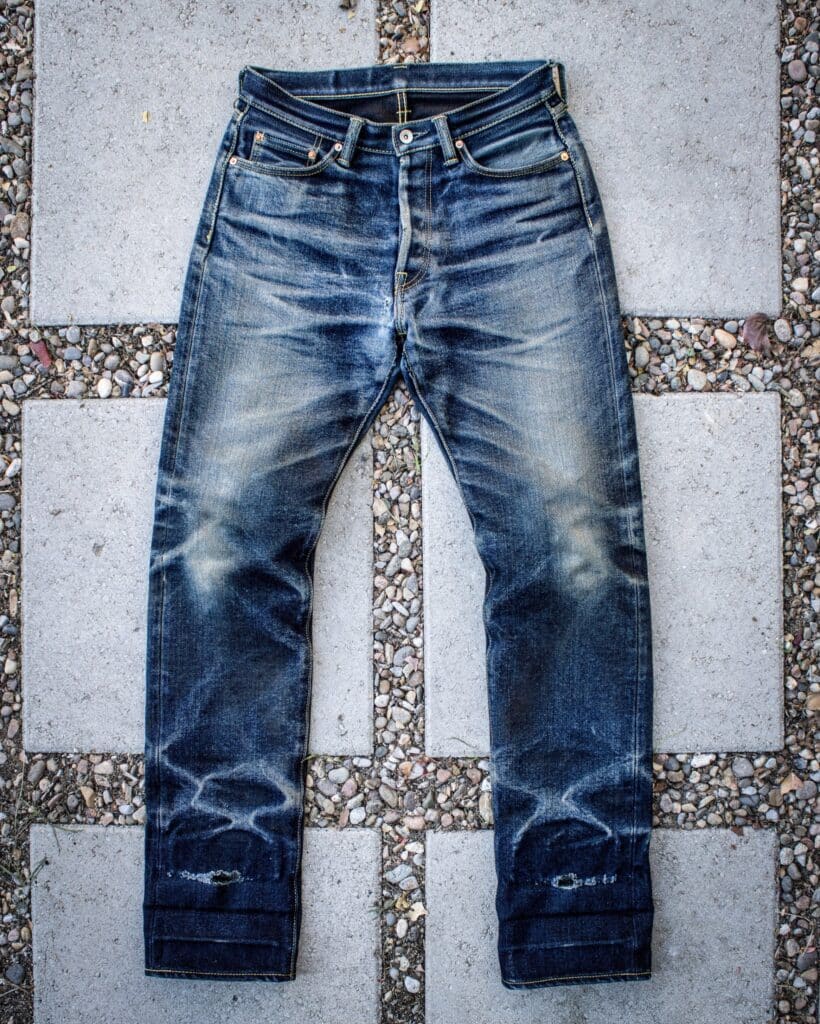
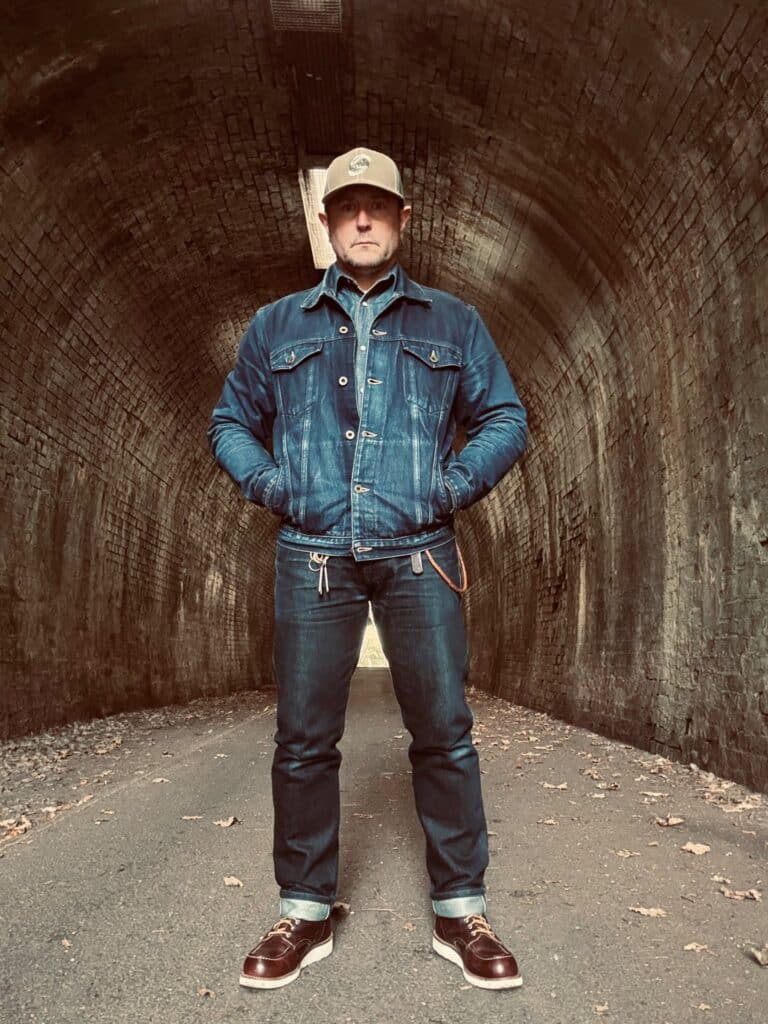
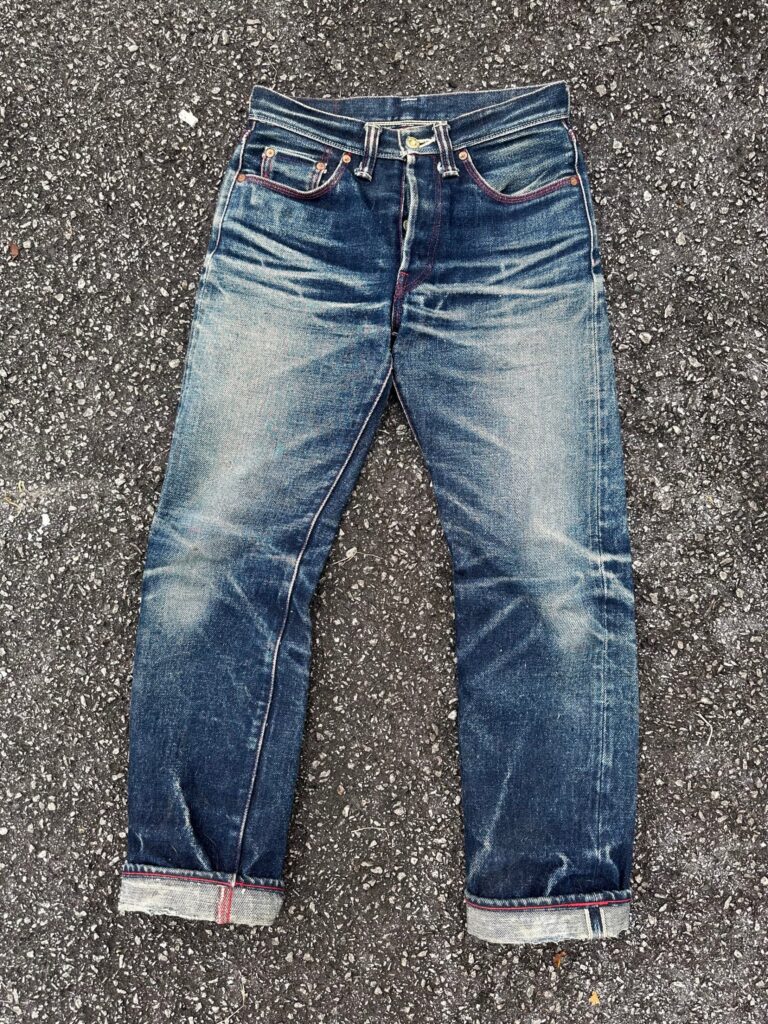
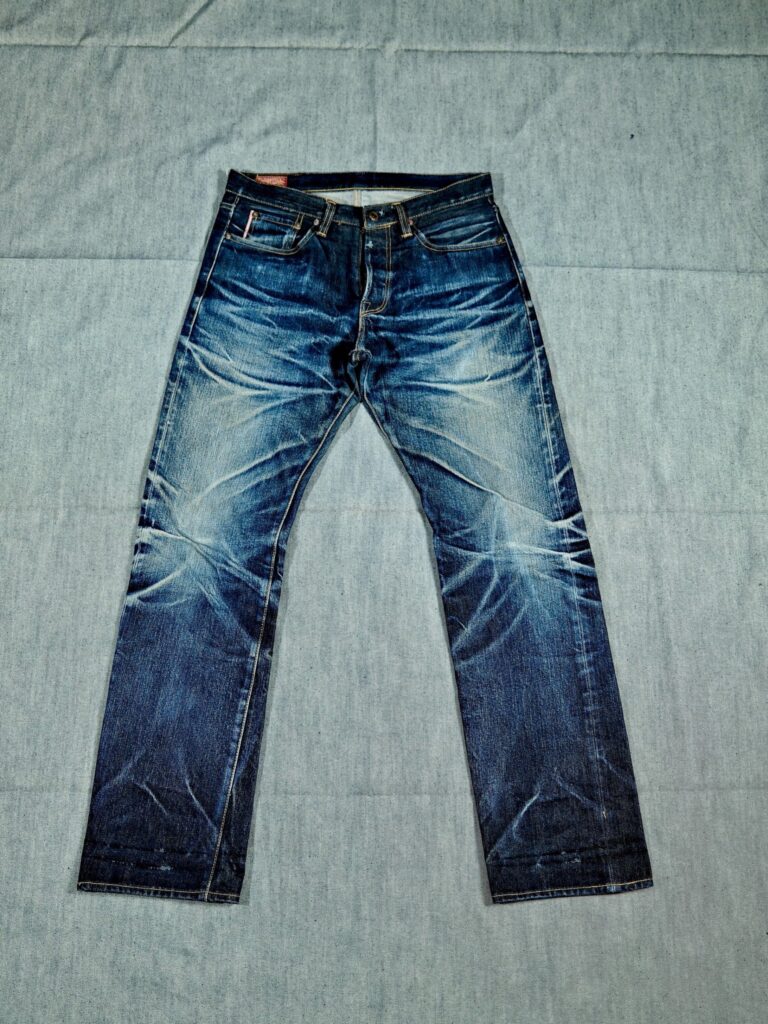
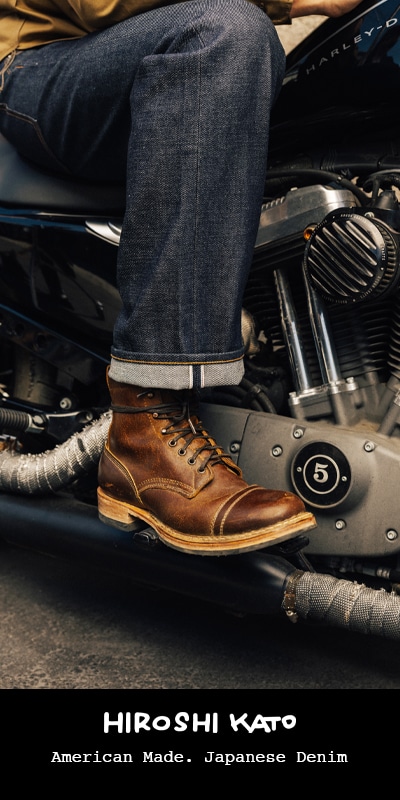
You can see the seven winning garments and read their stories in The Fade Off winners article. One pair survived a year of motorcycle commutes and long working days; one jacket has been through mountains and moshpits. I’ve also explained the voting checks and why two entries had to be excluded.
At Brund, Peter and I had another problem: we couldn’t agree on three winners from the in-store Fade Off, so we picked four equal winners. The shop was packed, the mood was brilliant and even Danish media turned up. So much for keeping the anniversary low-key.
From the Archive: Why Denim Fades
Put two people in the same pair of raw jeans, and they’ll end up with different fades. Creases behind the knees, fading across the thighs, worn pocket edges—every mark tells you something about how those jeans have been worn. That’s what makes a good pair of fades interesting to me. They’re personal.
To understand why denim does this, start with indigo. People have been dyeing textiles blue for thousands of years. Once a rare, expensive colour extracted from plants, indigo became far more accessible when synthetic production arrived in the late nineteenth century.
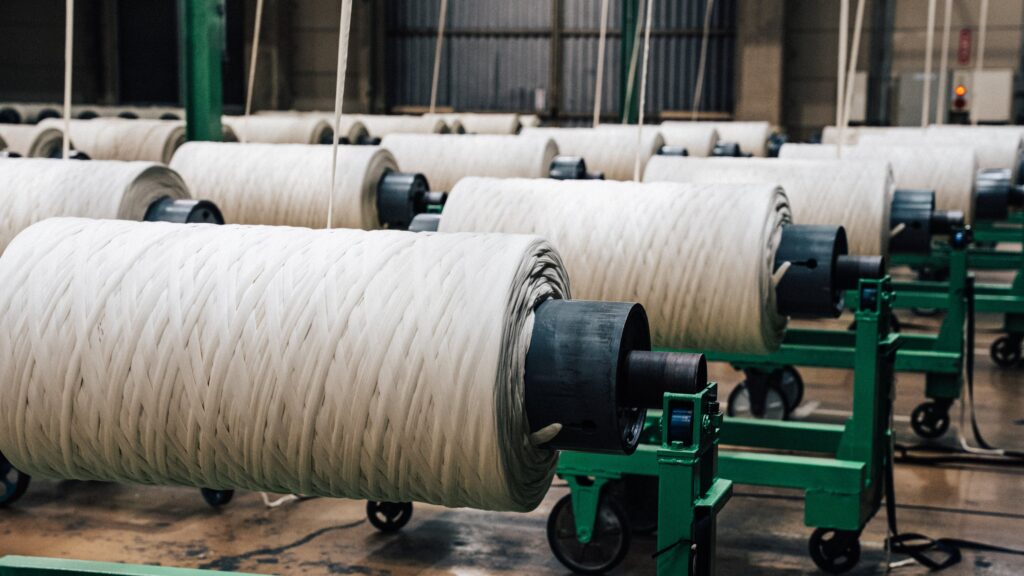
The interesting part is how that colour gets onto the yarn. Indigo is dissolved in a dye vat, then turns blue as the yarn meets oxygen in the air. The dye stays largely on the surface of the cotton yarn rather than permeating to the centre. This is called ring dyeing. As friction and washing remove that outer layer of indigo, the lighter core begins to show through.
Where the colour disappears depends on the fabric, the fit and the person wearing it. Some denims hold their colour longer; others develop pronounced contrasts quickly. The same fabric can look completely different after a year on two different people.
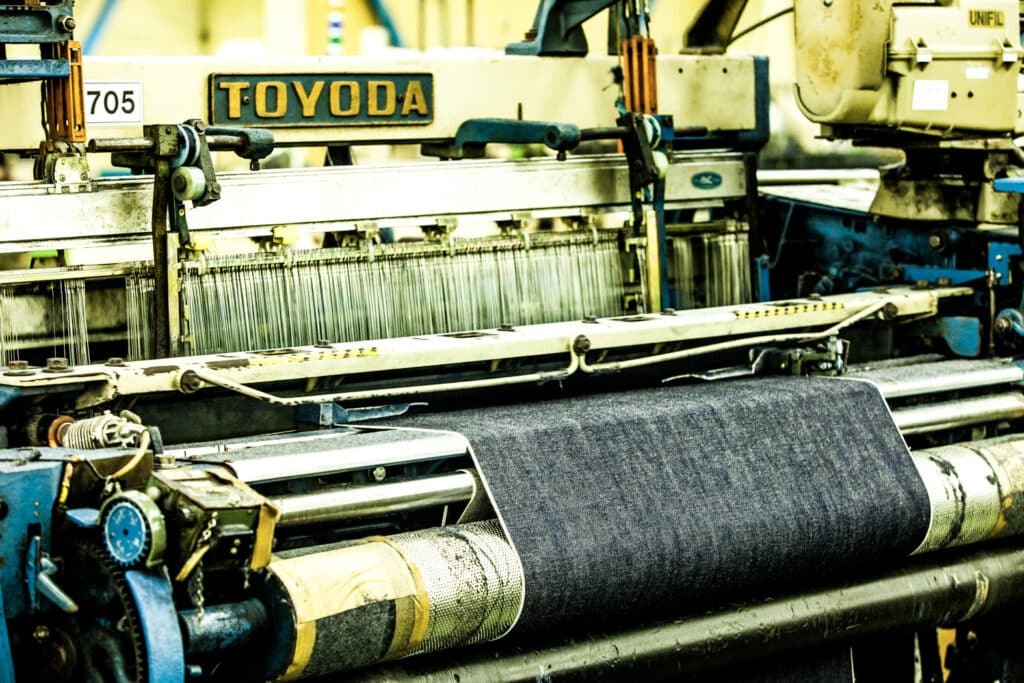
There’s no single recipe for good fades. The way you wear your jeans shapes the creases. Washing changes the colour over time, and repairs become part of the story. That’s what The Fade Off is about: seeing how different lives leave different marks on denim.
For more on the yarn and dyeing, visit my archive guide to why denim fades.
Share